Handover Is Not the Finish Line
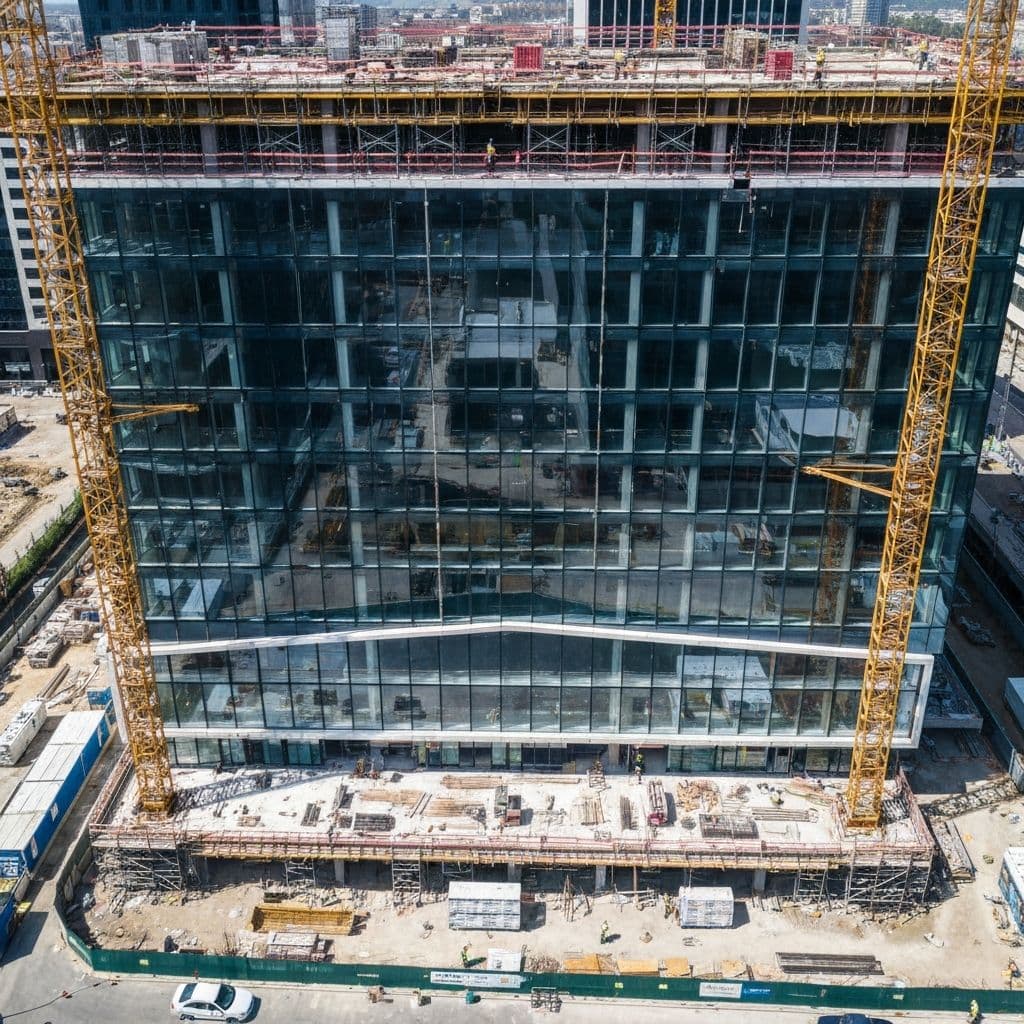
Most capital project organizations are built to end at substantial completion. The design team demobilizes, the contractor moves to the next job, the project executive presents a closing report, and the building is handed to a facilities team that had little voice in how it was designed or delivered. The ribbon is cut. The project, institutionally speaking, is over.
The building disagrees. From the building's perspective, substantial completion is day one. Everything the owner will actually experience — comfort, reliability, energy cost, maintenance burden, occupant satisfaction — happens after the project team goes home. And the trajectory of that experience is set disproportionately in the first twelve months of occupancy, when warranties are live, systems are still adjustable, and the operating culture of the building is being formed.
Owners routinely spend years and enormous management attention getting a project designed and built, then treat the first year of operation as an afterthought. In our experience, this is where more value is won or lost than in any comparable period of the project lifecycle. A capital project does not pay off at ribbon-cutting. It pays off — or fails to — in operation.
The Warranty Window Closes Quickly
Nearly every system and assembly in a new building carries a warranty, and most of those warranties expire around the one-year mark. That makes the first year the only period in which the owner can compel correction of defects at the responsible party's expense rather than the owner's.
Capturing that value requires deliberate effort. Warranty enforcement does not happen automatically; it happens when someone is systematically documenting deficiencies, distinguishing warranty defects from maintenance items, notifying the correct party in the correct form within the correct timeframe, and tracking each claim to resolution. When no one owns that process, small defects go unreported until the warranty lapses, and the owner pays out of the operating budget for failures the contract already covered.
The most consequential discipline is the eleven-month warranty walkthrough — a comprehensive inspection of the building conducted before the general warranty expires, with the explicit purpose of surfacing every latent defect while claims are still enforceable. Owners who conduct this review with rigor routinely recover meaningful value. Owners who skip it convert contractor obligations into decades of owner expense.
Systems Rarely Perform as Designed on Day One
A new building's mechanical, electrical, and control systems are commissioned against a snapshot: specific test conditions, assumed occupancy, and a building that has not yet lived through a full cycle of seasons. Real occupancy is different. Loads shift, schedules change, spaces get used in ways the design assumed differently, and control sequences that passed functional testing behave unexpectedly under actual conditions.
This is why the first year should be treated as a tuning period, not a steady state. Seasonal commissioning — verifying heating performance in the first winter and cooling performance in the first summer — catches problems that no amount of pre-occupancy testing can. Trend data from the building automation system should be reviewed against design intent, not just against the absence of complaints. Setpoints, schedules, and sequences should be adjusted deliberately, with documentation, rather than drifting through ad hoc overrides.
The alternative is the pattern facilities professionals know well: operators respond to comfort complaints by locking out economizers, overriding schedules, and running systems in manual — fixes that quiet the phone but quietly abandon the energy performance and equipment longevity the owner paid for. Once those overrides harden into standard practice, the building never returns to design intent. Technology integration and project transition planning exists precisely to prevent that drift by carrying design knowledge across the handover boundary.
Building Staff Capability Before Habits Harden
The people who will operate the building for the next thirty years usually meet it in its final weeks of construction, through a handful of contractor-led training sessions delivered while the team is still consumed by move-in logistics. That is not capability building. That is a formality.
Real operational capability develops in the first year, and it develops in whatever direction the first year pushes it. If staff learn the building through documented procedures, structured troubleshooting, and access to the design team's intent, they build durable competence. If they learn it through trial and error under pressure, they build workarounds — and workarounds, repeated, become the building's real operating manual.
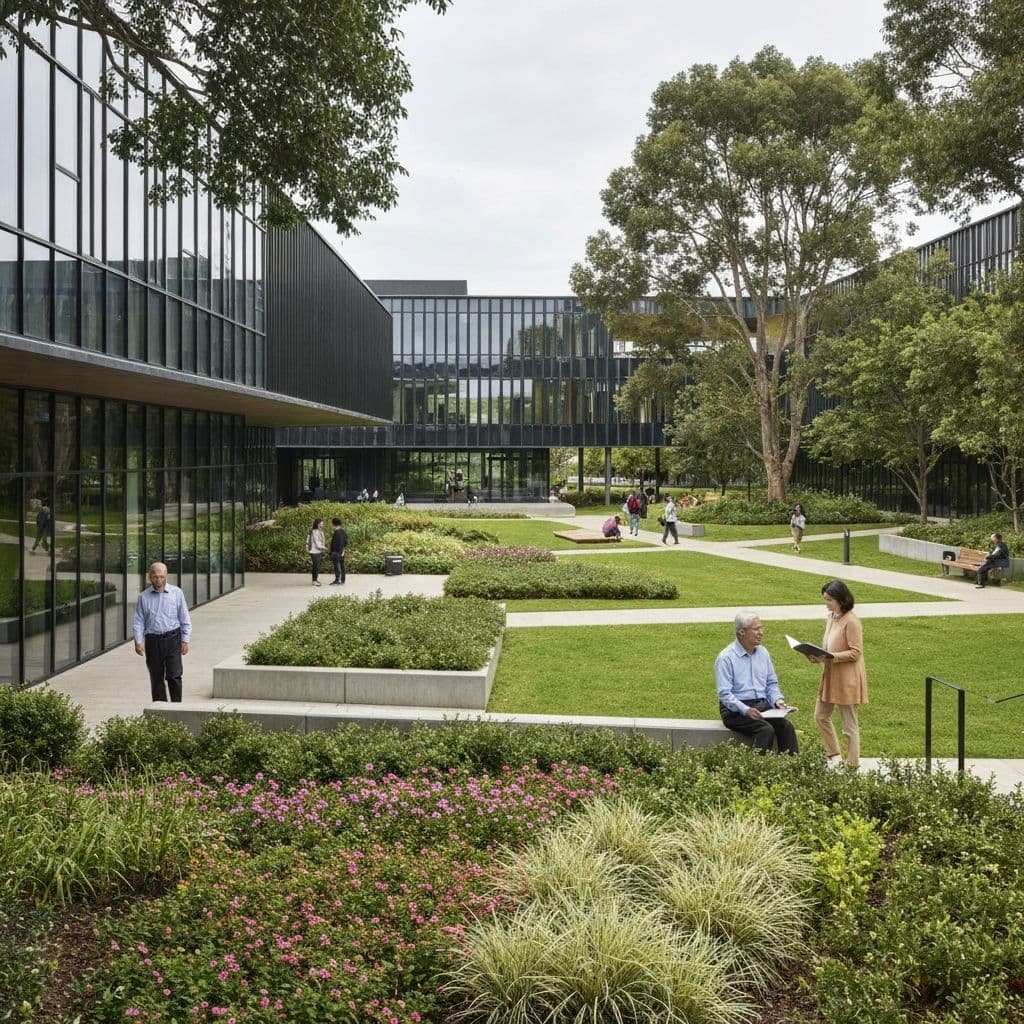
Owners should plan the first year as a capability program: supplemental training scheduled after move-in chaos subsides, vendor sessions recorded and indexed, preventive maintenance programs loaded into the work order system before the backlog begins, and clear escalation paths for problems that exceed in-house expertise. For universities and research institutions, where a new facility often introduces systems the existing staff has never operated, this investment determines whether the institution actually owns its building or merely occupies it.
The First-Year Baseline Sets the Cost Trajectory
The first year also produces the numbers against which the building will be judged for the rest of its life: energy consumption, staffing levels, service contract costs, and maintenance spend. Whatever those numbers are at the end of year one tends to become the budget assumption for year two, and the precedent for every year after.
That makes benchmarking a first-year obligation, not a future refinement. Utility consumption should be compared against the design energy model, and significant variances investigated rather than absorbed. Service contracts inherited from the construction period should be rebid or renegotiated on operational terms. Staffing models should be tested against actual workload rather than carried forward from assumption. An owner who establishes an accurate, defensible cost baseline in year one has a management tool for decades. An owner who lets the first year's improvised spending become the baseline has institutionalized inefficiency.
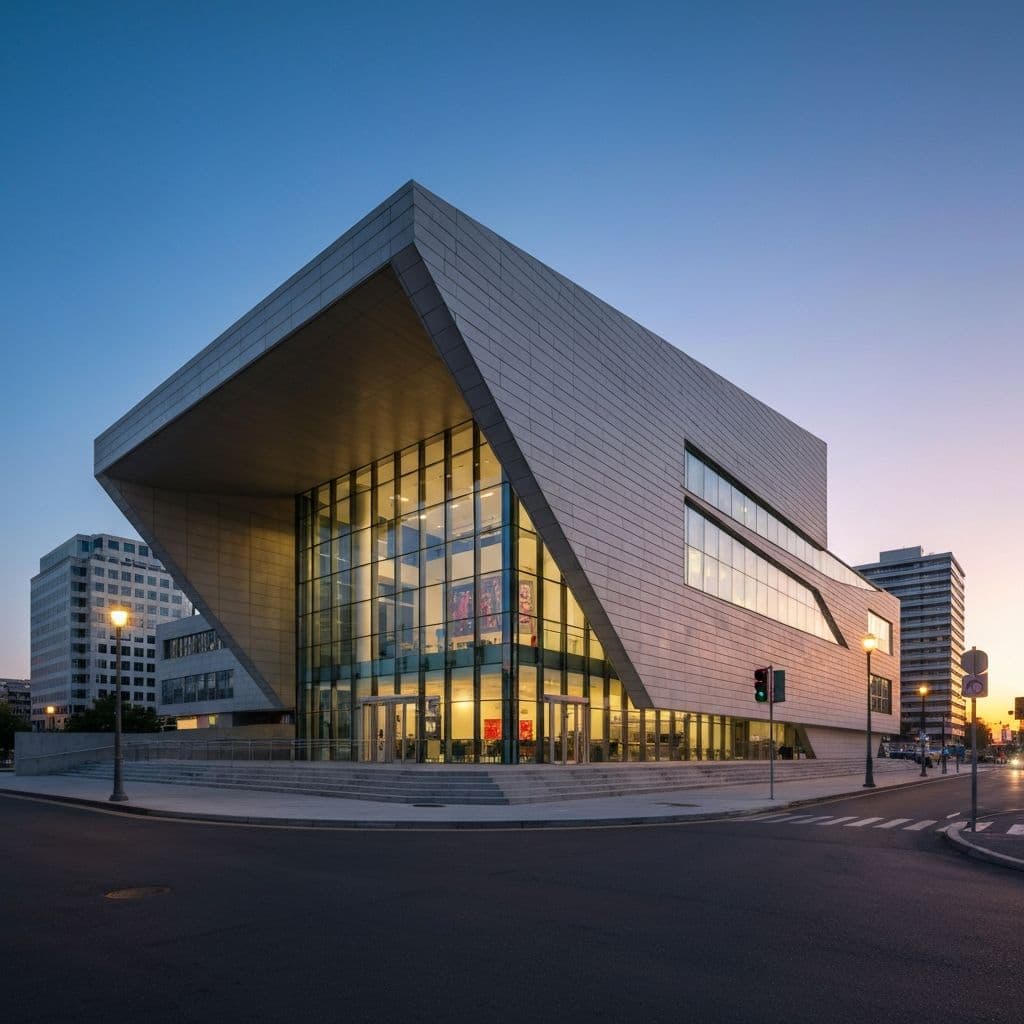
This matters acutely for cultural institutions, where operating budgets are tight, boards scrutinize recurring costs, and a building that runs expensively erodes the mission it was built to serve. A project like the Museum of the Bible illustrates the stakes: a technically complex, highly programmed building whose long-term success depends on operations that match the sophistication of its construction.
Why Owners Disengage at Exactly the Wrong Moment
The pattern is structural, not careless. The capital project team's mandate, funding, and incentives all terminate at closeout. The facilities team's budget begins at occupancy but rarely includes resources for warranty administration, seasonal commissioning, or benchmarking — activities that belong to neither the project nor routine operations, and therefore to no one.
Design and construction parties will not fill this gap, because the first year is when their remaining obligations cost them money. The contractor's interest is in warranty claims not being found. The designer's interest is in performance shortfalls not being measured. None of this requires bad faith; it is simply how the incentives run. The only party whose interest is served by rigorous first-year management is the owner — which means the owner must staff it, either internally or through independent owner-side support.
Staying Engaged Through the Year That Decides
The case for keeping owner-side advisory engaged after closeout is the same case that justified it during construction: someone must hold the owner's interest against parties whose incentives point elsewhere, and someone must carry knowledge across organizational boundaries that the owner's own structure does not bridge.
For owners approaching occupancy of a new facility, the practical step is to plan the first year before it starts — a defined program covering warranty administration, seasonal commissioning, staff development, and cost benchmarking, with named ownership of each. Operations advisory support gives owners an independent partner through that year, one whose only incentive is that the building performs the way the capital investment promised. The project does not end at handover. Managed well, that is when it starts paying off.