
Loading...
Loading...
Practical perspectives on project leadership and capital project delivery

Cultural institutions face unique capital planning challenges that demand specialized project leadership, from balancing preservation with modernization to navigating complex stakeholder landscapes.

Capital projects involve hundreds of decisions that directly impact cost, quality, and schedule. Dedicated owner's representation ensures institutional interests stay protected throughout delivery.

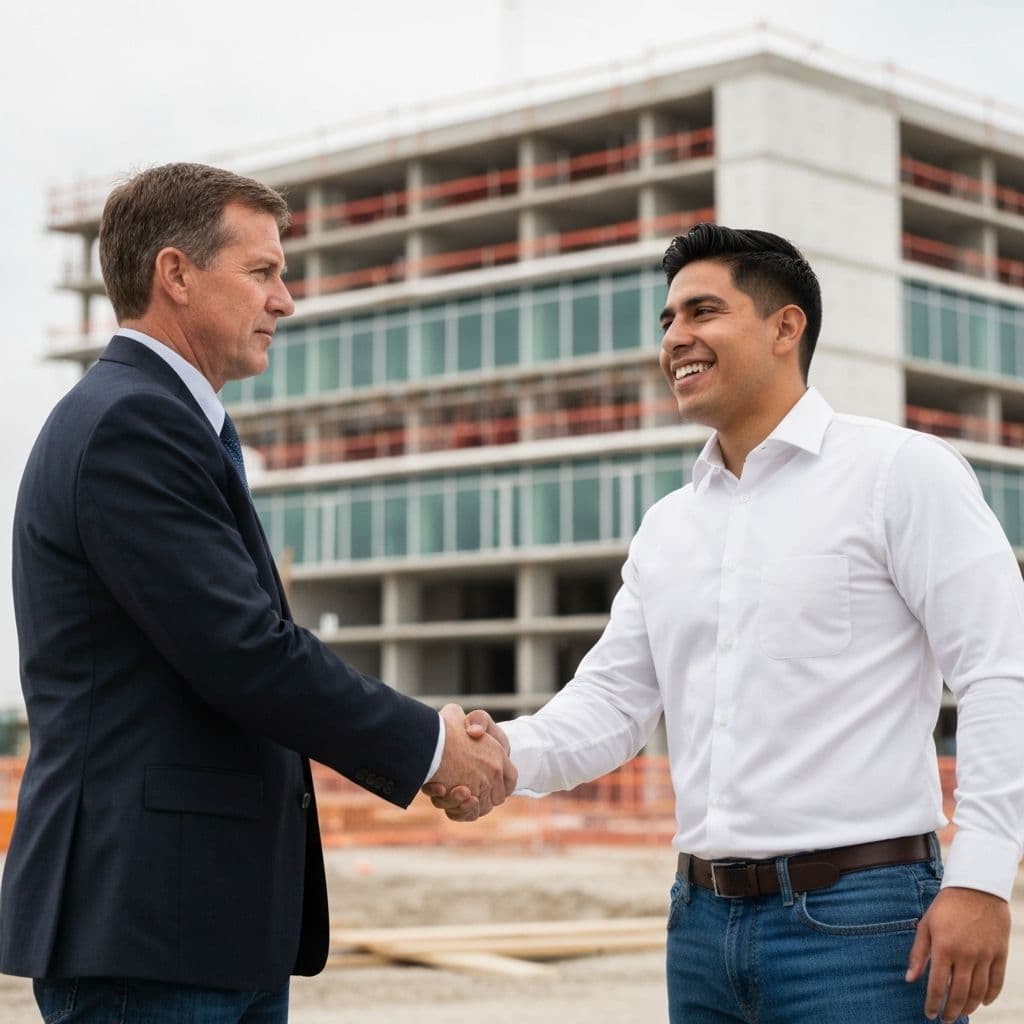
Owner representation is widely misunderstood. It is not project management by another name — it is a fundamentally different approach to protecting institutional interests during capital project delivery.

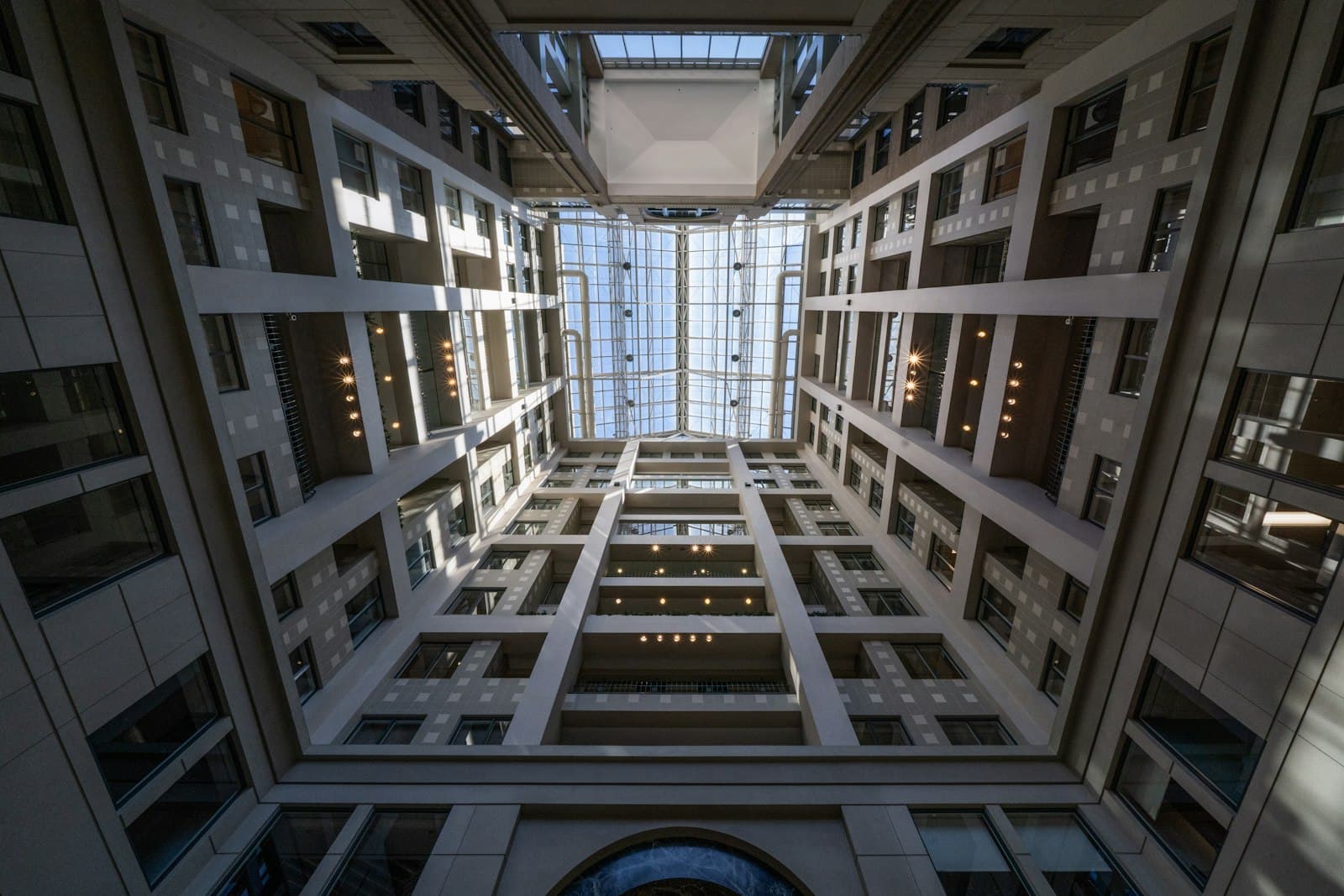
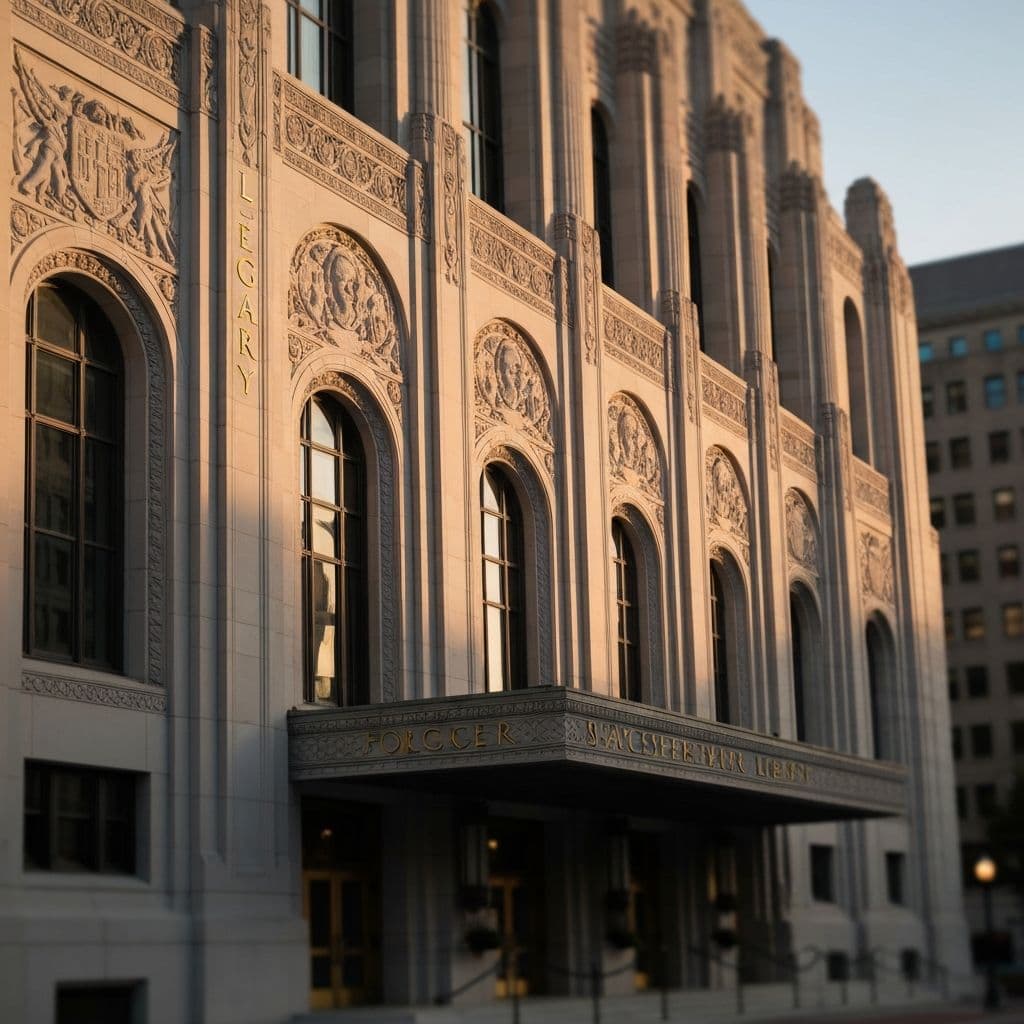
Historic preservation requirements add complexity to every renovation decision. Understanding how to navigate these requirements is essential for delivering projects that honor the past while serving the future.

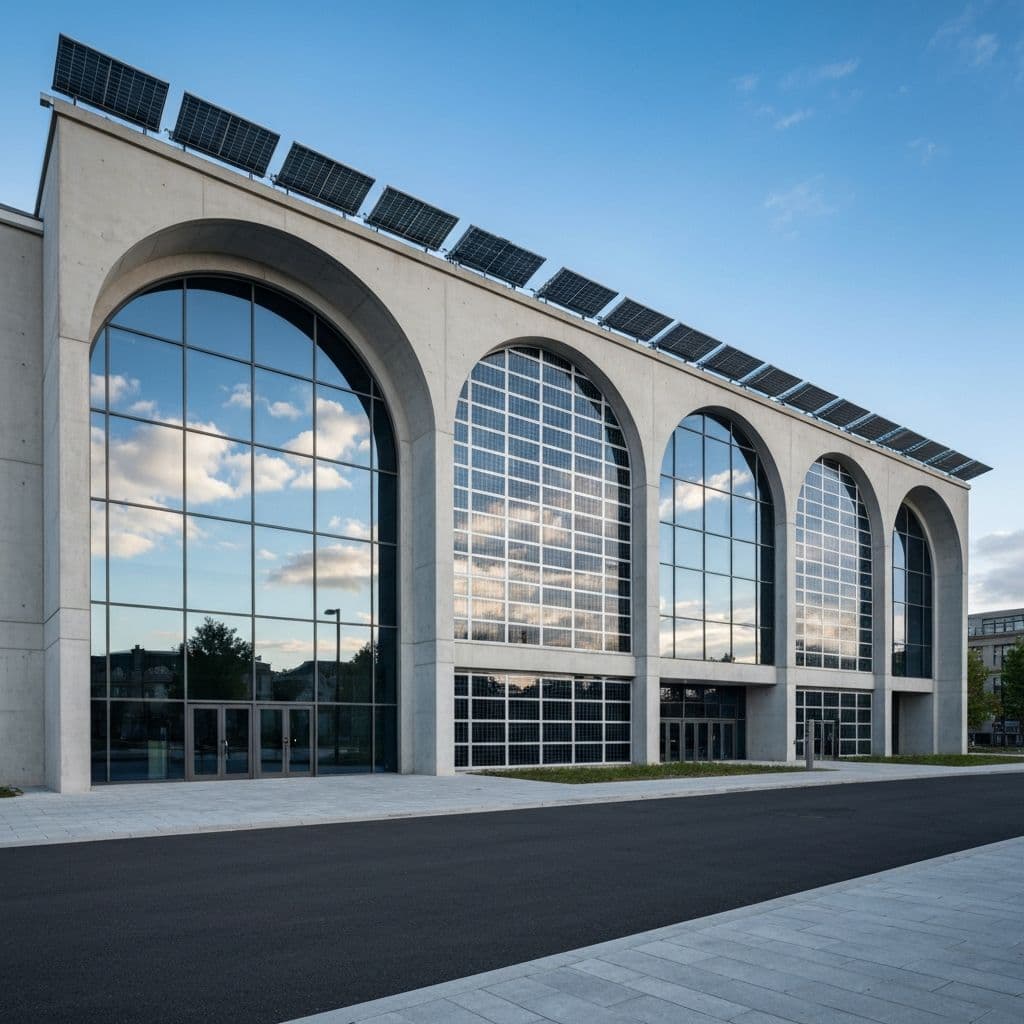
Adaptive reuse projects demand a different kind of project leadership — one that respects historic character while delivering modern performance and code compliance.

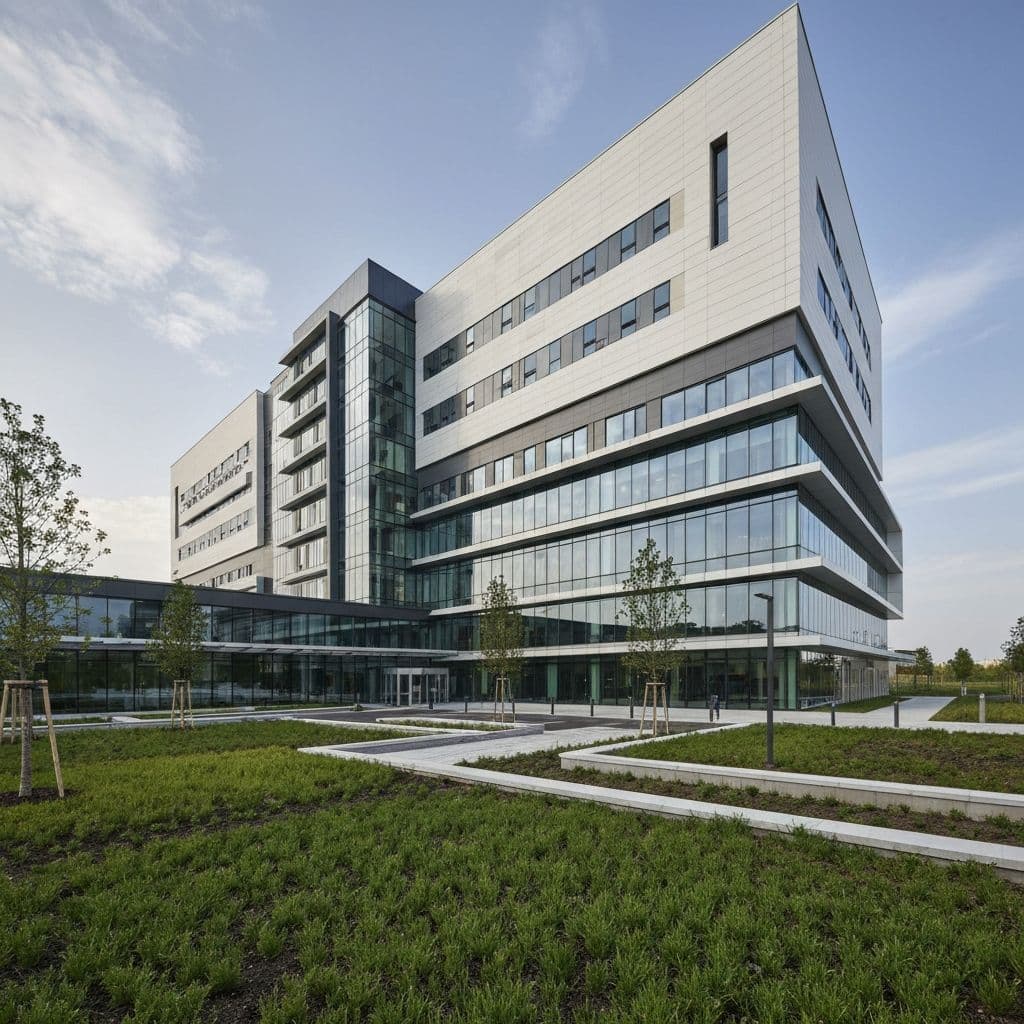
Large institutional construction projects carry risks that are fundamentally different from commercial development. Understanding these risks — and managing them proactively — is the difference between project success and costly failure.

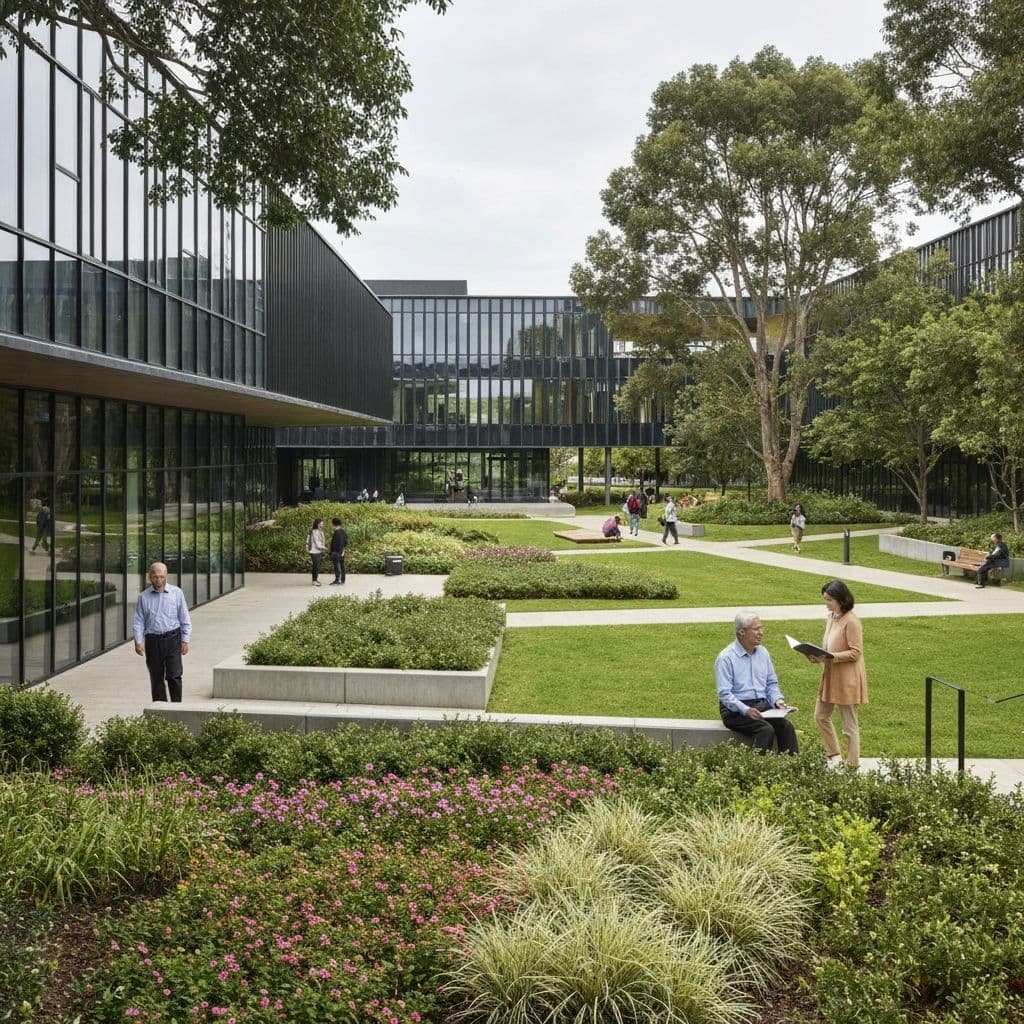
University construction projects operate within a uniquely complex environment of academic governance, donor expectations, campus continuity, and regulatory oversight. Delivering them well requires specialized project leadership.

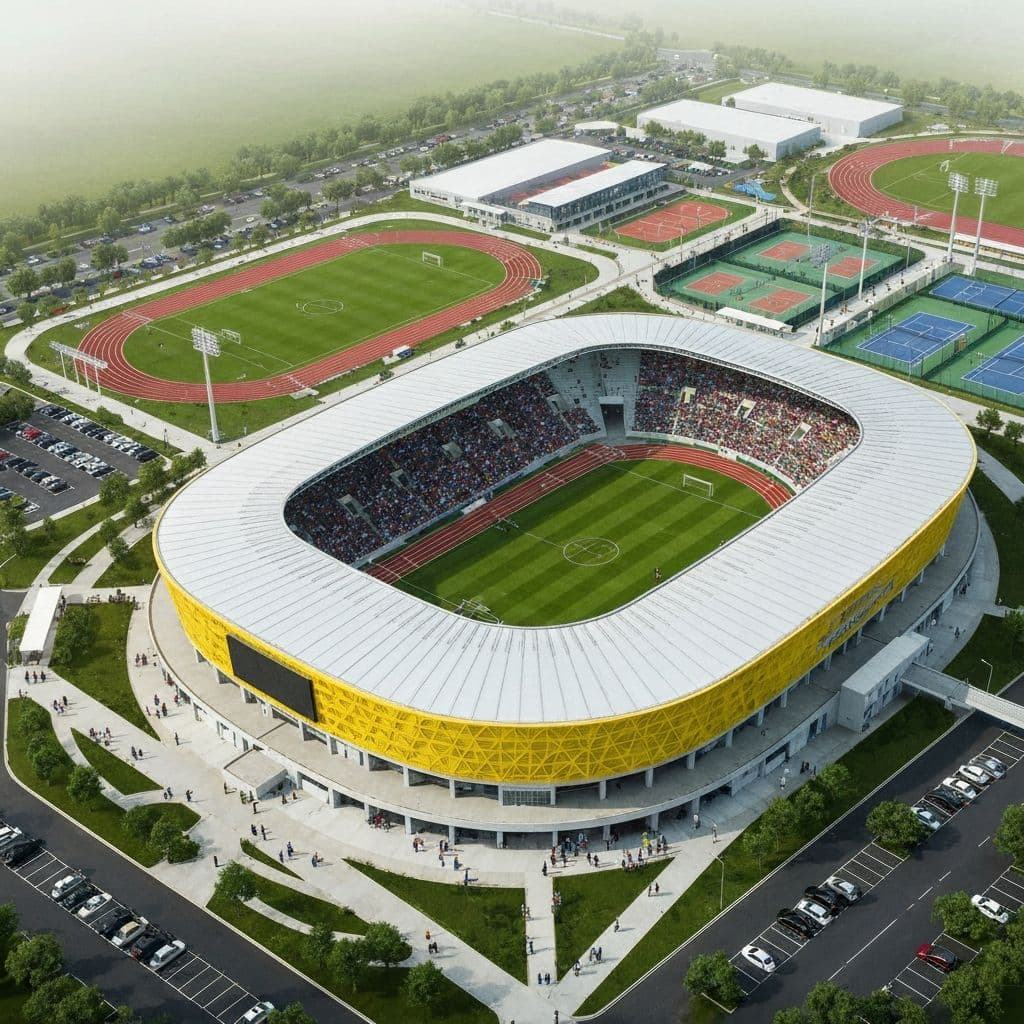
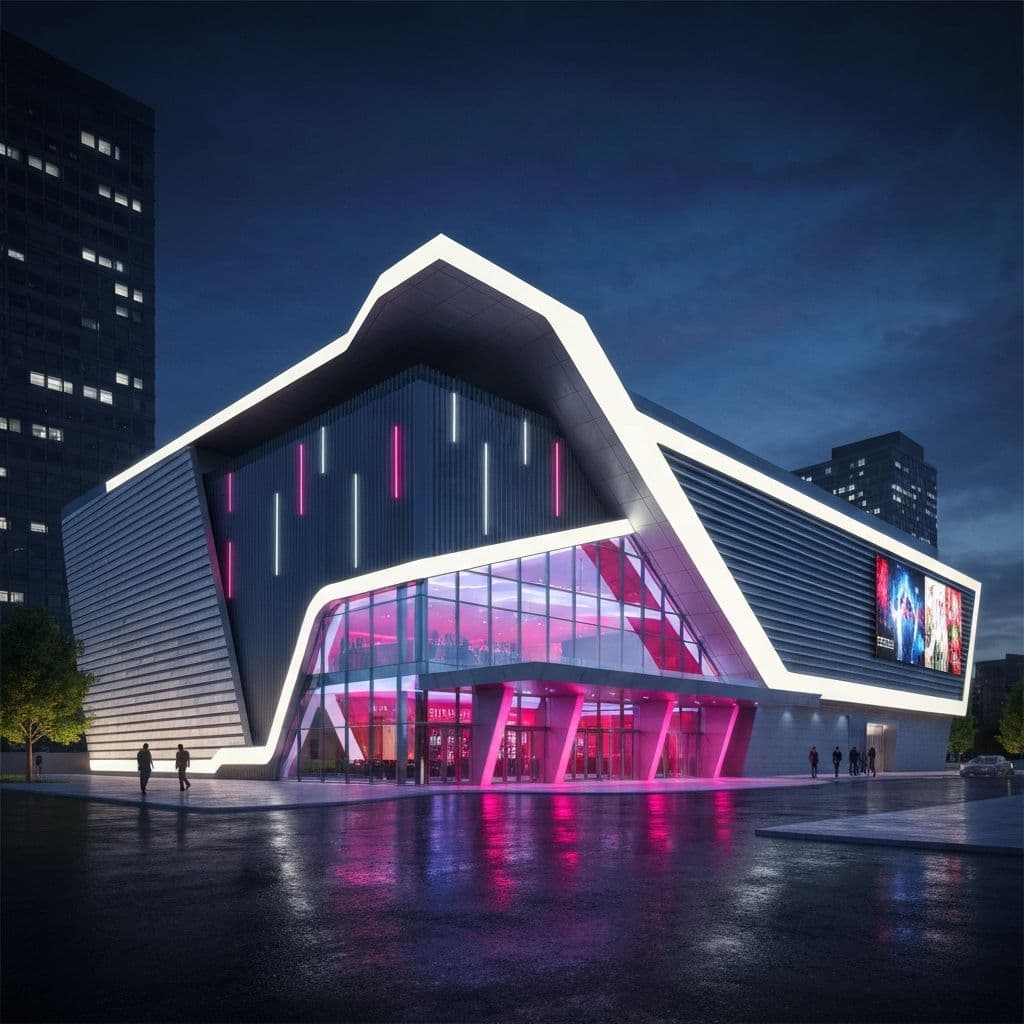
Mixed-use developments combine multiple building types, user groups, and delivery timelines into a single project. Success demands integrated planning and experienced project coordination from day one.

Mixed-use developments require coordinating hospitality, retail, residential, and entertainment components within a single cohesive vision. The coordination challenge is the project.

Museum renovations appear straightforward on the surface but conceal layers of complexity that can overwhelm unprepared project teams. Understanding these hidden challenges is essential for successful delivery.

Renovating or expanding a facility while it remains operational introduces constraints that fundamentally change how a project must be planned, sequenced, and managed.

Complex construction projects fail more often from stakeholder misalignment than from technical problems. Effective coordination across diverse stakeholder groups is a discipline that must be planned and managed, not left to chance.

Cultural institutions cannot afford to approach capital planning the way commercial developers do. A strategic framework tailored to mission-driven organizations produces better outcomes and protects institutional resources.

The most valuable insights in construction come not from textbooks but from the hard-won experience of delivering complex projects. These lessons, drawn from years of institutional project leadership, apply across sectors and scales.

Owner-side project leadership is not about adding another layer of management. It is about ensuring that every project decision — from planning through occupancy — is made with the owner's long-term interests as the primary consideration.
Landmark Logix provides experienced owner-side leadership for complex capital projects. Let's discuss how we can support your goals.
Discuss Your Project