
The Short Answer
A project manager coordinates the execution of a defined scope — schedules, meetings, deliverables, budgets. An owner's representative does that and more, with a defining difference: the owner's rep is engaged solely to advance the owner's interests across the full life of the investment, from before the project is defined until after the building is operating.
"Project manager" describes a function. "Owner's representative" describes a fiduciary posture. Understanding that distinction tells you which one your project is missing.
Everyone on the Project Has a Project Manager
On any institutional project, the title "project manager" appears on several business cards at once:
- The architect's PM manages the design team's scope, fee, and deliverables — for the architect.
- The contractor's PM manages construction production and commercial position — for the contractor.
- A staff PM, where the owner has one, manages internal coordination — usually alongside a full workload and without deep construction-market experience.
Each of these people is competent, and each is doing their job. But their jobs are defined by their employers' scopes. When the design team's fee position, the contractor's margin, and the institution's long-term interests pull in different directions — and on every complex project, eventually they do — none of these PMs is contractually obligated to pull in the owner's direction.
What Changes When the PM Works Only for You
An owner's representative is, in one sense, a project manager whose only scope is the owner's interest. In practice, that changes the work in four ways:
1. The timeline is longer
A typical PM engagement begins when a project is approved and ends at substantial completion. Owner's representation starts earlier — feasibility, budgeting, governance design, delivery-method strategy — and ends later, extending through commissioning, closeout, warranty enforcement, and the operational transition where a project's return is actually determined.
2. The scope is the whole board, not one piece
An owner's rep manages across the parties: design team, construction manager, specialty consultants, authorities, internal stakeholders, and the owner's own decision-making process. Much of the highest-value work is at the seams between contracts — exactly the places no single party's PM is responsible for.
3. The accountability runs upward, not sideways
A staff PM reports through an operational hierarchy; consultant PMs report to their firms. An owner's representative reports to institutional leadership — the people accountable to a board, a legislature, or donors — and structures reporting so those leaders can make timely decisions with unfiltered information.
4. Independence has teeth
Because the owner's rep holds no design or construction scope, they can flag a problem in anyone's work without defending their own. That is what makes their construction-phase oversight credible: nothing they review is their own product.
"We Already Have a PM — Do We Need an Owner's Rep?"
Sometimes no. A repeat owner with a seasoned internal capital projects group, mature governance, and market-current cost expertise is effectively self-representing — those institutions exist, and they know who they are.
For everyone else, the honest checklist looks like this:
- Does anyone on the owner's side work on the project full-time?
- Has that person negotiated a CM contract in the current market?
- Can they independently evaluate a schedule-relief claim or change-order price?
- Will they still be engaged a year after opening, when warranty and performance issues surface?
- Is their only professional obligation to the institution?
Five yeses and you have owner's representation, whatever the title on the card. Anything less, and the project is running with a structural gap that the other parties' project managers — through no fault of their own — will fill in their employers' favor.
Why the Distinction Matters Most on Institutional Projects
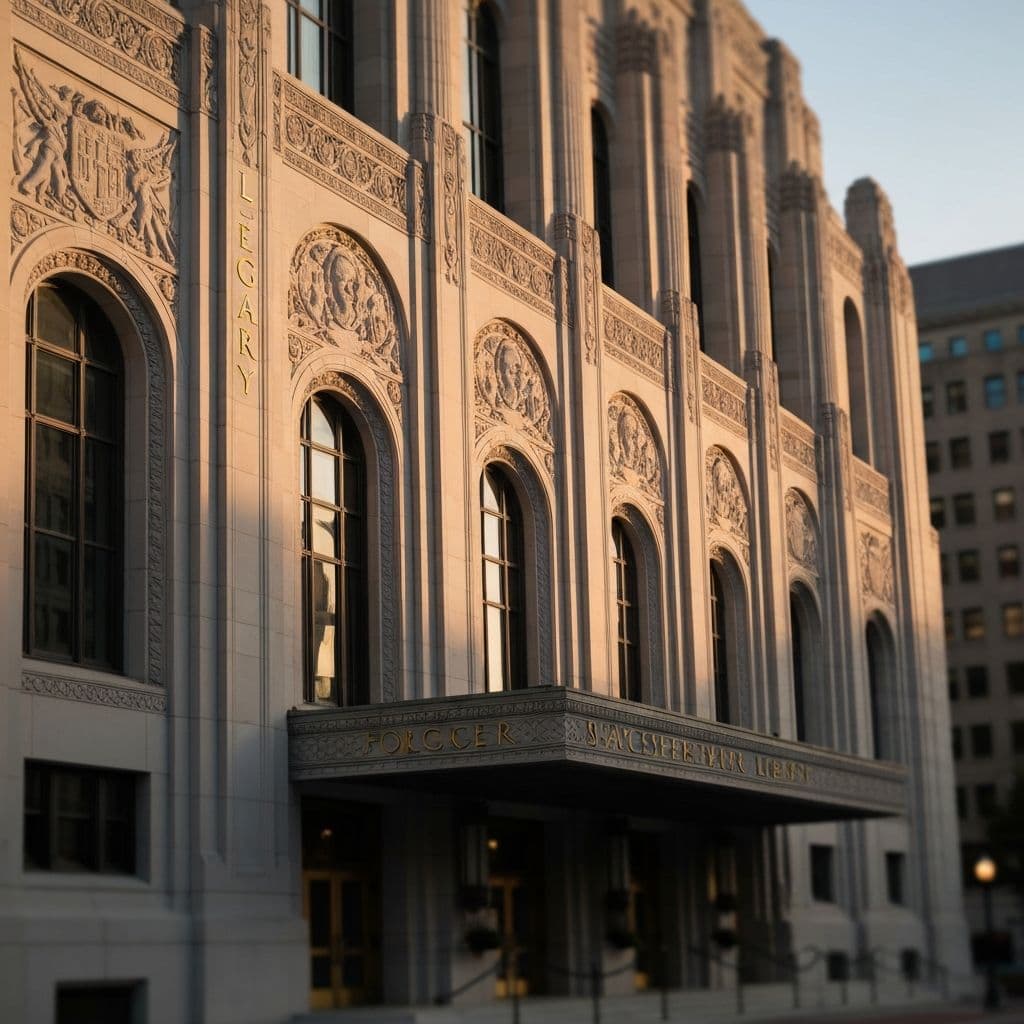
For a developer building their tenth project, the difference between a PM and an owner's rep is academic — the institutional knowledge lives in-house. For a university building its first residence hall in a decade, a county delivering a public facility under procurement scrutiny, or a cultural institution renovating a landmark (the Folger Shakespeare Library renovation is a good example of the complexity involved), the project is a once-a-generation event handled by people who will never do it again.
That asymmetry — experienced counterparties, inexperienced owner — is precisely the gap owner's representation exists to close. Not by adding another coordinator, but by putting someone on the owner's side of the table who has sat there before.
For how the role compares to the party actually building the project, see Owner's Representative vs. Construction Manager.