
The Challenge of Complex Capital Projects
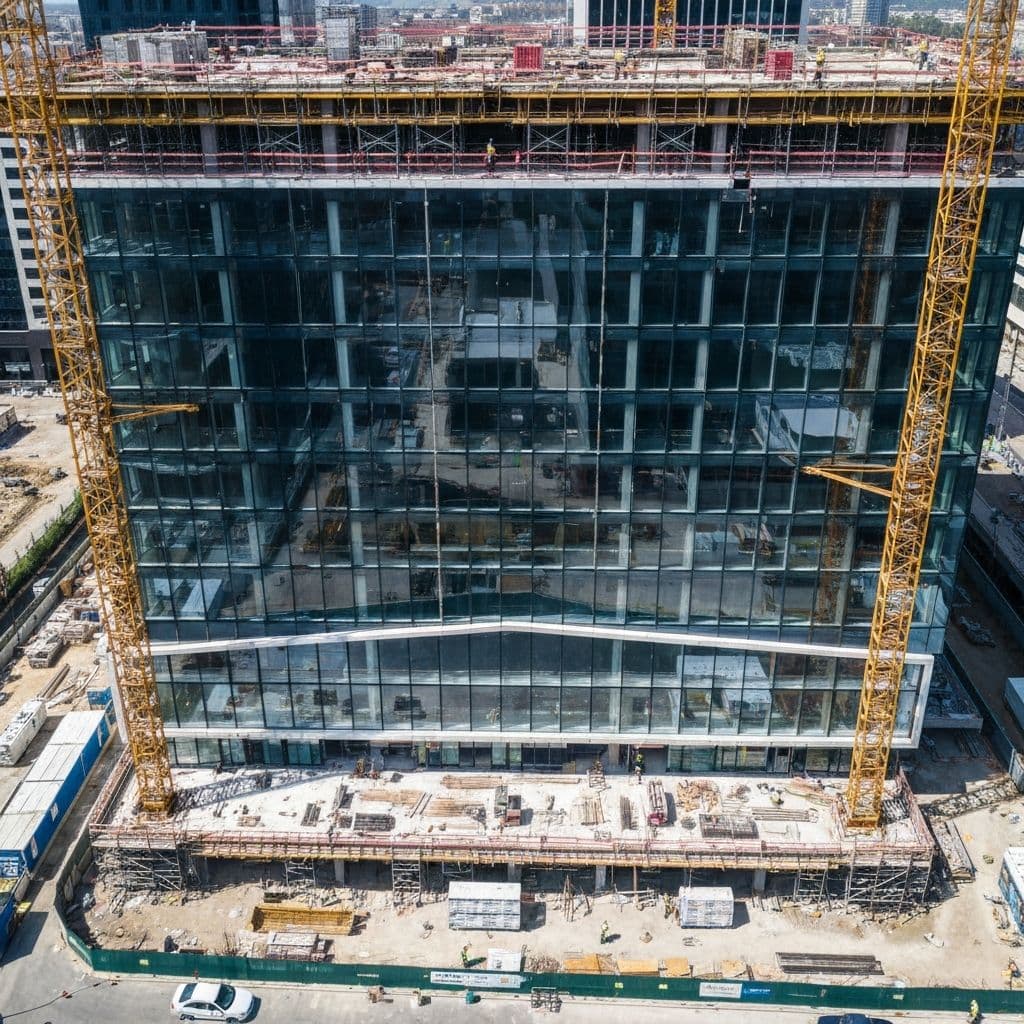
Capital projects in the $5M–$500M range typically involve dozens of consultants, contractors, and stakeholders — each with their own priorities and contractual obligations. Without dedicated owner-side leadership, institutional interests can be diluted by competing agendas.
What Owner's Representation Provides
An owner's representative serves as the institution's advocate across all project phases:
- Strategic alignment — ensuring every decision supports the owner's vision and operational goals
- Financial stewardship — protecting budgets through disciplined cost management and change order review
- Schedule accountability — maintaining realistic timelines and holding all parties to committed milestones
- Risk management — identifying and mitigating risks before they become costly problems
- Stakeholder communication — translating technical complexity into clear, actionable information for leadership
When It Matters Most
Owner's representation is most critical during:
- Pre-construction planning — when scope decisions have the largest cost impact
- Design development — when design intent must be balanced against budget reality
- Construction — when change orders, delays, and quality issues require immediate, informed response
- Closeout and transition — when operational readiness depends on thorough commissioning
The Cost of Going Without
Organizations that attempt to manage complex projects with internal staff alone frequently encounter:
- Budget overruns driven by unmanaged change orders
- Schedule delays without clear accountability
- Quality issues discovered too late to correct economically
- Stakeholder misalignment that creates institutional friction
Conclusion
Dedicated owner's representation is not an added cost — it is an investment in project certainty. For institutions managing complex capital programs, the cost of representation is consistently outweighed by the savings it enables and the risks it prevents.