
A Different Kind of Schedule Risk
Most permitting risk is throughput risk: the plan reviewer is backlogged, the comments take a second cycle, the fire marshal wants revisions. Frustrating, but roughly linear — more complete documents and more follow-up generally produce faster approvals.
Historic district approvals do not behave this way, and owners who plan them as if they do build schedules that cannot be kept. Preservation review is sequential, committee-driven, and calendar-bound. Approvals come from boards that meet monthly, with submission deadlines weeks before each hearing, agendas that fill, and the authority to table an application to the next cycle for a single unresolved question. A missed deadline or an unpersuasive presentation does not cost days; it costs a full cycle, and cycles do not compress no matter how urgent the project becomes.
This is why the discipline that serves owners in historic districts is a reversal of habit: build the approvals timeline first, and let it shape the design schedule — not the other way around.
Know Every Party Who Can Say No
The first step is a complete inventory of who holds approval authority over the property, because in historic districts there is rarely just one answer, and the parties do not review in parallel by default.
Local historic preservation review boards or commissions typically hold design review authority over exterior changes visible from public rights-of-way — materials, fenestration, additions, rooftop equipment, signage, and sometimes demolition of any kind. Where federal funding, permits, or licenses are involved, Section 106 consultation with the State Historic Preservation Office runs on its own track, with its own consulting parties and its own resolution process. Properties in the national capital region and other special jurisdictions may answer to additional design review bodies with their own calendars.
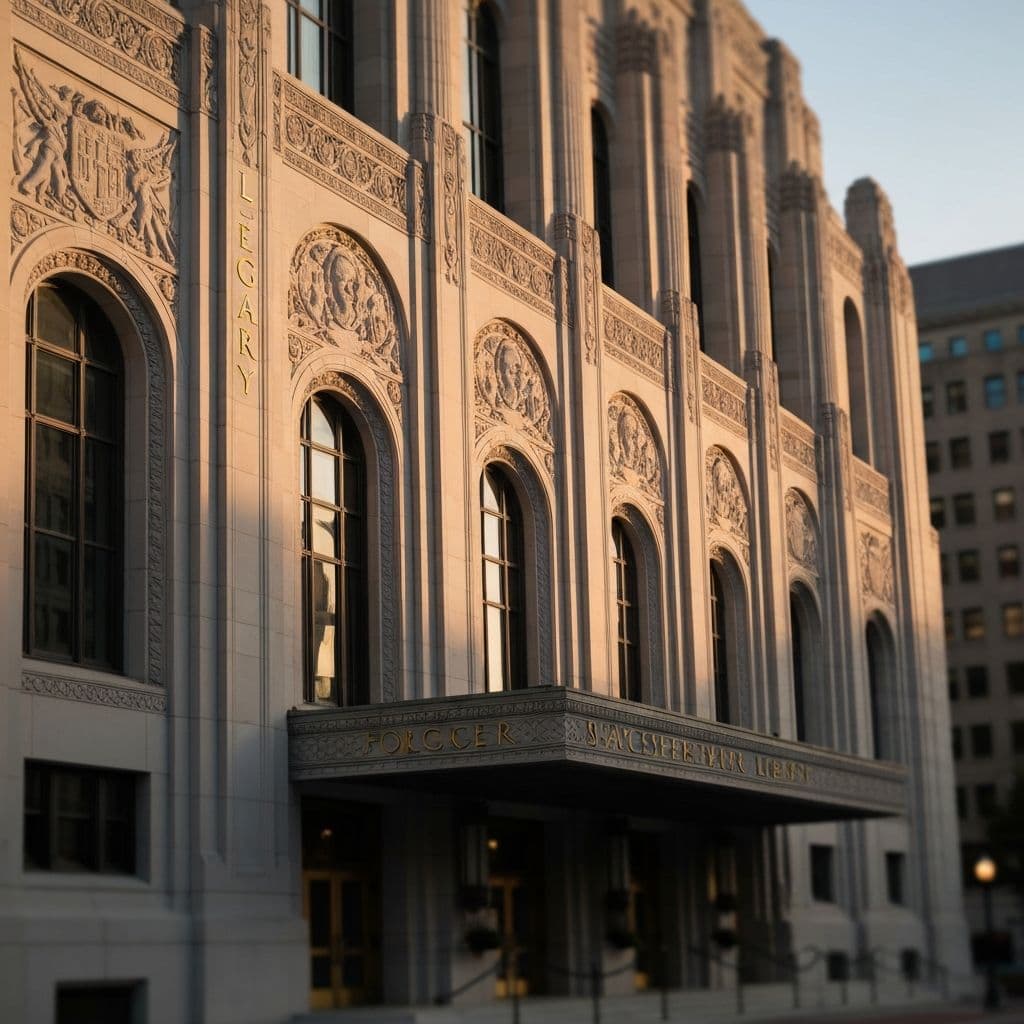
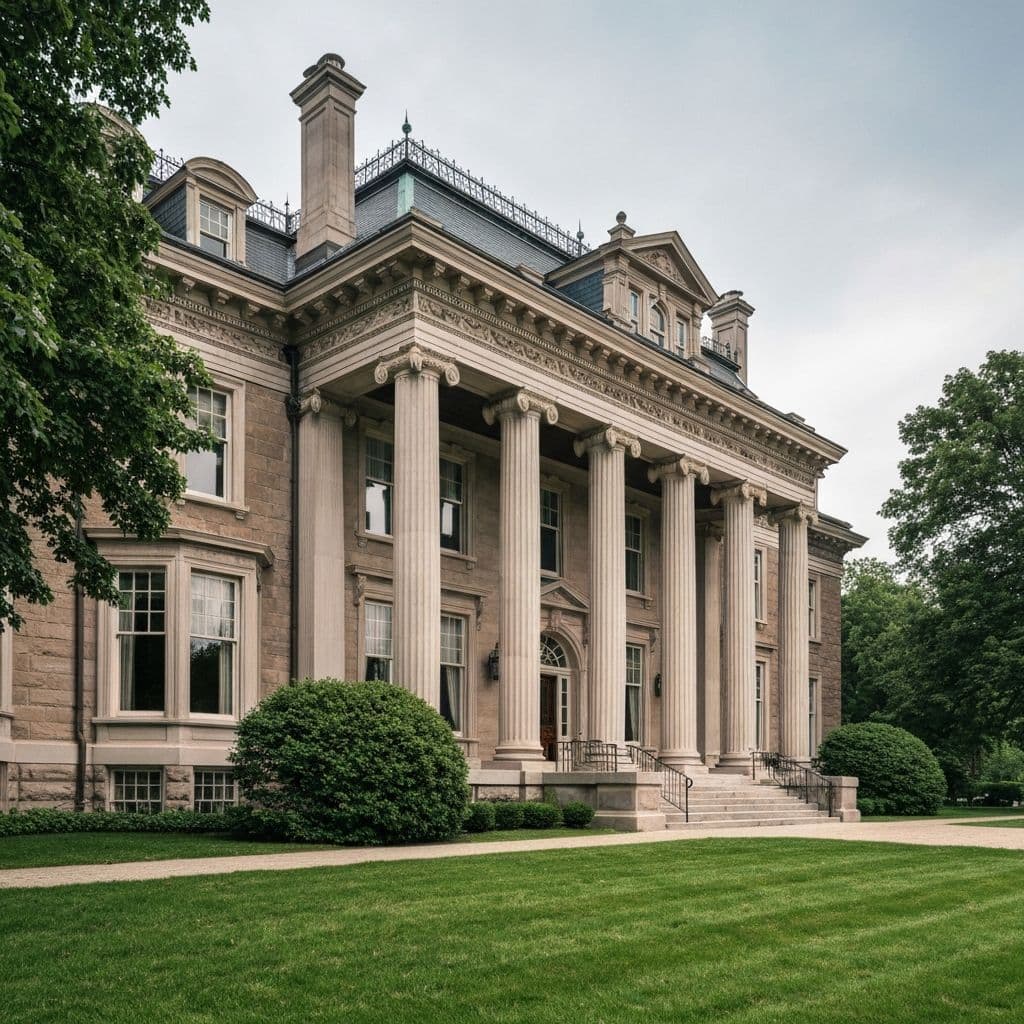
Then there are easement holders — the party owners most often discover late. A preservation easement donated decades ago gives its holder a contractual right to review and approve alterations, independent of any government process, on the holder's own timeline and standard of review. Institutions that steward significant properties, as we have seen on work at the Folger Shakespeare Library and Dumbarton Oaks, routinely navigate several of these authorities on a single project. Each one is a gate, each gate has a calendar, and the timeline is credible only when every gate is on it.
Build the Timeline Before the Design Schedule
With the inventory complete, the approvals timeline can be assembled: each authority's meeting calendar, submission deadlines, required application contents, typical number of cycles for a project of the scope contemplated, and the dependencies among them — which approvals must precede which, and which can proceed concurrently with effort.
Assembled honestly, this timeline usually delivers an unwelcome but valuable message: the approvals path, not the design effort, sets the earliest realistic construction start. That message should arrive before the institution commits to a groundbreaking date, a funding deadline, or an operational milestone, because the alternatives are worse. When the design schedule is built first and approvals are penciled in as a summary bar, every review cycle that runs long becomes a surprise, and the pressure to compress lands on the one activity that cannot be compressed.
The timeline also disciplines design sequencing. If the review board will rule on massing and materials, those decisions should be developed and locked early, and design effort downstream of them held back until the board has spoken. Detailed design produced ahead of a fundamental approval is work at risk — and worse, it hardens the team against the changes review may require. Sequencing design deliverables around the approvals map is core design and regulatory management, and it is far easier to do at the start than to retrofit after the schedule slips.
Early Informal Consultation Buys Certainty
The most effective schedule protection available in historic districts costs the least: go early, informally, and often. Nearly every preservation authority offers some form of pre-application engagement — staff-level consultation, conceptual review, a courtesy presentation before formal submission. Owners routinely skip these steps to save time, and in doing so spend more of it.
Early consultation works because preservation review is interpretive. The standards leave room for judgment, and the judgment belongs to staff and board members whose concerns are knowable in advance if someone asks. A conceptual conversation surfaces the board's likely objections while the design can still absorb them cheaply, reveals the unwritten expectations that never appear in the application checklist, and builds the working relationship that later carries a difficult detail through a hearing. Boards presented with a completed design they have never seen tend to assert their authority; boards that watched the design develop tend to help it succeed.
Informal engagement also produces intelligence the formal process never volunteers: which submissions have been tabled recently and why, how full the coming agendas are, which consulting parties are active. For an owner assembling a timeline it can trust, that intelligence is worth more than any general rule of thumb.
Protect the Approval Once You Have It
An approval earned through this process is an asset, and like any asset it can be lost. Most preservation approvals are conditioned on the design as presented; material changes trigger re-review, and re-review means returning to the calendar. The triggers are broader than owners expect. A substitution driven by procurement — a different stone, a changed window profile, a revised mechanical screen — can void the approval it deviates from, even when the substitute seems equivalent to the project team. Discoveries during construction on historic fabric raise the same exposure: conditions that force a detail change may force a return to the board.
The protections are procedural. Flow the approval conditions into the construction documents and the contractor's obligations, so no substitution proceeds without an owner-side check against the approval. Keep the relationship with review staff alive through construction, because minor field adjustments can often be cleared at staff level in days if asked early — and become full hearings if discovered late. And carry schedule contingency specifically for re-review, sized to the meeting cycle, because in a historic district that is the true unit of schedule risk.
Start with the Calendar, Not the Design
Owners planning work on designated properties — cultural institutions, civic and government stewards, and private institutions alike — get schedule certainty in historic districts the same way: inventory every approval authority, build the approvals timeline first, engage early and informally, and guard the approval through construction. If your institution is contemplating work in a historic district, independent owner-side advisory can map the approvals path and structure the planning around it before commitments are made that the calendar cannot honor.