
Risk in Institutional Construction Is Different
Commercial developers build to a pro forma. They understand construction risk through the lens of return on investment, and they manage it with market discipline. Institutional owners — universities, museums, government agencies, cultural organizations — operate under a fundamentally different set of pressures. Their projects are funded by donors, taxpayers, or endowments. Their stakeholders include boards, faculty, the public, and regulatory agencies. Their tolerance for failure is low, and the consequences of cost overruns or schedule delays extend far beyond the balance sheet.
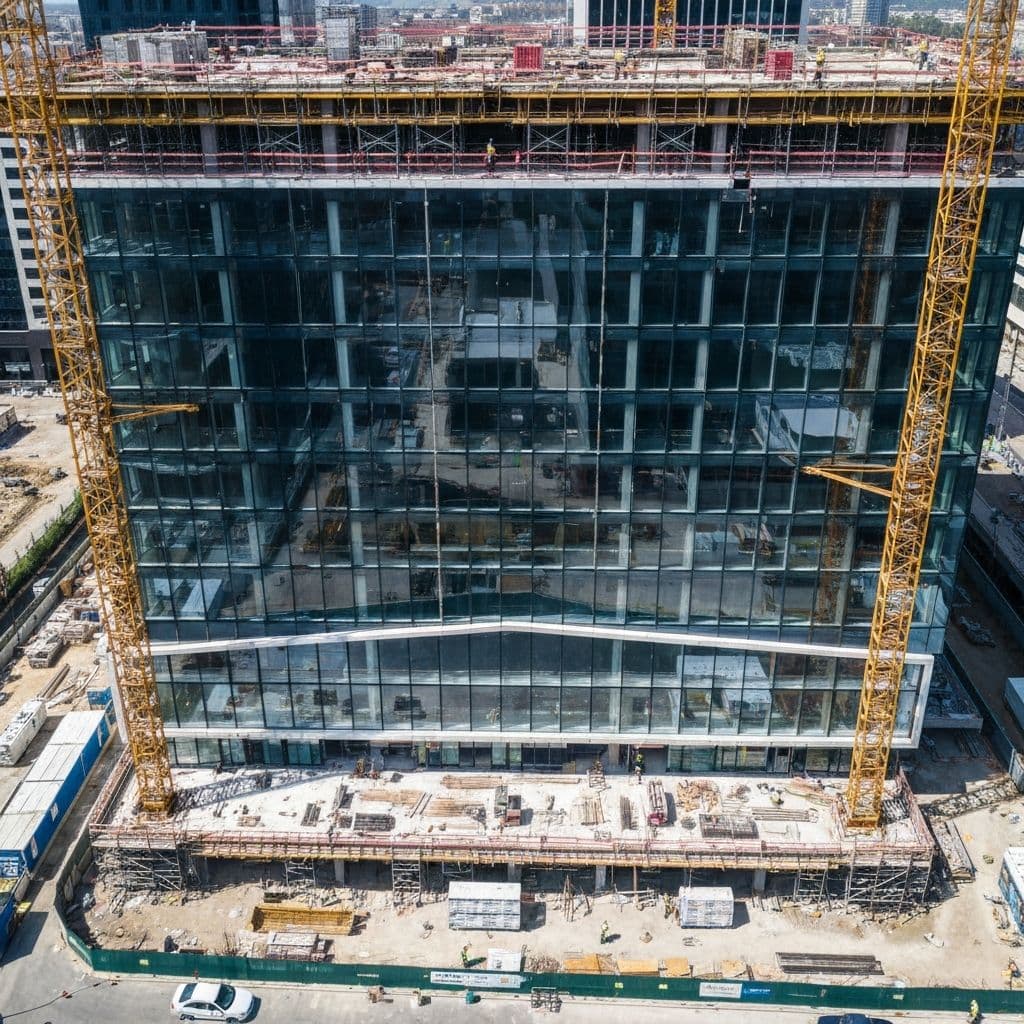
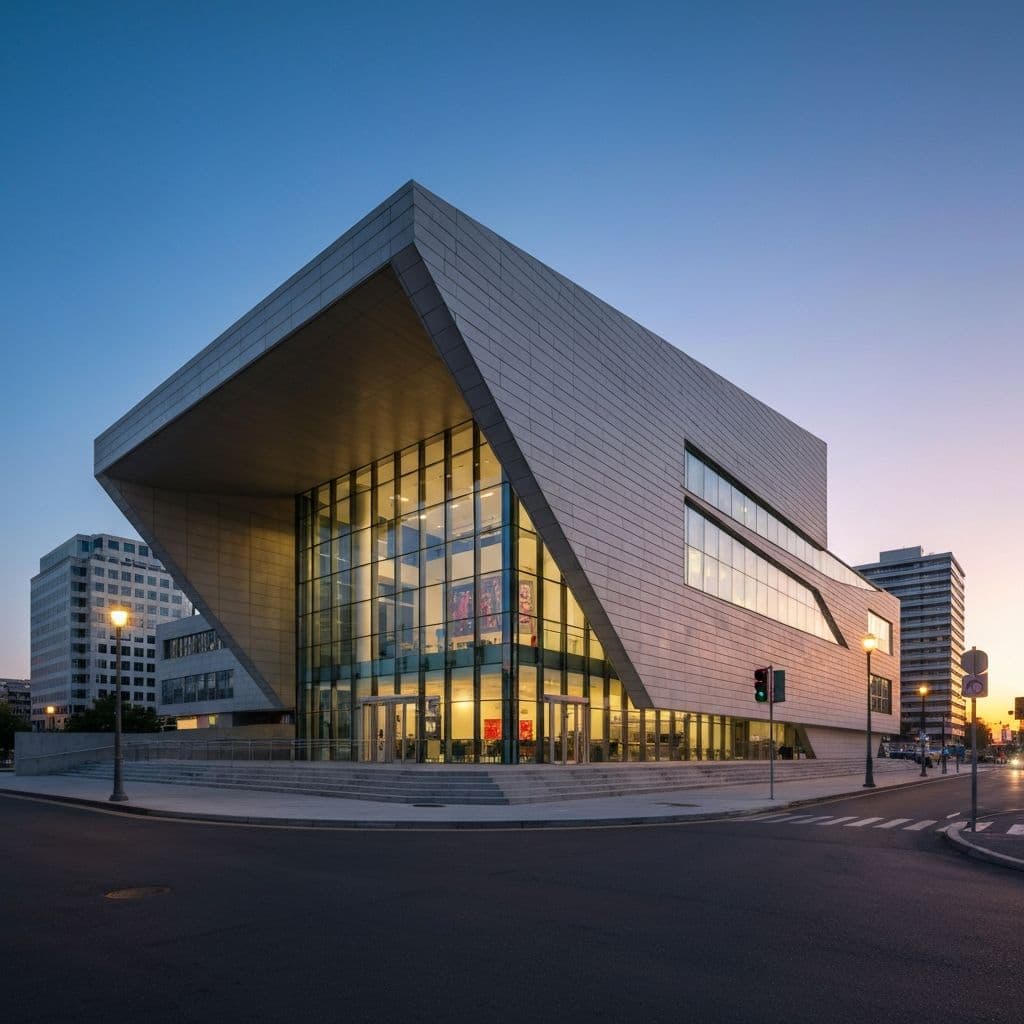
Understanding the specific risks that threaten institutional projects is the first step toward managing them effectively. After decades of delivering complex institutional work, including projects like the Museum of the Bible, we have observed that the most damaging risks are rarely the ones that get the most attention.
Scope Ambiguity: The Silent Budget Killer
The single most consequential risk in institutional construction is poorly defined scope. Unlike commercial projects, where the program is typically driven by market analysis and financial modeling, institutional projects are driven by mission, vision, and stakeholder aspiration. These are inherently more difficult to translate into a fixed construction scope.
Scope ambiguity manifests in several ways:
- Program requirements that continue to evolve after design has begun
- Aspirational features that are included in the design but not in the budget
- Stakeholder groups that introduce new requirements during construction
- Deferred decisions that create gaps in the construction documents
Each of these creates change orders, delays, and cost increases. The solution is not to eliminate all scope changes — that is unrealistic in institutional work — but to establish clear processes for evaluating, approving, and funding scope modifications. Strategic planning that produces a detailed, stakeholder-validated project charter is the most effective defense against scope ambiguity.
Governance Failures
Institutional projects involve complex governance structures. A university construction project may require approval from the facilities department, the provost, a board committee, state oversight agencies, and donor representatives. A cultural institution may need alignment between its board, curatorial staff, operations team, and preservation consultants.
When governance structures are unclear, decision-making stalls. When too many parties have veto authority, decisions are made by default rather than by design. When communication protocols are informal, critical information fails to reach the people who need it.
Effective risk management starts with clear governance. During the planning phase, project leadership should establish:
- A defined decision-making authority matrix
- Escalation procedures for disputes and critical decisions
- Regular reporting cadences tailored to each stakeholder group
- Documentation standards that create a clear record of decisions and rationale
Funding Uncertainty
Institutional projects are often approved on the basis of preliminary cost estimates and incomplete funding commitments. As design progresses and costs become more defined, the gap between available funding and project cost may widen. This creates pressure to either reduce scope — often in ways that compromise the project's value — or to pursue additional funding, which takes time and is never guaranteed.
The risk is compounded by the fact that institutional projects frequently take longer to plan and deliver than originally anticipated. Construction cost escalation during extended planning periods can erode the purchasing power of committed funding. A project that was fully funded at $50M in 2023 may face a $58M price tag by the time construction begins in 2026.
Managing this risk requires realistic cost estimating from the outset, escalation assumptions built into the budget, and phasing strategies that allow the institution to deliver core scope within available funding while deferring discretionary elements.
Unforeseen Conditions in Existing Buildings
For institutional renovation projects — which represent a significant portion of the sector — hidden conditions in existing buildings are a persistent and often costly risk. Structural deficiencies, environmental hazards, outdated or non-compliant building systems, and undocumented previous modifications routinely emerge once construction begins.
The standard mitigation strategy is contingency budgeting, but contingency alone is not sufficient. Proactive investigation during pre-construction — including destructive testing, environmental surveys, and structural analysis — reduces the probability and magnitude of surprises during construction. Every dollar spent on investigation typically saves three to five dollars in change orders.
Schedule Risk and Its Cascading Effects
Schedule delays in institutional construction create consequences that extend beyond the project itself. A university that cannot occupy a new academic building on time faces semester disruption. A museum that delays its reopening loses revenue and public confidence. A government agency that extends construction faces political scrutiny and budget pressure.
Schedule risk is driven by several factors specific to institutional work:
- Extended design review cycles involving multiple stakeholder groups
- Regulatory approvals that follow their own timelines
- Seasonal constraints related to academic calendars, tourist seasons, or legislative cycles
- Funding release schedules that may not align with construction needs
Managing schedule risk requires realistic scheduling from the outset — accounting for the actual pace of institutional decision-making, not the idealized pace that project schedules typically assume. It also requires active schedule management during construction, with clear accountability for milestone performance.
Quality and Performance Risk
Institutional buildings are expected to last for decades and to perform at levels that reflect the institution's values. Quality failures — whether in building envelope performance, systems reliability, or finish quality — undermine institutional credibility and create long-term operational costs.
Construction management and quality control for institutional projects must go beyond basic inspection. It requires:
- Design reviews that evaluate constructability and durability, not just aesthetics
- Material submittals reviewed against performance specifications, not just product data
- Commissioning protocols that verify systems performance under actual operating conditions
- Warranty management that ensures post-construction accountability
Contractual and Insurance Risk
Institutional owners are frequently less experienced with construction contracts than their commercial counterparts. This creates vulnerability to unfavorable contract terms, inadequate insurance requirements, and dispute resolution provisions that do not serve the owner's interests.
Contract review by experienced project counsel and owner's representatives is essential. Standard form contracts (AIA, ConsensusDocs) provide a reasonable starting point, but they must be modified to reflect the specific risks and requirements of each project. Institutional owners should never sign construction contracts without independent review by professionals who understand both the legal and practical implications of every provision.
Conclusion
The risks that threaten large institutional construction projects are well-understood. They are not mysteries to be solved — they are challenges to be managed through disciplined planning, clear governance, realistic budgeting, and experienced project leadership. Organizations that invest in risk identification and mitigation during the planning phase consistently achieve better outcomes than those that address risks reactively during construction.
For institutional leaders preparing for a major capital project, the most important question is not "What could go wrong?" — it is "Do we have the right team and processes in place to manage what will inevitably go differently than planned?" If the answer is uncertain, our team can help.