Two Worlds That Look Different but Behave the Same
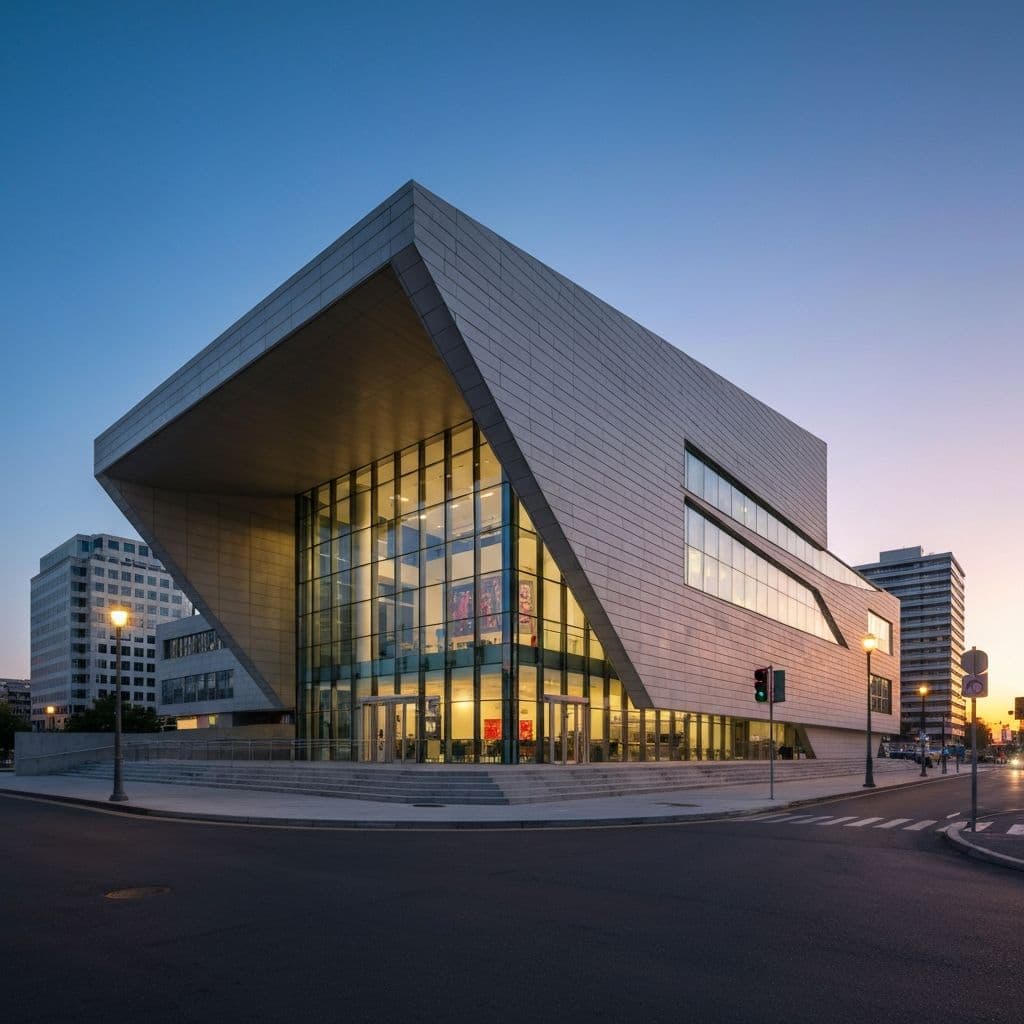
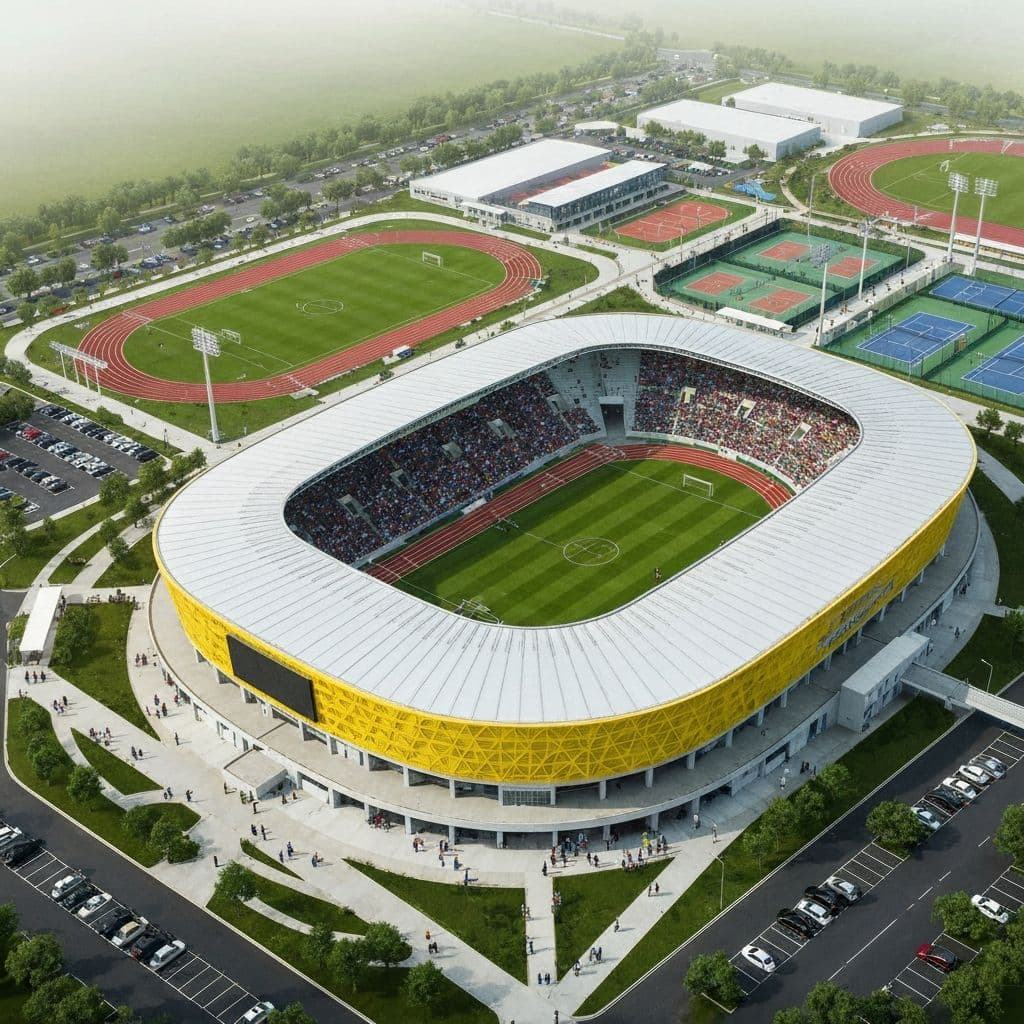
When most people think of a museum renovation and a stadium modernization, they see two entirely different project types. One involves gallery lighting and climate-controlled archives. The other involves structural steel, jumbotrons, and luxury suites. The buildings look different. The audiences look different. The budgets operate at different scales.
But from a capital planning perspective — from the owner's side of the table — the delivery challenges are remarkably similar. Both project types involve public-facing facilities that must remain operational or return to operation by a non-negotiable date. Both require coordination across dozens of specialized systems that interact in complex ways. Both answer to institutional stakeholders, public accountability structures, and funding sources that impose constraints beyond what a typical commercial project faces.
The capital planning discipline that protects a museum renovation — governance clarity, stakeholder alignment, operational continuity planning, and phased delivery — applies directly to arena and venue modernization. Owners planning sports and entertainment venue projects can draw meaningful lessons from how cultural and institutional environments have navigated these shared challenges for decades.
The Hard-Date Problem
Why Immovable Deadlines Shape Everything
The most obvious parallel between cultural institutions and sports venues is the hard opening date. A museum exhibition tied to a national anniversary cannot move. A performing arts season cannot relocate. And a professional sports season starts when the league says it starts — not when the general contractor finishes punch list.
This shared constraint — a calendar-driven delivery date that exists independently of construction progress — fundamentally shapes how capital planning must work for both project types. It eliminates the most common schedule relief valve available to commercial developers: simply extending the timeline when problems arise.
Hard dates demand front-loaded planning. In commercial development, owners can sometimes recover from an inadequate planning phase by extending construction. When the opening date is fixed, every week lost during planning compresses the construction window. The capital planning discipline required is to invest heavily in pre-construction — programming, design validation, procurement strategy, and risk identification — before committing to a construction schedule that cannot slip.
Hard dates require contingency that is structured, not aspirational. Saying "we have float in the schedule" is not the same as having a contingency strategy. Cultural institutions that successfully deliver to hard dates build contingency into the project structure: phased scopes that can be separated, procurement sequences that allow early packages to proceed while later packages are refined, and finish strategies that distinguish between what must be complete for opening and what can be completed after operations resume.
Hard dates expose governance problems early. When the calendar is fixed, slow decision-making becomes a critical path risk. The governance frameworks that cultural institutions use to ensure timely decision-making — clear authority matrices, structured review periods, pre-authorized decision parameters — are directly applicable to venue projects where a missed decision window can cascade into a missed season.
The Cost of Missing a Hard Date
For a museum, missing a planned opening date means lost ticket revenue, reputational damage with donors and the public, and potential contractual penalties with traveling exhibition partners or loan agreements. These consequences are significant but generally recoverable.
For a sports venue, the consequences can be catastrophic. Missing a season opener can mean tens of millions in lost revenue, contractual penalties with leagues and broadcast partners, relocation of events to competing venues, and political fallout if public funding is involved. The stakes make disciplined capital planning not merely advisable but essential.
Operational Continuity: The Challenge Neither Type Can Ignore
Renovating While the Lights Stay On
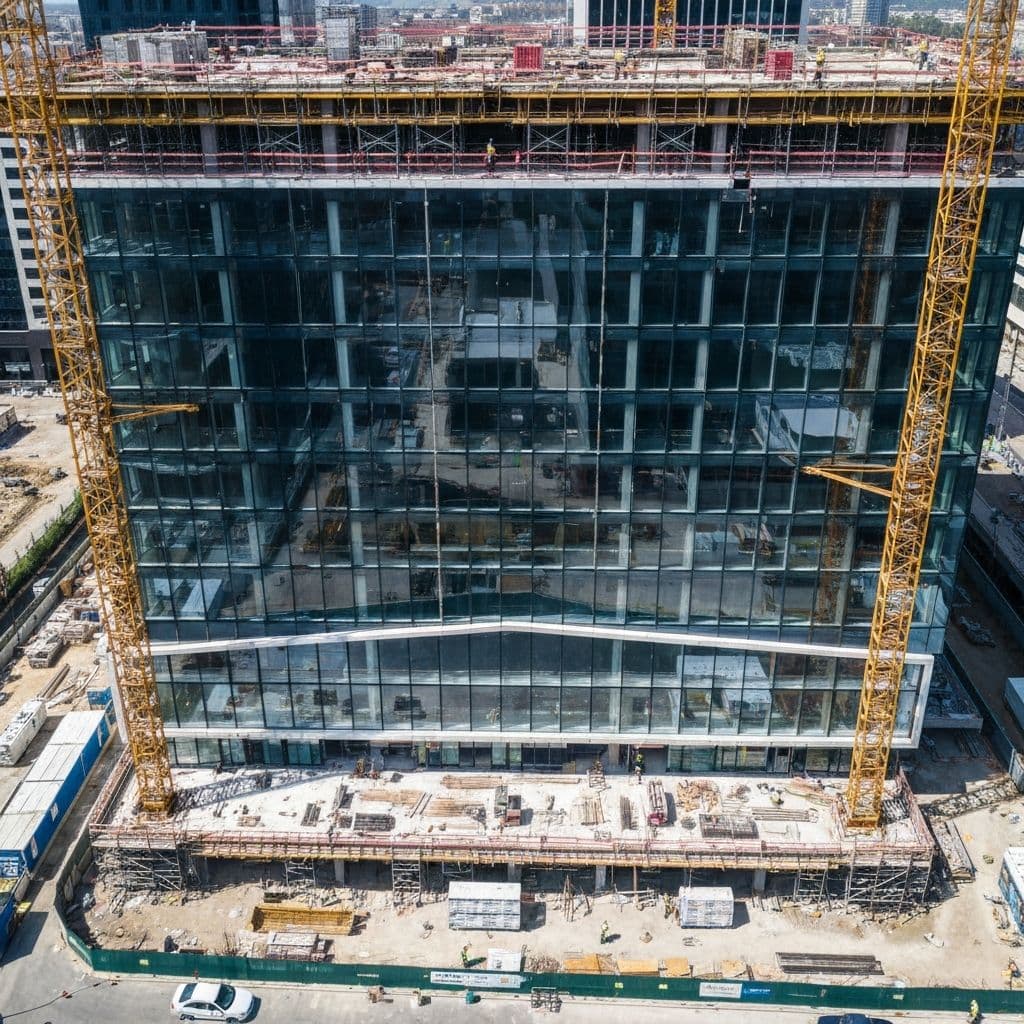
Many of the most complex venue projects are not new construction — they are modernizations of existing facilities that must continue operating during construction. This is the same challenge that museums, performing arts centers, and libraries face routinely: how do you renovate a building that people are using every day?
The capital planning frameworks that cultural institutions have developed for operational continuity translate directly to venue modernization:
-
Phased occupancy planning — determining which areas can be taken offline, in what sequence, and for how long, while maintaining sufficient operational capacity. A museum might phase gallery renovations around its exhibition calendar. A venue phases construction around its event schedule. The planning methodology is the same.
-
Temporary systems and workarounds — identifying what temporary infrastructure is needed to maintain operations during construction. Cultural institutions plan temporary climate control, temporary exhibit lighting, and temporary visitor circulation. Venues plan temporary concession operations, temporary seating configurations, and temporary broadcast infrastructure. Different systems, same planning framework.
-
Noise, vibration, and environmental management — construction activities that would be unremarkable in a commercial project become critical management issues when they occur adjacent to occupied spaces. Museums manage vibration near sensitive collections. Performing arts centers manage noise near rehearsal and performance spaces. Venues manage environmental impacts during events. The mitigation strategies differ in specifics but share common planning principles.
-
Life safety during construction — maintaining egress, fire protection, and emergency response capabilities while construction alters building circulation and systems. This is a universal challenge for occupied renovation projects, and the protocols developed for institutional environments are directly applicable to venues.
The Coordination Burden
Operational continuity planning adds significant coordination burden to any project. It requires active collaboration between the construction team and the operations team, ongoing schedule negotiation as construction conditions change, and a decision-making framework that can resolve conflicts between construction efficiency and operational requirements.
This coordination burden is where many venue modernization projects struggle. The construction team optimizes for construction productivity. The operations team optimizes for event delivery. Without a structured framework for resolving conflicts between these priorities, decisions escalate, schedules slip, and costs grow.
Strategic Planning & Advisory provides the framework for managing this tension. An owner-side advisor with experience in operational continuity planning can establish the coordination protocols, decision authority, and reporting structures that keep construction and operations aligned throughout the project.
Specialized Systems and Integration Complexity
The Hidden Challenge of Building Convergence
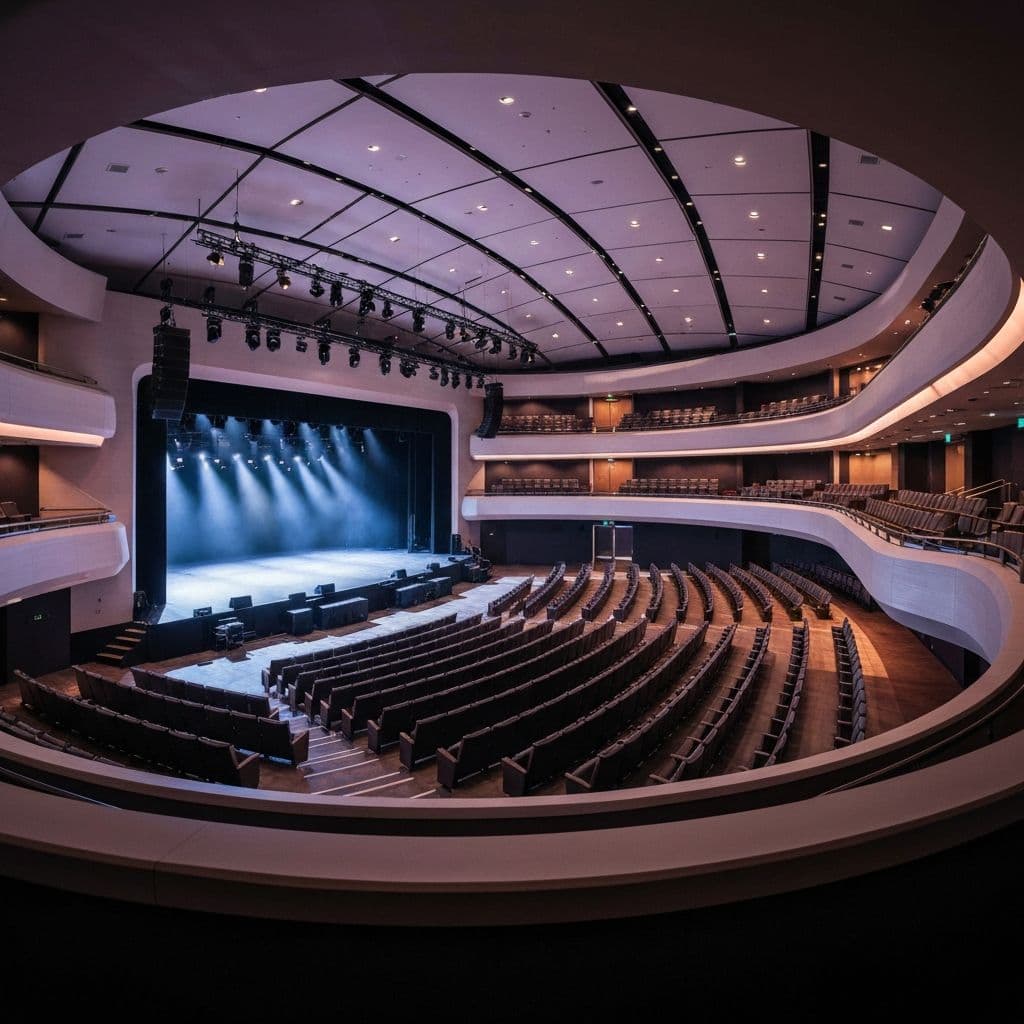
Both cultural facilities and sports venues are defined by their specialized systems. A museum is not just a building — it is a climate-controlled, light-managed, security-monitored environment where building systems directly affect the mission. A venue is not just a building — it is an acoustically engineered, broadcast-equipped, crowd-managed environment where building systems directly affect the experience.
In both cases, the integration of specialized systems creates complexity that standard commercial construction processes are not designed to manage:
Acoustics, lighting, and environmental controls must be coordinated across architectural, mechanical, and electrical disciplines in ways that go far beyond typical building coordination. In a museum, the interaction between HVAC systems and gallery humidity requirements drives design decisions that affect structural, architectural, and mechanical systems simultaneously. In a venue, the interaction between acoustics, broadcast infrastructure, and crowd comfort creates similar multi-discipline coordination requirements.
Technology systems in both building types are more complex and more rapidly evolving than in standard commercial construction. Museums integrate collection management systems, interactive displays, and digital archives. Venues integrate broadcast technology, scoring systems, digital signage, and mobile connectivity infrastructure. In both cases, technology procurement timelines often do not align with construction procurement timelines, creating coordination challenges that must be managed at the capital planning level.
Security and crowd management systems are mission-critical in both building types. Museums manage controlled access to sensitive collections and manage visitor flow through galleries. Venues manage access control for thousands of attendees and coordinate crowd flow for safety and experience. The security systems in both cases must be integrated with architectural design, mechanical systems, and operational protocols.
Why Standard Coordination Processes Fall Short
Standard commercial construction relies on BIM coordination, shop drawing review, and construction-phase coordination meetings to resolve system integration issues. For cultural facilities and venues, this is necessary but insufficient.
The specialized systems in these building types require early integration — during programming and design, not during construction. By the time coordination issues surface during shop drawing review, the design decisions that created those issues are locked in, and resolution options are expensive and schedule-impacting.
Effective capital planning for these building types front-loads system integration into the design phase. It requires specialists in acoustics, technology, security, and other mission-critical systems to participate in design development, not simply review construction documents. It requires the owner to invest in commissioning planning early enough to influence design decisions. And it requires a procurement and financial management approach that accommodates the different timelines and expertise required for specialized system procurement.
Stakeholder Complexity and Public Accountability
Many Voices, One Project
Cultural institutions and sports venues share an unusually complex stakeholder environment. Both answer to boards or ownership groups. Both involve public-facing operations that attract community attention. Both frequently involve public funding, tax incentives, or regulatory approvals that create accountability obligations beyond the project itself.
For cultural institutions, the stakeholder map includes boards of directors, donors, curators, scholars, community groups, regulatory agencies, and the visiting public. For venues, it includes ownership groups, leagues, broadcast partners, sponsors, tenants, public officials, and the attending public. Different stakeholders, but the same fundamental challenge: aligning diverse interests around a coherent project scope and timeline.
The capital planning frameworks that cultural institutions use to manage stakeholder complexity are directly transferable:
-
Stakeholder mapping and engagement planning — identifying all stakeholders, understanding their interests and influence, and establishing communication protocols before the project begins.
-
Structured decision-making — defining who has authority over which decisions, establishing escalation paths for disputes, and ensuring that decision-making processes are transparent and documented.
-
Regular reporting and communication — providing consistent, accurate project information to all stakeholder groups through appropriate channels and at appropriate intervals.
-
Scope management discipline — establishing a clear scope baseline and a rigorous change management process that evaluates proposed changes against project objectives, budget, and schedule before they are incorporated.
Public Funding and Accountability
When public funding is involved — through direct appropriation, tax increment financing, tax-exempt bonds, or other mechanisms — the accountability requirements increase significantly. Public funding brings reporting obligations, procurement constraints, audit requirements, and political visibility that add complexity to project delivery.
Cultural institutions that rely on public funding have developed governance frameworks to manage these obligations. These frameworks — which include structured reporting, independent oversight, and transparent procurement — are directly applicable to publicly funded venue projects, where the political stakes and public scrutiny are often even more intense.
Phased Delivery: A Strategy, Not a Concession
Why Phasing Works for Both Building Types
Phasing is sometimes viewed as a concession — evidence that the owner cannot afford to do everything at once. In reality, phased delivery is a strategic choice that can improve outcomes for both cultural institutions and venues.
Phasing manages financial risk. By delivering the project in defined phases, each with its own budget and funding strategy, the owner limits exposure to cost escalation and funding uncertainty. If economic conditions change or funding sources do not materialize as expected, the owner has completed functional phases rather than an incomplete single project.
Phasing manages operational risk. For facilities that must remain operational, phasing allows the owner to limit the operational disruption at any given time. Each phase is planned to maintain operational viability while advancing the overall project.
Phasing allows learning. The first phase of a complex project generates lessons — about the building, the contractors, the systems, the stakeholders — that improve planning and execution for subsequent phases. Cultural institutions that have executed multi-phase renovation programs consistently report that later phases benefit from lessons learned in earlier phases.
Phasing maintains flexibility. Priorities change. Technology evolves. Stakeholder needs shift. A phased approach allows the owner to adjust subsequent phases based on changed conditions, rather than being locked into a comprehensive scope defined years before construction.
Phasing Pitfalls to Avoid
Phasing is not without risk. Each phase involves mobilization and demobilization costs, potential rework at phase boundaries, and coordination overhead. Poorly planned phasing can increase total project cost and extend total project duration.
The key to effective phasing is ensuring that each phase delivers complete, usable improvement that stands on its own — not a partial improvement that depends on future phases for its value. Cultural institutions have learned this lesson through experience, and it applies equally to venue projects where phasing decisions must account for revenue generation, event scheduling, and operational requirements.
Procurement Strategy: Matching the Approach to the Complexity
Beyond Low-Bid Selection
Both cultural projects and venue projects require procurement strategies that account for the specialized nature of the work. Standard low-bid procurement, which works adequately for straightforward commercial construction, often produces poor outcomes for complex institutional and venue projects.
The procurement challenges are similar:
-
Specialized subcontractor pools are small. The number of firms qualified to install museum-quality climate control or broadcast-grade venue technology is limited. Procurement strategies must attract these firms, not drive them away with onerous terms or unrealistic pricing expectations.
-
Quality is not fungible. In both building types, quality differences in execution directly affect the facility's ability to fulfill its mission. A museum gallery with inadequate climate control cannot safely display sensitive works. A venue with poor acoustics cannot attract premium events. Procurement must weight quality and capability alongside price.
-
Long-lead procurement is common. Specialized equipment, custom fabrication, and technology systems often require procurement timelines that exceed standard construction schedules. Capital planning must identify long-lead items early and initiate procurement well before construction begins.
-
Change order management is critical. Complex projects generate changes. The procurement strategy must establish fair, efficient mechanisms for managing changes without creating adversarial relationships that undermine project delivery.
Cultural institutions have developed procurement approaches — qualifications-based selection, best-value procurement, construction management at-risk, and hybrid delivery methods — that address these challenges. Venue owners facing similar challenges can benefit from understanding how these approaches work in practice and adapting them to the venue context.
Risk Management: Identifying What Can Go Wrong Before It Does
Common Risk Categories
The risk profiles of cultural projects and venue projects overlap significantly:
-
Concealed conditions in renovation projects — existing buildings contain surprises, from structural deficiencies to hazardous materials to undocumented prior modifications. Both building types frequently involve structures with long histories and incomplete documentation.
-
Regulatory complexity — both building types are subject to building codes, accessibility requirements, fire and life safety regulations, and potentially historic preservation requirements. Venues add requirements related to crowd management, alcohol service, and broadcast infrastructure.
-
Schedule risk from external dependencies — both project types depend on external factors beyond the construction team's control. Cultural institutions depend on collection loans, exhibition schedules, and donor timelines. Venues depend on league schedules, event bookings, and broadcast contracts.
-
Cost escalation — both project types involve long planning periods during which construction costs can escalate significantly. Capital planning must account for escalation realistically, not optimistically.
-
Stakeholder-driven scope changes — the complex stakeholder environments in both building types create ongoing pressure to modify scope during design and construction. Without disciplined change management, scope creep erodes budget and schedule.
The Value of Independent Risk Assessment
One of the most transferable practices from cultural project delivery is independent risk assessment. Cultural institutions that engage independent owner-side advisors to assess project risks — separately from the design team and the construction team — consistently identify risks earlier and manage them more effectively.
This practice is equally valuable for venue projects, where the scale of investment and the consequences of failure make early risk identification essential. An independent risk assessment, conducted during capital planning before commitments are made, can identify governance gaps, procurement risks, schedule vulnerabilities, and financial exposures that the project team may not recognize or may be reluctant to raise.
Applying Cultural Project Discipline to Venue Delivery
The capital planning discipline that has been developed and refined through decades of cultural institution projects is not sector-specific. It is a framework for managing complexity, aligning stakeholders, protecting budgets, and delivering outcomes in environments where the building's performance directly affects institutional mission.
Sports and entertainment venues operate in exactly this kind of environment. The building is not just shelter — it is the product. Its performance directly affects revenue, reputation, and public trust. The delivery challenges — hard dates, operational continuity, specialized systems, stakeholder complexity, public accountability — are the same challenges that cultural institutions navigate routinely.
Owners planning venue projects do not need to reinvent the capital planning wheel. They need to apply the planning discipline that has been proven in institutional environments, adapted to the specific requirements of venue delivery.
The starting point is the same regardless of building type: establish governance clarity before design begins. Align stakeholders around a realistic scope and budget. Plan for operational continuity from day one. Invest in pre-construction planning that reduces construction-phase risk. And engage independent owner-side advisory that protects the owner's interests throughout the project lifecycle.
The discipline that protects a museum renovation protects a venue modernization. The frameworks are transferable. The principles are the same. The owners who recognize this — and apply it — are the ones who deliver successful projects.
For owners navigating the early stages of venue capital planning, Strategic Planning & Advisory can provide the independent perspective and structured frameworks that complex, public-facing projects require. The conversation starts with understanding what the project demands — and building the governance, procurement, and delivery strategy to meet those demands before commitments are made.