The Unique Nature of Cultural Capital Projects
Cultural institutions — museums, libraries, performing arts centers, and research facilities — operate under a set of constraints that distinguish their capital projects from conventional commercial construction. These organizations are mission-driven, often publicly funded or donor-supported, and house irreplaceable collections or programs that cannot simply be relocated or paused during construction.
When a museum undertakes a major renovation or a library plans a new wing, the project is not merely a construction exercise. It is an institutional transformation that touches every aspect of the organization, from curatorial operations to visitor experience to long-term financial sustainability. Getting the planning right is not optional — it is the foundation upon which everything else is built.
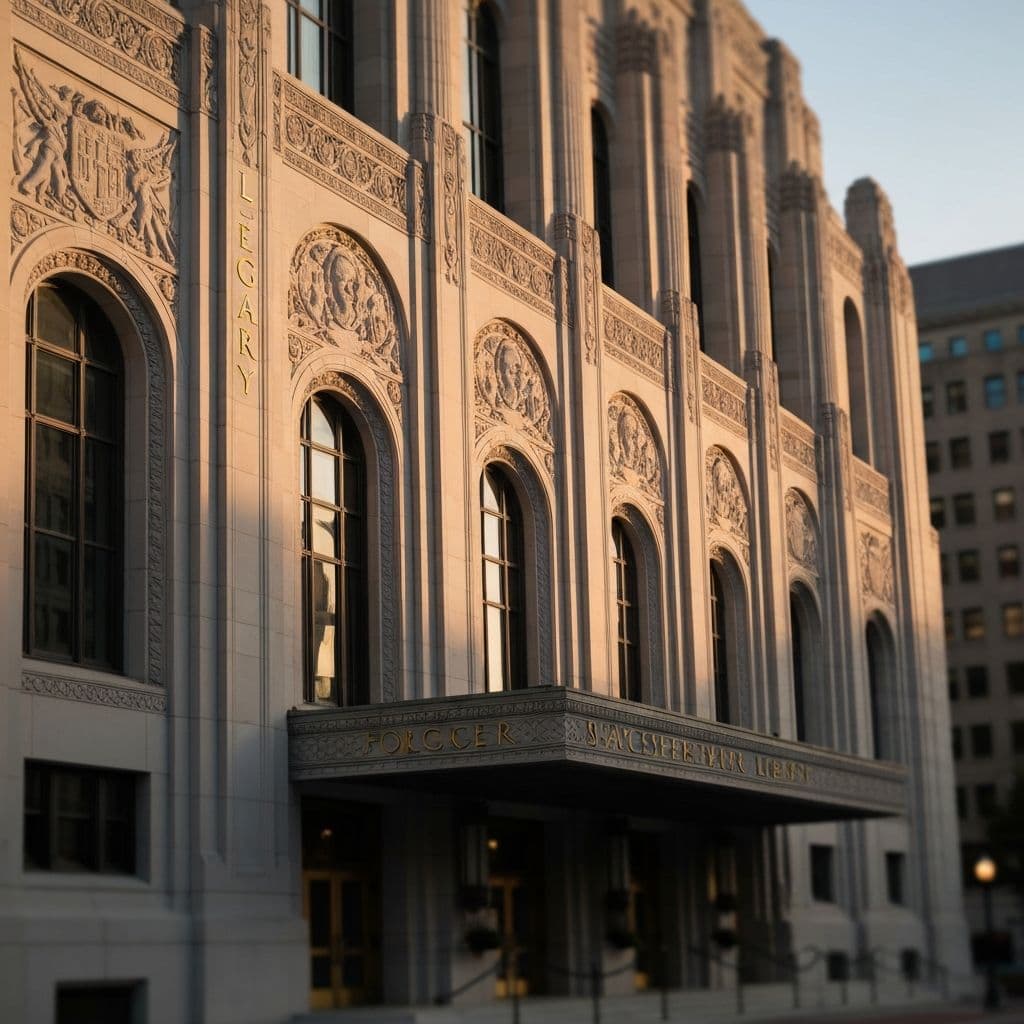
At Landmark Logix, our experience with projects like the Museum of the Bible and the Folger Shakespeare Library has reinforced a consistent truth: the quality of upfront planning directly determines the quality of the outcome.
Starting with Mission Alignment
The first and most critical step in planning a cultural capital project is ensuring that the project scope is genuinely aligned with the institution's mission and strategic plan. This sounds obvious, but in practice, scope creep and aspirational thinking frequently push projects beyond what the institution can realistically fund or operate.
Effective strategic planning for cultural projects involves several essential exercises:
- Needs assessment — documenting current deficiencies and future requirements based on programmatic goals, not architectural ambition
- Capacity analysis — evaluating the institution's organizational and financial capacity to undertake and sustain the proposed project
- Prioritization — distinguishing between what must be done now, what can be phased, and what should be deferred entirely
This disciplined approach prevents the common failure mode where an institution commits to a project it cannot finish or cannot afford to operate once completed.
Understanding the Funding Landscape
Cultural capital projects are typically funded through a combination of sources: donor gifts, grants, institutional reserves, tax-exempt bonds, and sometimes public appropriations. Each funding source carries its own timeline, restrictions, and reporting requirements.
The planning process must account for the reality that funding is rarely secured in full before planning must begin. Experienced project leaders help institutions develop funding strategies that align capital campaign timelines with design and construction schedules. The goal is to avoid two equally damaging outcomes: starting construction before funding is secure, or delaying so long that costs escalate beyond the original estimates.
Procurement and financial management plays a central role here. The right delivery strategy — whether design-bid-build, construction manager at risk, or a negotiated approach — must be matched to the institution's funding timeline and risk tolerance.
Collection and Program Continuity
One of the most significant differences between cultural and commercial construction is the presence of collections, archives, and active programs that must be protected throughout the project. A corporate office renovation may require temporary relocation of staff; a museum renovation requires the safe handling, storage, and potential relocation of priceless artifacts.
Planning for collection continuity involves:
- Environmental controls — maintaining temperature, humidity, and air quality within strict tolerances during construction
- Vibration and dust mitigation — protecting sensitive materials from construction impacts
- Security protocols — ensuring collection security is never compromised, even as construction crews work in proximity
- Phasing strategies — sequencing work to minimize disruption to public programs and exhibitions
These requirements must be identified and budgeted during planning, not discovered during construction. The cost of retrofitting protections after work has begun is always higher — and the risk to collections is unacceptable.
Navigating Regulatory and Preservation Requirements
Many cultural institutions occupy historic buildings or operate within regulatory frameworks that impose additional requirements on capital projects. National Register listings, local landmark designations, Section 106 reviews, and state historic preservation office (SHPO) approvals all add time and complexity to the planning process.
The key is to engage preservation consultants and regulatory agencies early — during the planning phase, not after design is complete. Early engagement accomplishes two things: it identifies constraints that must be incorporated into the project scope, and it builds the relationships and credibility that facilitate smoother review processes later.
Institutions that treat regulatory review as a checkbox exercise rather than a collaborative process consistently experience delays and cost increases.
Building the Right Project Team
Cultural capital projects require project teams with specific experience. General contractors accustomed to commercial office fit-outs may not have the expertise to work in environments with collection sensitivity requirements. Architects without institutional experience may not understand the operational complexities of cultural programming.
During the planning phase, institutions should invest significant effort in defining team qualifications, developing appropriate procurement criteria, and selecting partners who bring relevant experience. This is not about choosing the lowest bidder — it is about assembling a team capable of delivering a project that serves the institution's mission for decades.
The planning phase is also the right time to define the governance structure for the project. Cultural institutions typically have boards, committees, donors, and operational leadership who all have legitimate interests in the project. Establishing clear decision-making authority and communication protocols during planning prevents governance confusion during design and construction.
The Role of Phasing and Sequencing
Many cultural capital projects are too large or too complex to execute in a single phase. Phasing allows institutions to manage financial exposure, maintain partial operations during construction, and adapt scope as conditions evolve.
Effective phasing requires careful analysis during planning:
- Which building systems are interdependent and must be addressed together?
- Which program areas can be temporarily closed without unacceptable impact on the institution's mission?
- How will phasing affect overall project cost, given the inefficiencies of mobilizing and demobilizing multiple times?
The answers to these questions shape the project delivery strategy and directly influence the total project budget and timeline.
Conclusion
Planning a major cultural capital project is an exercise in balancing ambition with discipline. The institutions that achieve the best outcomes are those that invest in thorough, realistic planning before committing to design and construction. They align scope with mission, secure funding strategies before breaking ground, protect collections and programs throughout delivery, and assemble teams with the right experience.
For institutions considering a major capital initiative, the planning phase is not a preliminary step to get through quickly — it is the phase that determines whether the project will succeed. Engaging experienced project leadership at the outset is the most effective investment an institution can make.