
Every campus building depends on infrastructure that almost nobody advocates for. Central heating and cooling plants, electrical distribution, steam and chilled water loops, buried conduit, storm and sanitary systems: none of it is visible, none of it is nameable, and all of it is old on most campuses.
The result is predictable. Buildings get funded and utilities get deferred, until a new project discovers there is no capacity left to serve it.
The Failure Mode Is Discovery, Not Breakdown
Institutions usually imagine the risk here as a failure — a plant outage in January, a main break under the quad. Those happen, and they are expensive.
The more common and more costly failure is quieter: a planned building cannot be served. The chilled water loop has no remaining capacity, the electrical service is at its limit, or the distribution to that part of campus was sized decades ago for a different load. The institution then faces an unbudgeted infrastructure project on the new building's schedule, priced under time pressure, with the building's donor timeline already public.
At that point the infrastructure work costs more than it would have as a planned project, and it delays a project people care about. This is the argument that actually moves leadership, and it is worth making before the situation arises rather than during it.
Build the Capacity Picture First
The foundational document is a current understanding of capacity and condition: what each plant and distribution system can deliver, what it is currently delivering, what remaining headroom exists, and where.
That picture then gets tested against the campus master plan. Every planned building becomes a load. The question is not whether the utilities are adequate today — it is whether they will be adequate for what the institution intends to build, and if not, when the shortfall arrives.
This converts an abstract "the plant is old" conversation into a specific one: the third building in the plan cannot be served without this investment, and this investment takes four years to design and construct. That is a schedule, and schedules get funded in a way that condition assessments do not.
Deferred Utility Maintenance Is Compounding
Underground distribution is the clearest example. A leaking chilled water line wastes energy and water continuously. Failed insulation on steam distribution wastes energy every hour of the heating season. Neither shows up as an incident, so neither generates urgency, and both cost money every day.
The case for addressing them is an operating cost argument as much as a capital one, and it is best made with actual consumption data rather than general claims about efficiency. This is the same logic that applies to deferred maintenance generally — the difference is that utility infrastructure rarely has an internal advocate.
Sequencing Around a Live Campus
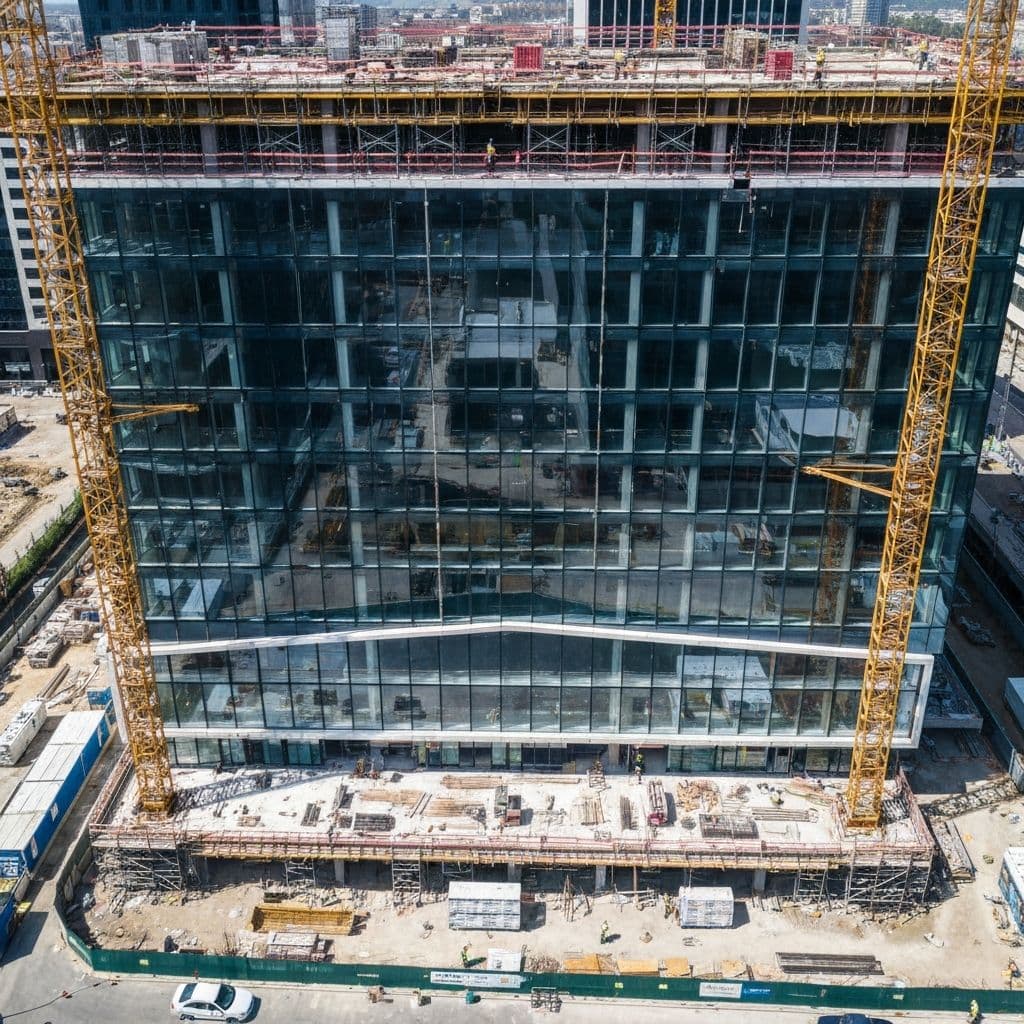
Utility work is disruptive in ways buildings are not, because it happens between buildings and under circulation routes.
Practical constraints that belong in the plan from the start:
- Shutdown windows. Most campuses have limited periods — summer, winter break — when a system serving occupied buildings can come down. Those windows are short and they are shared with every other project.
- Temporary services. Where a shutdown is not tolerable, temporary boilers, chillers, or generators are required. These are real cost and real space, and they need to be in the budget rather than discovered.
- Circulation and access. Trenching across a campus affects pedestrian routes, accessibility, emergency vehicle access, and events. Accessibility routing during construction is a compliance matter, not a courtesy.
- Sequencing against academic calendars. The same calendar constraints that govern building projects govern utility work, with less tolerance for overrun because the affected population is the whole campus.
Funding Strategies That Work
Utility projects rarely attract philanthropy, so they generally rely on institutional funds, debt, energy performance arrangements, or bundling.
Bundling deserves particular attention: attaching necessary distribution upgrades to the building project that requires them makes the infrastructure fundable as part of a project people want. It also puts the true cost of the new building in front of decision-makers, which is uncomfortable but accurate — the building genuinely does cost that much to serve.
Where an institution can measure the operating savings, energy performance structures can carry part of the work. These require rigorous baseline measurement to be credible, and the measurement discipline needs to exist before the contract is signed.
The Planning Posture
Treat utility capacity as a precondition of the capital plan rather than a consequence of it. Concretely:
- Maintain a current capacity and condition picture for each system
- Test every planned building against it and identify when capacity runs out
- Put the resulting infrastructure work in the capital plan on its own timeline
- Bundle distribution upgrades with the projects that trigger them
- Plan shutdown windows and temporary services years ahead, not months
None of this makes utility work exciting. It makes it visible, which is the part that has been missing.