The University Construction Environment
Universities are among the most complex institutional environments for capital project delivery. They are simultaneously educational institutions, research enterprises, residential communities, and, increasingly, economic development engines. A major construction project on campus touches all of these functions, and the expectations of faculty, students, administrators, donors, trustees, and the surrounding community must all be considered.
Despite these complexities, universities build constantly. Campus master plans envision decades of development, and capital programs often include multiple concurrent projects at various stages of planning, design, and construction. The institutions that deliver these programs most effectively are those that have developed — or engaged — disciplined project leadership capable of managing the full scope of university construction complexity.
Starting with the Master Plan
Effective university construction does not begin with a building — it begins with a campus master plan. The master plan establishes the physical vision for the campus over a 10 to 20 year horizon, identifying development sites, infrastructure requirements, circulation patterns, and relationships between academic programs and physical facilities.
Individual construction projects should be evaluated against the master plan to ensure they advance the institution's long-term physical development goals. A new science building, for example, should be sited and designed not just to meet current program needs, but to support future expansion, infrastructure connections, and campus circulation improvements identified in the master plan.
Strategic planning and advisory services help universities translate master plan vision into actionable project scopes that are realistic in terms of budget, schedule, and institutional capacity.
Navigating Academic Governance
University governance structures are notoriously complex. A typical capital project may require approval from:
- The department or school requesting the facility
- The provost or academic leadership
- The facilities or capital planning office
- A board of trustees or regents capital committee
- State higher education coordinating boards (for public institutions)
- Donor representatives (for gift-funded projects)
Each approval point introduces potential delay, scope modification, and political complexity. Project leaders must understand the governance process, anticipate review timelines, and prepare materials that address each stakeholder's specific concerns. A presentation to a board capital committee requires different emphasis than a presentation to faculty stakeholders or donor representatives.
The most successful university projects establish a project governance structure early in planning that defines decision-making authority clearly and minimizes the number of approval gates that can slow progress.
Managing the Academic Calendar
The academic calendar is a defining constraint for university construction. Move-in must align with semester start dates. Disruptive construction activities — demolition, utility shutdowns, heavy equipment operations — must be scheduled during breaks when campus populations are reduced. Program relocations must be completed before classes resume.
These constraints are non-negotiable. A dormitory that is not ready for fall move-in creates a housing crisis. A classroom building that is under construction during the academic year disrupts teaching. A research facility that experiences utility interruptions during active experiments can destroy months or years of work.
Effective project scheduling for university construction must be built around the academic calendar from day one. This often means accepting schedule inefficiencies — such as pausing disruptive work during exam periods — that would not be tolerated in commercial construction.
Donor and Funding Complexity
University capital projects are funded through a mix of sources that creates unique management challenges:
- Donor gifts may come with naming rights, design preferences, and reporting requirements
- Institutional reserves are allocated through competitive internal processes
- State appropriations (for public institutions) follow legislative cycles and may carry specific procurement requirements
- Tax-exempt bonds require compliance with IRS regulations regarding use of facilities
- Federal grants for research facilities carry their own procurement and compliance requirements
Managing multiple funding sources requires rigorous financial tracking and reporting. Each source may have different allowable costs, different audit requirements, and different timelines for fund availability. Procurement and financial management must account for these complexities from the project's outset.
Projects that fail to align their delivery schedules with funding availability frequently experience cash flow problems that create construction delays and contractor disputes.
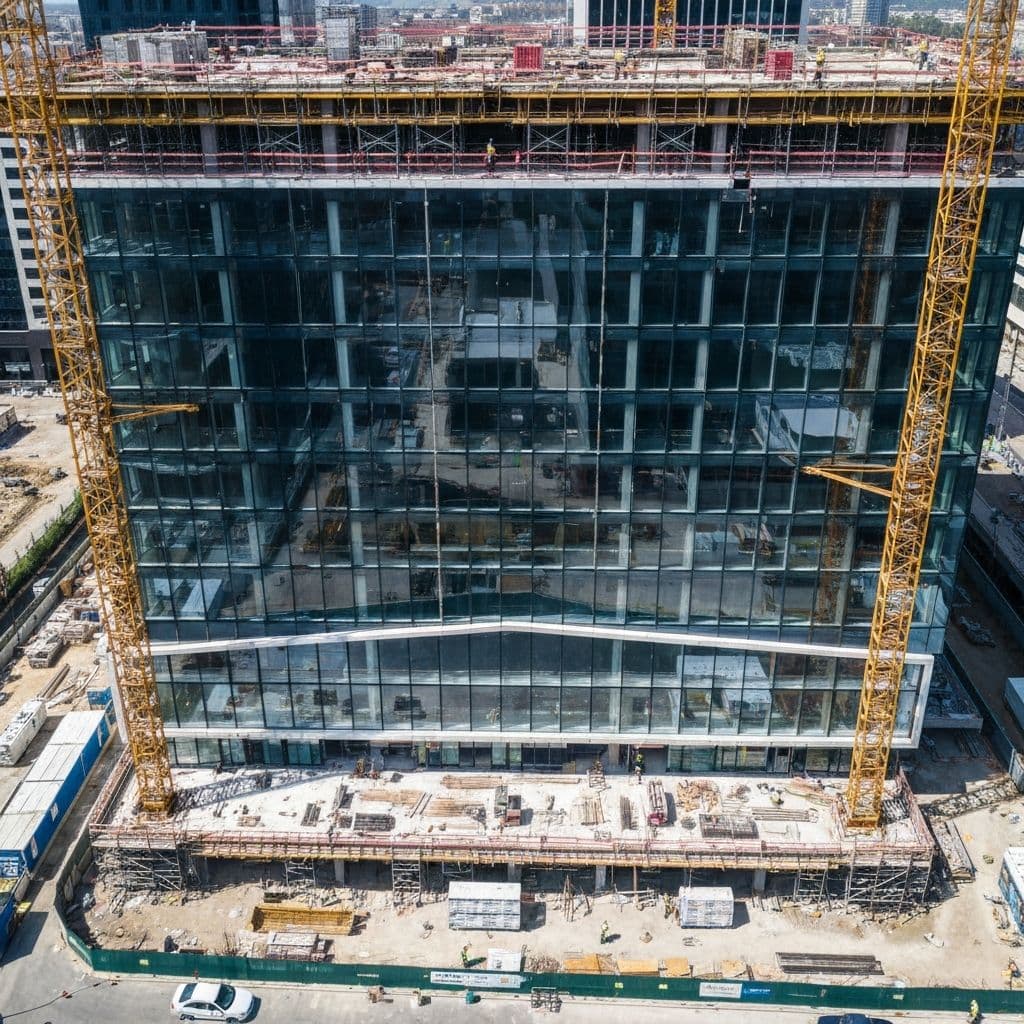
Construction on an Active Campus
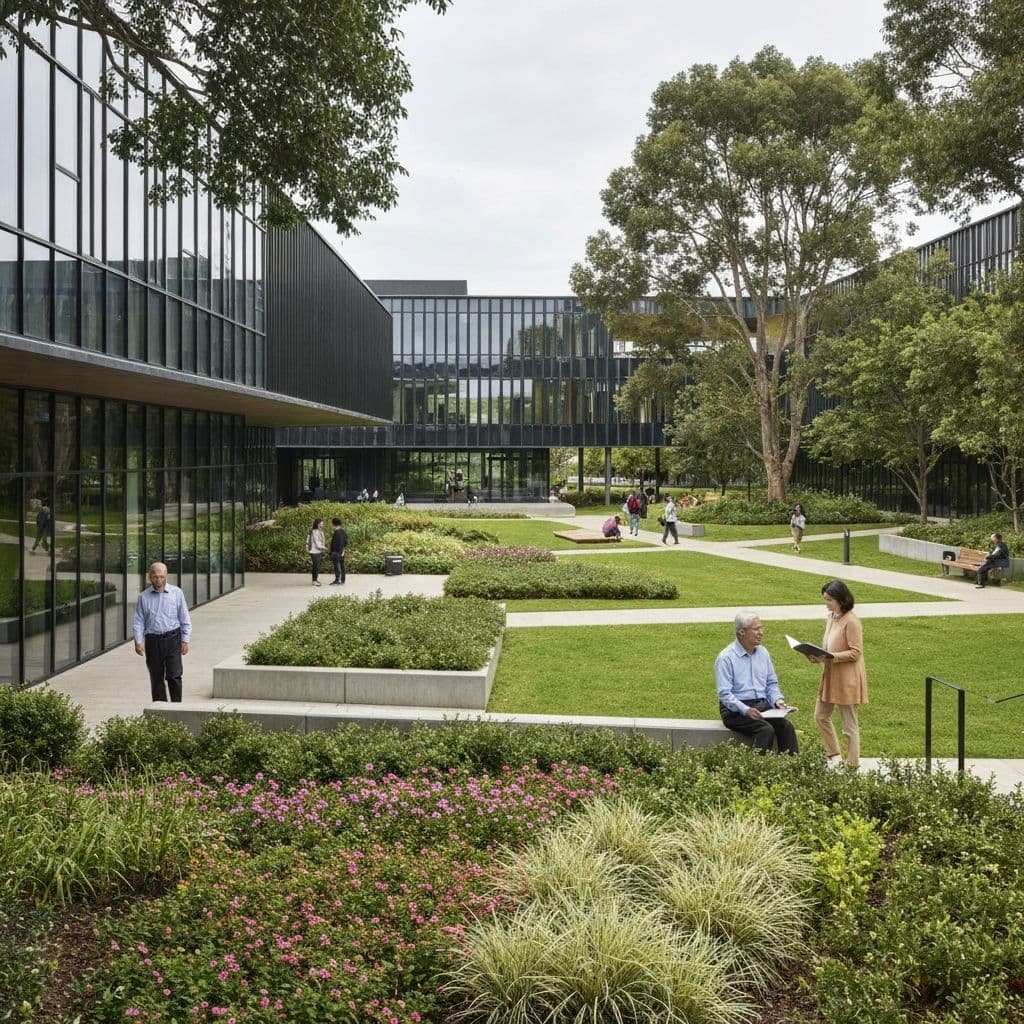
Building on an active campus is fundamentally different from building on a greenfield site. Construction activities must coexist with:
- Pedestrian traffic from students, faculty, and visitors
- Active academic programs in adjacent buildings
- Research operations with sensitivity to vibration, dust, or utility interruption
- Residential communities with expectations for noise control and safety
- Events, athletics, and campus activities that follow their own schedules
Construction management and quality control for campus projects must address these operational constraints through detailed logistics planning, communication protocols with campus stakeholders, and construction methodologies that minimize disruption.
Successful campus construction also requires an effective campus liaison function — a designated point of contact who coordinates between the construction team and the university's operations, security, facilities, and academic departments. Without this coordination, minor construction impacts can escalate into major institutional complaints.
Technology and Research Facility Complexity
University construction increasingly involves highly specialized facilities — research laboratories, data centers, simulation environments, and maker spaces — that require building systems far more complex than standard academic construction. These facilities may need:
- Specialized HVAC systems with precise temperature and humidity control
- Vibration isolation for sensitive instruments
- Enhanced electrical systems for high-power research equipment
- Chemical waste handling and containment systems
- Cybersecurity-compliant network infrastructure
The design and construction of these facilities requires consultants and contractors with specific technical expertise. The procurement process must be structured to attract qualified teams, not just the lowest bidders.
Sustainability and Institutional Values
Universities are increasingly committed to sustainability in their capital programs. Many institutions have adopted carbon neutrality goals, LEED certification requirements, or specific performance standards for new construction. These commitments affect project scope, cost, and design complexity.
Sustainability goals must be integrated into project planning from the outset, not added as afterthoughts during design. Early integration allows the project team to identify cost-effective sustainability strategies and avoid the premium costs associated with retrofitting green features into a conventional design.
Lessons for Effective University Construction
The universities that deliver capital programs most effectively share several common practices:
They invest in planning. Comprehensive programming, realistic budgeting, and thorough due diligence before design begins consistently produce better outcomes than rushing to construction.
They establish clear governance. Decision-making authority is defined, communication protocols are established, and stakeholder management is treated as a project function, not an afterthought.
They respect the calendar. Project schedules are built around academic constraints, and milestones are set with realistic allowances for university decision-making processes.
They engage experienced project leadership. Whether through internal staff or external advisors, they ensure that dedicated professionals with education sector experience are managing their capital programs.
Conclusion
University construction is a specialized discipline that rewards institutions willing to invest in rigorous planning and experienced project leadership. The complexity of academic governance, campus operations, and multi-source funding demands an approach that goes well beyond conventional construction management. For institutions planning their next major campus project, the foundation for success is laid long before the first shovel hits the ground.