Beyond the Visible Scope
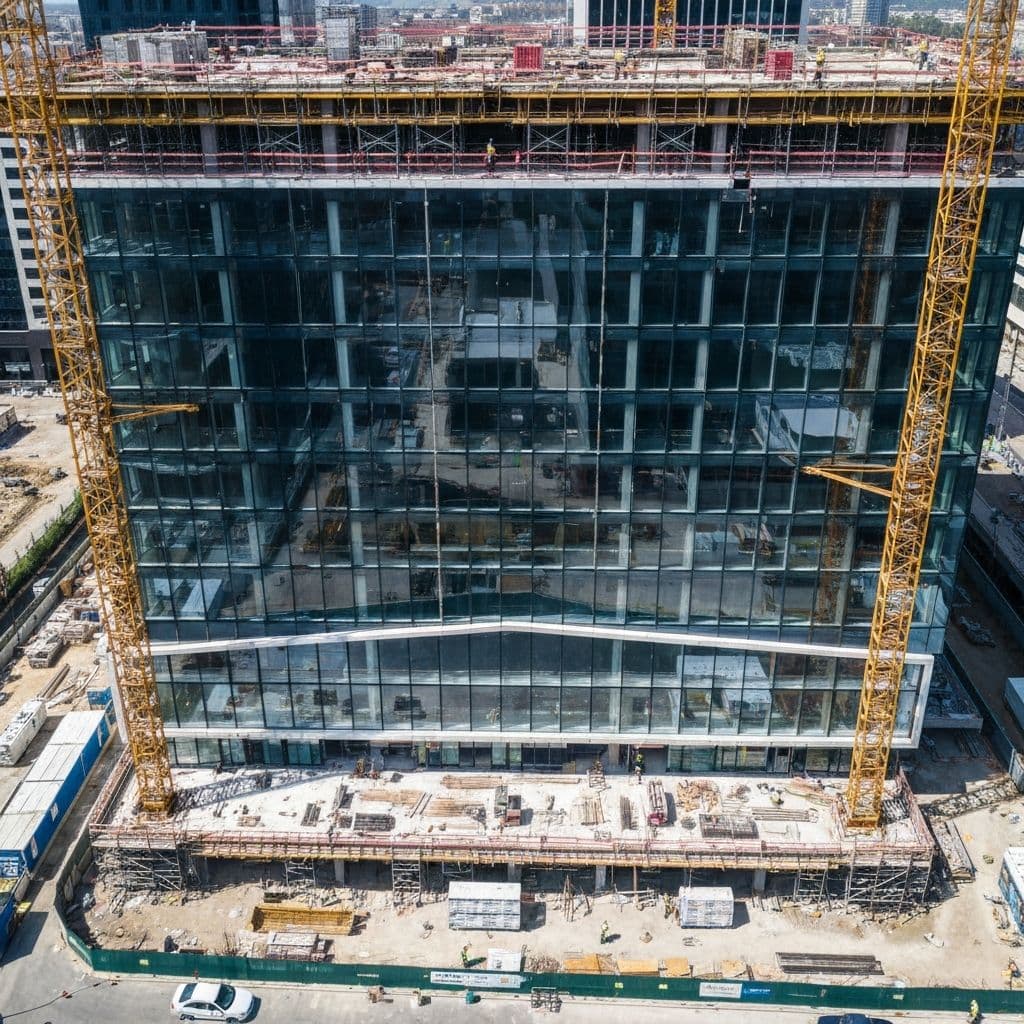
When an institution announces a museum renovation, the public sees the finished product — new galleries, improved visitor amenities, updated exhibition technology. What remains invisible is the extraordinary complexity involved in reaching that outcome. Museum renovations are not simply building renovations that happen to contain art. They are among the most demanding construction projects in the institutional sector, requiring the simultaneous management of collection safety, environmental controls, security systems, exhibition technology, public access, and — often — historic preservation requirements.
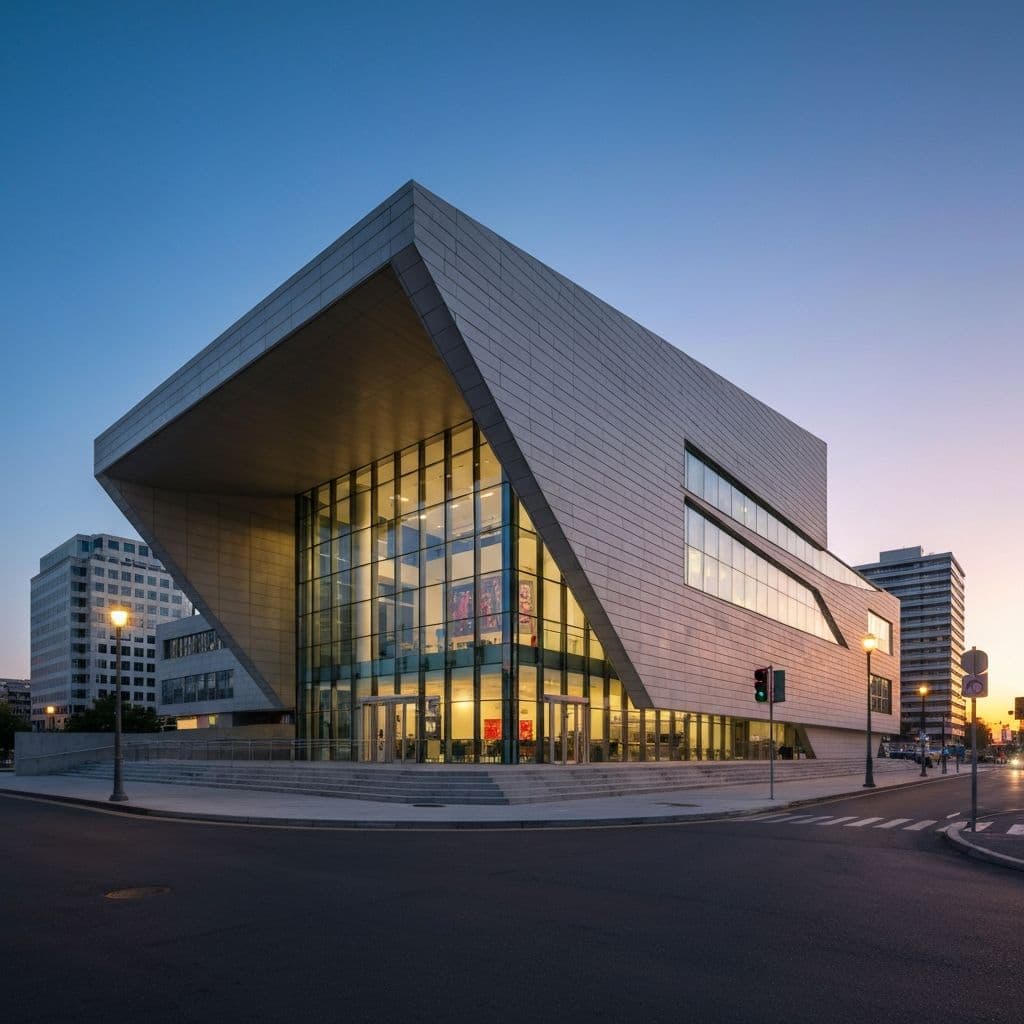
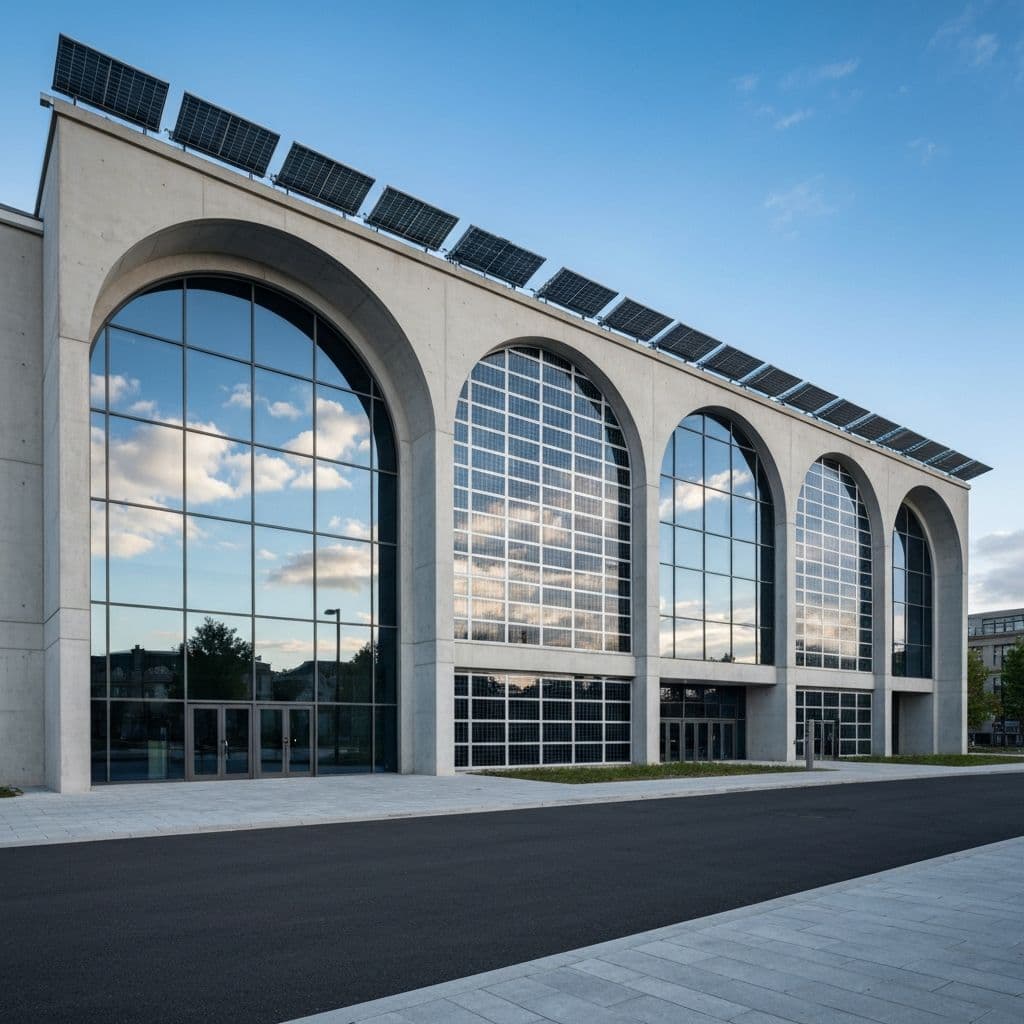
Our experience with projects including the Museum of the Bible and the Amherst College Exhibition Hall has shown us that the complexity hidden beneath the surface of museum renovation work is what determines whether a project succeeds or struggles.
Collection Protection: The Non-Negotiable Constraint
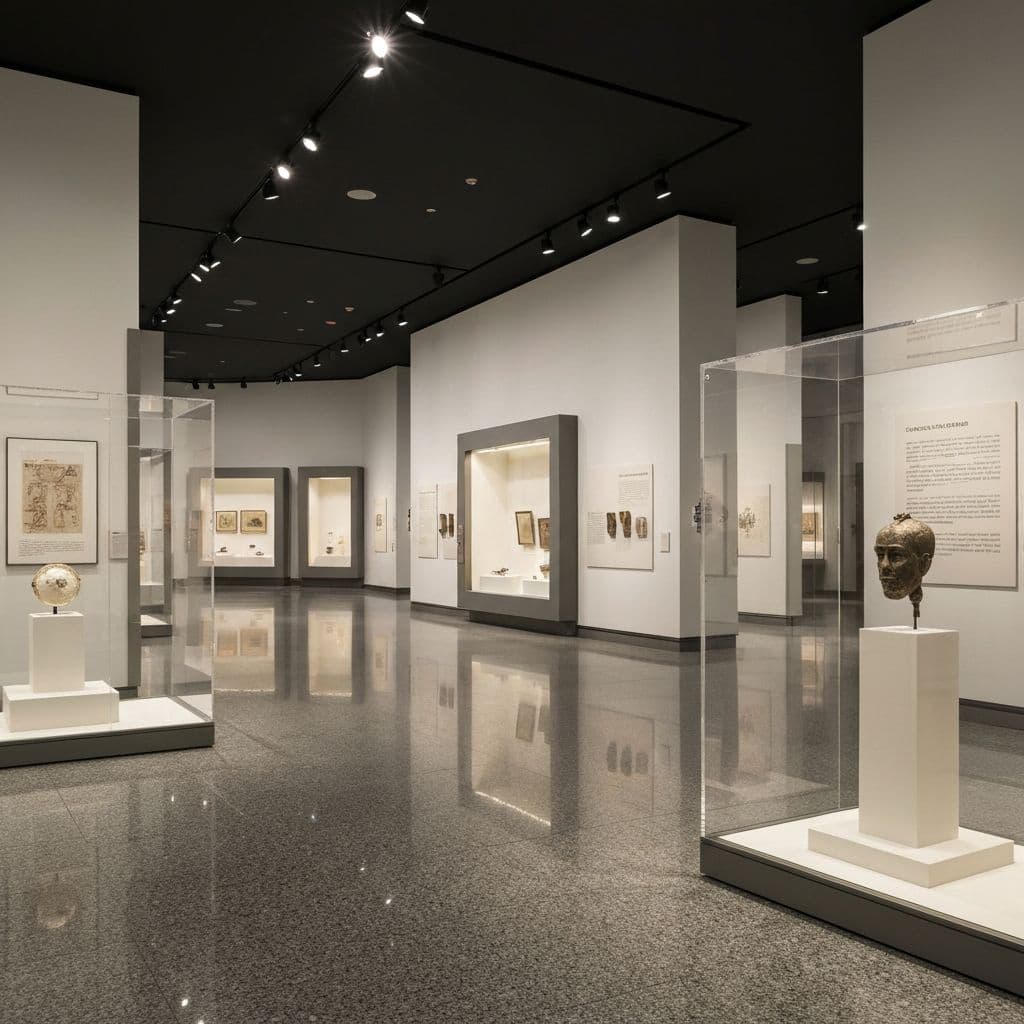
The defining characteristic of museum construction is the presence of collections that are irreplaceable. Whether the collection includes rare manuscripts, fine art, natural history specimens, or cultural artifacts, the obligation to protect these materials during construction is absolute. There is no acceptable level of collection loss due to construction activity.
This obligation shapes every aspect of the construction process:
Environmental continuity. Museum collections require stable environmental conditions — typically 70 degrees Fahrenheit and 50% relative humidity, with very narrow tolerances for variation. Construction activities that interrupt HVAC systems, introduce dust, or alter building envelope performance can create conditions that damage sensitive materials. The construction plan must ensure that environmental controls remain operational in collection areas throughout the project, even when adjacent areas are under active renovation.
Vibration control. Construction activities — particularly demolition, pile driving, and heavy equipment operation — generate vibration that can damage fragile objects. Vibration monitoring must be implemented in collection areas, with pre-established thresholds that trigger work stoppages if exceeded.
Dust and particulate management. Construction dust is a persistent threat to collections. Negative air pressure containment, sealed barriers between construction and collection zones, and enhanced filtration on HVAC systems serving collection areas are standard precautions. Their implementation must be monitored continuously, not just during initial setup.
Security maintenance. Museum security systems — access control, surveillance, intrusion detection — must remain operational in collection areas even as construction activity creates temporary openings, altered circulation patterns, and increased personnel access. The security plan must be revised and implemented before construction begins, not adapted on the fly.
The Exhibition Technology Layer
Modern museum renovations increasingly involve sophisticated exhibition technology — interactive displays, projection systems, environmental simulation, audio systems, and digital content management. This technology layer adds a dimension of complexity that traditional construction teams may not be equipped to manage.
Exhibition technology systems must be integrated with the building's electrical, data, and HVAC infrastructure. They require coordination between exhibition designers, technology vendors, general contractors, and the museum's curatorial and IT staff. The installation sequence must be carefully planned to avoid damage to delicate equipment during ongoing construction activities.
Design and regulatory management for museum projects must account for the fact that exhibition design often operates on a different timeline than building design. Gallery layouts and exhibition concepts may not be finalized until well after the building's core and shell design is complete. The construction documents must accommodate this flexibility without creating open-ended scope that undermines budget control.
Phasing and Operational Continuity
Many museum renovations must be completed while the institution remains partially open to the public. Complete closure sacrifices revenue, public engagement, and institutional momentum. Partial closure allows continued operations but introduces enormous complexity into the construction process.
Phased renovation requires:
- Clear demarcation between construction zones and public areas, with appropriate life safety separations
- Visitor circulation planning that maintains an acceptable visitor experience despite reduced gallery access
- Revenue impact analysis to understand the financial implications of each phasing option
- Collection movement logistics that safely relocate objects between galleries as renovation phases progress
- Staff relocation plans for museum departments displaced by construction activity
Each phasing decision involves tradeoffs between construction efficiency, visitor experience, collection safety, and project cost. These tradeoffs must be evaluated rigorously during planning, with input from curatorial, operations, marketing, and construction professionals.
Historic Building Challenges
Many museums occupy historic buildings that introduce additional complexity. Historic structures may have:
- Structural systems with limited load capacity for modern exhibition requirements
- Building envelopes that do not meet current energy or moisture management standards
- Character-defining features that must be preserved even when they conflict with functional requirements
- Original building systems that are integrated with the historic fabric and cannot be easily replaced
Working within historic buildings requires construction management teams with specific experience in careful renovation techniques. Standard demolition and construction methods may not be appropriate. Selective demolition, hand removal of materials, and custom fabrication to match historic details are common requirements that affect both cost and schedule.
Regulatory and Compliance Complexity
Museum renovations frequently involve multiple regulatory frameworks:
- Building codes that may require full compliance for major renovations, including accessibility upgrades, fire protection improvements, and structural seismic retrofits
- Historic preservation regulations that constrain material choices, design approaches, and construction methods
- Museum accreditation standards that set requirements for collection storage, environmental controls, and security
- Insurance requirements that may impose conditions on construction activities near collections
Navigating these overlapping requirements demands experienced project leadership that understands not just each requirement individually, but how they interact and where conflicts must be resolved.
The Importance of Commissioning
Museum building systems — particularly HVAC, humidification, and fire suppression — must perform within very tight tolerances. Standard construction quality assurance is insufficient. Museum renovation projects require comprehensive commissioning that verifies system performance under actual operating conditions, including seasonal variations and varying occupancy loads.
Commissioning should begin during the design phase with the development of commissioning specifications and continue through construction, startup, and a post-occupancy performance verification period. For museum environments, this extended commissioning period is not a luxury — it is a necessity to ensure collection safety.
Conclusion
The hidden complexity of museum renovation projects is what makes them both challenging and rewarding. Institutions that recognize this complexity — and invest in project leadership experienced in cultural sector construction — achieve outcomes that protect their collections, serve their visitors, and advance their missions. Those that underestimate the complexity often face budget overruns, schedule delays, and, in the worst cases, collection damage that could have been prevented.
For cultural institutions planning a renovation, the most important first step is honest assessment of the project's true complexity — and selection of a project team with the experience to manage it. We are here to help.