Landmark Logix
About
Services
  • Strategic Planning & Advisory
  • Design & Regulatory Management
  • Procurement & Financial Management
  • Contract Administration & Risk Management
  • Construction Management & Quality Control
  • Technology Integration & Project Transition
  • Operations Optimization
Sectors
  • Education & Research
  • Sports & Athletics
  • Cultural & Arts
  • Hospitality & Tourism
  • Entertainment & Leisure
  • Other Sectors
ProjectsProcessInsightsContact
How to Select an Owner's Representative: A Practical Guide for Institutions
Back to InsightsCapital Planning

How to Select an Owner's Representative: A Practical Guide for Institutions

Most institutions select an owner's representative once a decade — and the RFPs show it. A practical guide to scoping, soliciting, and evaluating owner-side representation before a capital project locks in its risks.

David ConineAugust 5, 20263 min read

Start With Timing, Not the RFP

The most consequential selection decision is when to make it. An owner's representative engaged during feasibility shapes the budget, the delivery method, and the contracts that determine the owner's leverage for years. One engaged after the construction manager is under contract inherits decisions they would have negotiated differently — and so does the owner.

The right moment is before the project is fully defined: when the institution knows it intends to build but has not yet committed capital, selected a delivery method, or signed its major agreements. If you are unsure what the role covers at each stage, What Owner Representation Actually Means in Construction and our FAQ cover the foundations.

Scope the Role Before You Solicit

Weak RFPs describe a body ("provide project management support"); strong ones describe outcomes. Before soliciting, decide:

  • Duration. Planning through closeout? Through the first year of operation? The transition period is where much of the value is won or lost — include it deliberately.
  • Authority. What does the rep review, what do they approve, and what goes to leadership? Ambiguity here becomes conflict later.
  • Interfaces. How the rep works with internal facilities staff, the board or building committee, and any consultants already engaged.
  • Reporting. Who receives what, how often, and in what form. If the answer is "monthly meetings," expect to be surprised by your own project.

What to Ask For in the RFP

Six requests that separate serious owner-side firms from staffing agencies with new letterhead:

  1. Directly relevant institutional experience. Not construction experience generally — owner-side representation for institutions like yours, at comparable scale and complexity.
  2. The actual people. Named individuals, their project histories, and a commitment that the team proposed is the team assigned. Bait-and-switch staffing is the industry's most common failure.
  3. A sample deliverable. A real (redacted) monthly report or cost log tells you more about how a firm thinks than any narrative section.
  4. Their approach to a live scenario. Give them one — a contractor claiming schedule relief, a contingency trending toward exhaustion — and ask how they would handle it. Judgment is visible in specifics.
  5. Independence disclosures. Financial or repeat-work relationships with contractors and architects likely to pursue your project.
  6. A fee structure that matches the phases. Owner's rep fees typically run a small percentage of project cost, structured by phase — heavier in planning and closeout than mid-construction. Pricing far below the field usually means junior staff or a thin scope; evaluate what is being staffed, not just the number.

Evaluate Like a Fiduciary Hire

Score the responses the way you would score a fiduciary, because that is what you are buying:

  • Weight judgment over process. Every firm has dashboards and templates. Ask each finalist to describe a project that went wrong and what they did — the answer reveals whether you are buying experience or software.
  • Interview the assigned lead, alone. Principals sell; assigned staff deliver. Make sure the person in the interviews is the person in your job trailer.
  • Check the hard references. Ask references the uncomfortable questions: Where did the rep push back on you, the owner? What did they catch that would have cost you? Would you hire the same individuals again?
  • Watch for the red flags: reluctance to name the team; oversight experience that is really contractor-side experience relabeled; a proposal that never mentions your contracts; fees quoted without a defined scope; any suggestion that independence is negotiable.

A structured procurement process — clear criteria, weighted scoring, documented rationale — matters doubly for public and mission-driven institutions, where the selection itself must survive scrutiny.

After Selection: Set the Role Up to Work

Three moves in the first month determine whether representation delivers:

  • Contract for candor. Give the rep a direct reporting line to leadership — not routed exclusively through the staff whose decisions they may need to question.
  • Bring them into procurement immediately. The delivery-method decision and the CM contract negotiation are the highest-leverage weeks of the entire engagement. (On why that seat matters, see Owner's Representative vs. Construction Manager.)
  • Agree on the governance cadence. Decision logs, budget reporting, escalation thresholds — established before the pressure starts, not during it.

Institutions get one chance to set up oversight on a generational project. The firms competing for your construction contract are selected carefully and negotiated hard. The party whose only job is protecting you deserves at least the same rigor.


Share

Key Takeaway

Select an owner's representative the way you would select a fiduciary, not a vendor: engage early, weight judgment and independence over headcount and hourly rates, and check references on projects that went wrong — not just the ones that went well.

More Insights

Continue exploring practical perspectives on project leadership and delivery.

Owner's Representative vs. Commissioning Agent: Different Roles, Same Side of the Table
Technology & Transition·3 min read

Owner's Representative vs. Commissioning Agent: Different Roles, Same Side of the Table

Both the owner's representative and the commissioning agent work for the owner — but one verifies that building systems perform, while the other makes sure the entire project does. Owners who conflate them usually end up missing one.

Read article
Owner's Representative vs. Project Manager: What's the Difference?
Project Delivery·3 min read

Owner's Representative vs. Project Manager: What's the Difference?

Every capital project has project managers — the architect has one, the contractor has one, sometimes the owner hires one too. What most projects lack is the one role defined by allegiance rather than tasks: the owner's representative.

Read article
Owner's Representative vs. Construction Manager: Who Actually Protects the Owner?
Owner Representation·3 min read

Owner's Representative vs. Construction Manager: Who Actually Protects the Owner?

Owners often assume a construction manager fills the oversight role an owner's representative plays. The two roles sit on opposite sides of the table — and confusing them is one of the most expensive mistakes an institution can make.

Read article
View All Insights

Related Services

Explore Landmark Logix services relevant to the topics discussed in this article.

Strategic Planning & Advisory

Owner's representation, feasibility assessment, governance frameworks, and stakeholder alignment — establishing the strategic foundation for complex projects.

Learn more

Procurement & Financial Management

Strategic procurement, financial oversight, and budget controls that protect owner capital and hold vendors accountable throughout delivery.

Learn more
View All Services

Related Sectors

Explore sectors where the insights discussed in this article are most applicable.

Education & Research sector

Education & Research

Academic institutions and research facilities designed for innovation and learning.

Explore sector
Civic & Government sector

Civic & Government

Public facilities and government buildings serving communities with distinction.

Explore sector
Cultural & Arts sector

Cultural & Arts

Museums, theaters, and cultural centers that enrich communities and preserve heritage.

Explore sector
View All Sectors

Related Projects

Projects where Landmark Logix applied the approaches discussed in this article.

Museum of the Bible
Project

Museum of the Bible

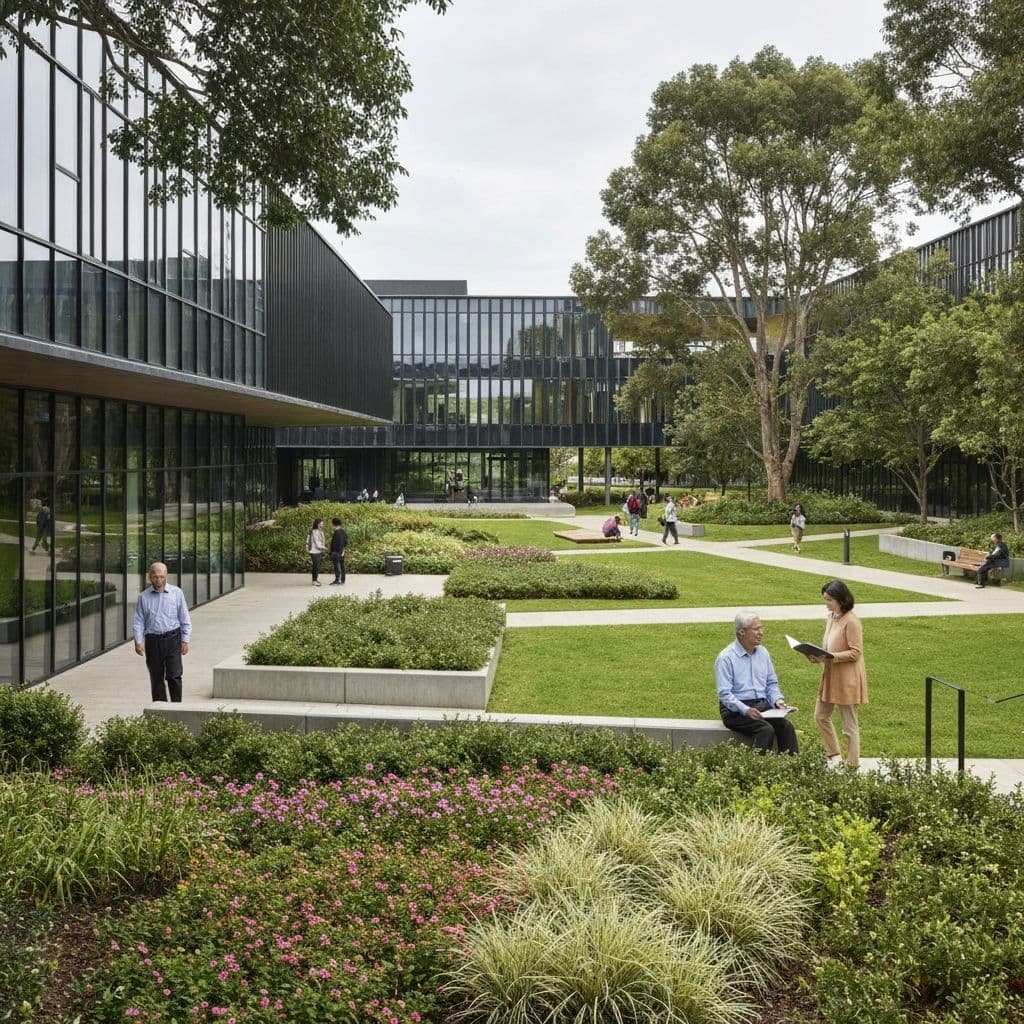
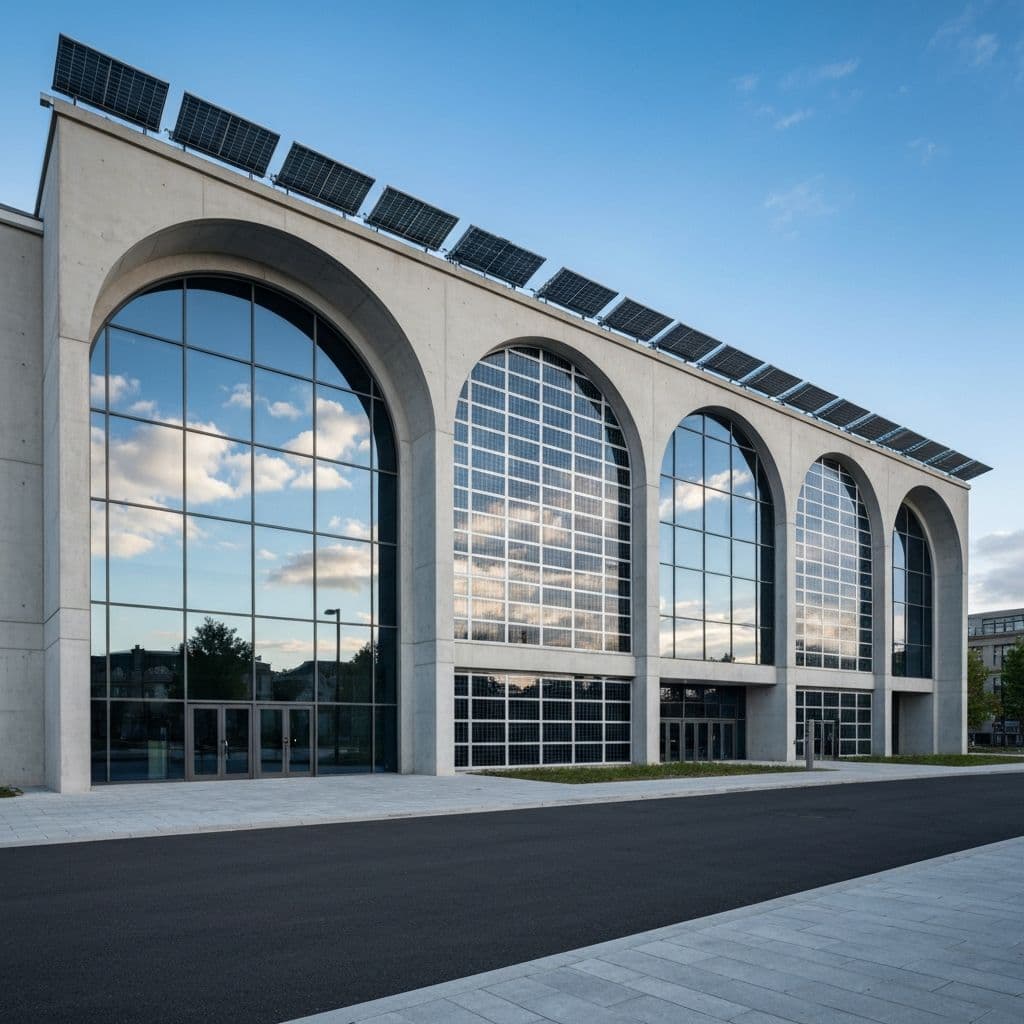
Case study of the Museum of the Bible project in Washington, DC — a 430,000-square-foot museum developed through the adaptive reuse of a historic building. Landmark Logix provided owner's representation and project leadership.

Learn more

Ready to discuss your project?

Landmark Logix provides experienced owner-side leadership for complex capital projects. Let's explore how we can support your goals.

Discuss Your Project
Landmark Logix

Owner-side project leadership for complex capital projects requiring structure, coordination, and disciplined oversight.

Services

  • Services Overview
  • Strategic Planning & Advisory
  • Design & Regulatory Management
  • Procurement & Financial Management
  • Contract Administration & Risk Management
  • Construction Management & Quality Control
  • Technology Integration & Project Transition
  • Operations Optimization

Portfolio

  • Projects
  • Insights
  • FAQ

Sectors

  • Education & Research
  • Sports & Athletics
  • Cultural & Arts
  • Mixed-Use Development
  • Civic & Government
  • All Sectors

Contact

  • (202) 643-5467
  • info@landmarklogix.com
  • Alexandria, VA

Occasional insights on project leadership, planning, and complex capital delivery.

You can unsubscribe at any time. See our Privacy Policy.

© 2026 Landmark Logix. All rights reserved.

Privacy PolicyTerms of ServiceSite MapDelete My Data