The Intersection of Preservation and Renovation
Renovating a historic building is fundamentally different from renovating a modern one. Beyond the structural and systems challenges that come with any older building, historic properties carry legal, regulatory, and cultural obligations that shape every aspect of the project. These obligations are not optional — they are conditions of the building's designation and, in many cases, conditions of the funding that supports the work.
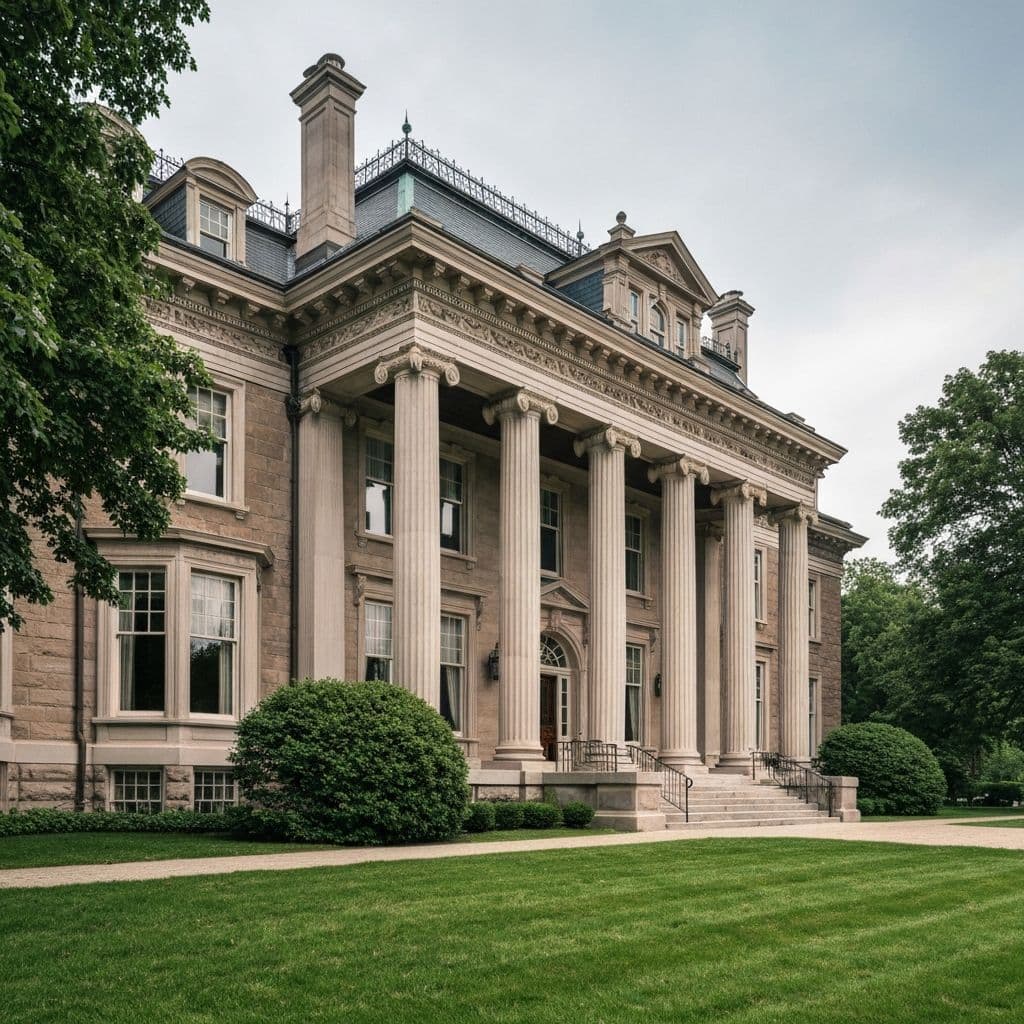
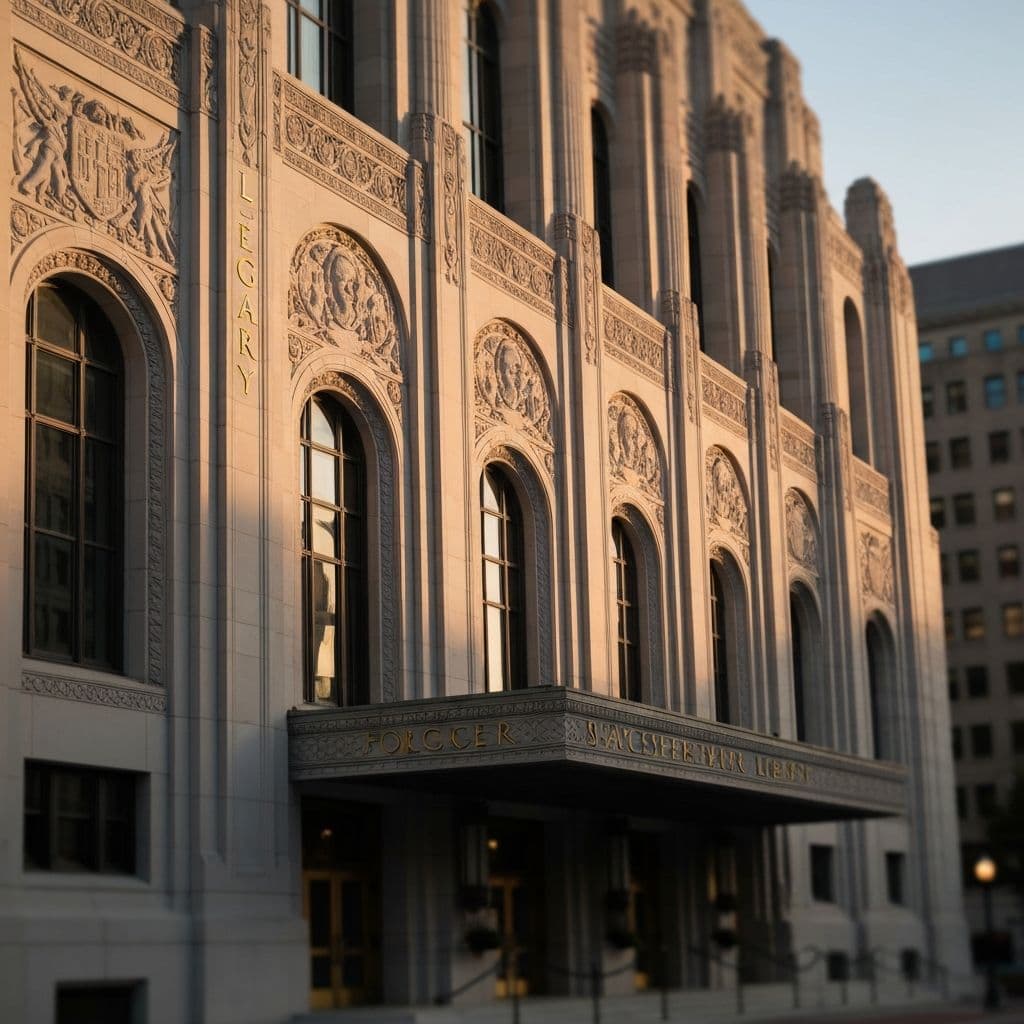
For institutions like the Folger Shakespeare Library or Dumbarton Oaks, preservation requirements are not barriers to renovation — they are integral to the project's purpose. The challenge is managing these requirements in a way that supports rather than undermines the project's goals.
Understanding the Regulatory Framework
Historic preservation in the United States operates through a layered system of federal, state, and local regulations. Depending on a building's designation and the project's funding sources, multiple regulatory frameworks may apply simultaneously.
Federal protections apply to properties listed on or eligible for the National Register of Historic Places. Projects involving federal funding, permits, or licenses trigger Section 106 review under the National Historic Preservation Act, which requires consultation with the State Historic Preservation Office (SHPO) and potentially other consulting parties.
State and local designations may impose additional requirements, including design review by local historic preservation commissions. These reviews can affect everything from exterior material choices to window configurations to rooftop mechanical equipment visibility.
Tax credit programs — both federal and state — provide financial incentives for qualified rehabilitation work, but they impose strict standards based on the Secretary of the Interior's Standards for Rehabilitation. Projects that deviate from these standards risk losing tax credit eligibility, which can have significant financial consequences.
Understanding which regulations apply and how they interact is a critical first step in design and regulatory management. Failing to identify applicable requirements early in planning is one of the most common sources of delay and cost overrun in historic renovation projects.
The Critical Importance of Building Assessment
Historic buildings hold secrets. Behind finished surfaces, above ceilings, and below floors lie conditions that may not have been documented in decades — or ever. Original construction materials, previous renovation work, environmental hazards, and structural modifications all affect the scope and cost of renovation.
Thorough building assessment before design begins is not a luxury — it is the single most effective risk reduction strategy available. Assessment should include:
- Structural investigation — load-bearing capacity, foundation conditions, structural modifications over time
- Environmental survey — asbestos, lead paint, PCBs, and other hazardous materials common in pre-1980 construction
- Building systems evaluation — mechanical, electrical, plumbing, and fire protection systems, including remaining useful life and code compliance
- Architectural documentation — recording existing conditions, original materials, and character-defining features that must be preserved
- Moisture and envelope analysis — identifying water infiltration pathways and envelope deficiencies
Each of these investigations informs both the design approach and the preservation strategy. The cost of comprehensive assessment is typically 1-2% of project cost — a fraction of the contingency savings it enables by reducing unforeseen conditions during construction.
Integrating Preservation into Project Delivery
The most effective approach to preservation requirements is to integrate them into the project delivery process rather than treating them as a separate compliance exercise. This means:
Early Preservation Agency Engagement
Begin consultation with SHPO and local preservation commissions during the conceptual design phase. Present preliminary concepts, solicit feedback, and establish a collaborative working relationship. Agencies that feel included in the process are more likely to support creative solutions; agencies that are presented with completed designs feel compelled to assert their authority.
Preservation-Informed Design
The design team must understand preservation constraints as design parameters, not afterthoughts. This requires either architects with demonstrated historic preservation experience or a preservation consultant who works as an integral member of the design team. The Secretary of the Interior's Standards are interpretive, not prescriptive — experienced practitioners understand the range of acceptable approaches.
Construction Methodology Planning
Historic renovation often requires construction methodologies that differ from standard practice. Selective demolition must be performed carefully to protect adjacent historic materials. New systems must be routed through buildings without damaging character-defining features. Temporary protections must safeguard historic elements during active construction.
Construction management for historic projects demands contractors with specific experience. General contractors accustomed to new construction may lack the skill sets — and the temperament — for the careful, deliberate work that historic buildings require.
Documentation Throughout
Preservation agencies and tax credit programs require thorough documentation of existing conditions, work in progress, and completed rehabilitation. This documentation must be planned and budgeted from the project's outset. Retroactive documentation is expensive, incomplete, and often insufficient for regulatory compliance.
Common Pitfalls and How to Avoid Them
Several recurring mistakes derail historic renovation projects:
Underestimating review timelines. Preservation agency review adds weeks or months to design schedules. Projects that fail to account for this consistently experience delays. Build agency review periods into the project schedule from day one.
Treating preservation as adversarial. Some project teams view preservation requirements as obstacles to be overcome. This mindset creates friction with regulatory agencies and often leads to worse outcomes than a collaborative approach would achieve.
Insufficient contingency. Historic renovation projects should carry contingency budgets of 15-20%, reflecting the higher probability of unforeseen conditions compared to new construction. Projects budgeted with standard 5-10% contingency frequently exhaust their reserves before completion.
Late discovery of designation status. Occasionally, project teams discover mid-project that a building has preservation protections they were not aware of. This is entirely avoidable through proper due diligence during planning.
Balancing Preservation with Modern Performance
The most challenging aspect of historic renovation is achieving modern performance standards — energy efficiency, accessibility, life safety, environmental quality — within buildings that were not designed for them. This balancing act requires creative problem-solving and, often, negotiation with both preservation and code authorities.
Successful projects find solutions that satisfy both preservation and performance objectives. Exterior windows can be fitted with interior storm panels that improve thermal performance without altering the historic appearance. Accessibility ramps can be designed as reversible additions that do not permanently alter the historic structure. Mechanical systems can be routed through service areas to minimize visual impact on significant spaces.
These solutions require investment in design and engineering, but they demonstrate that preservation and modernization are not inherently in conflict.
Conclusion
Managing historic preservation requirements during renovation is complex, but it is not unpredictable. The challenges are well-understood, the regulatory frameworks are established, and the strategies for success are proven. What separates successful historic renovation projects from troubled ones is not luck — it is disciplined planning, early agency engagement, thorough building assessment, and experienced project leadership.
For institutions stewarding historic properties, the investment in getting this right protects both the building's heritage and the organization's financial interests. Reach out to our team to discuss how experienced project leadership can help navigate the complexities of your next historic renovation.