
The Reality of Occupied Construction
Most institutional construction involves buildings that are already in use. Universities renovate academic buildings between semesters. Museums upgrade galleries while remaining partially open. Hotels refresh their properties floor by floor to avoid closing entirely. Government offices modernize systems without shutting down public services.
In each case, the institution has made a deliberate decision: the disruption of continued operations during construction is preferable to the disruption — and cost — of full closure. This decision is almost always correct from a business and mission perspective. But it fundamentally changes the project delivery equation.
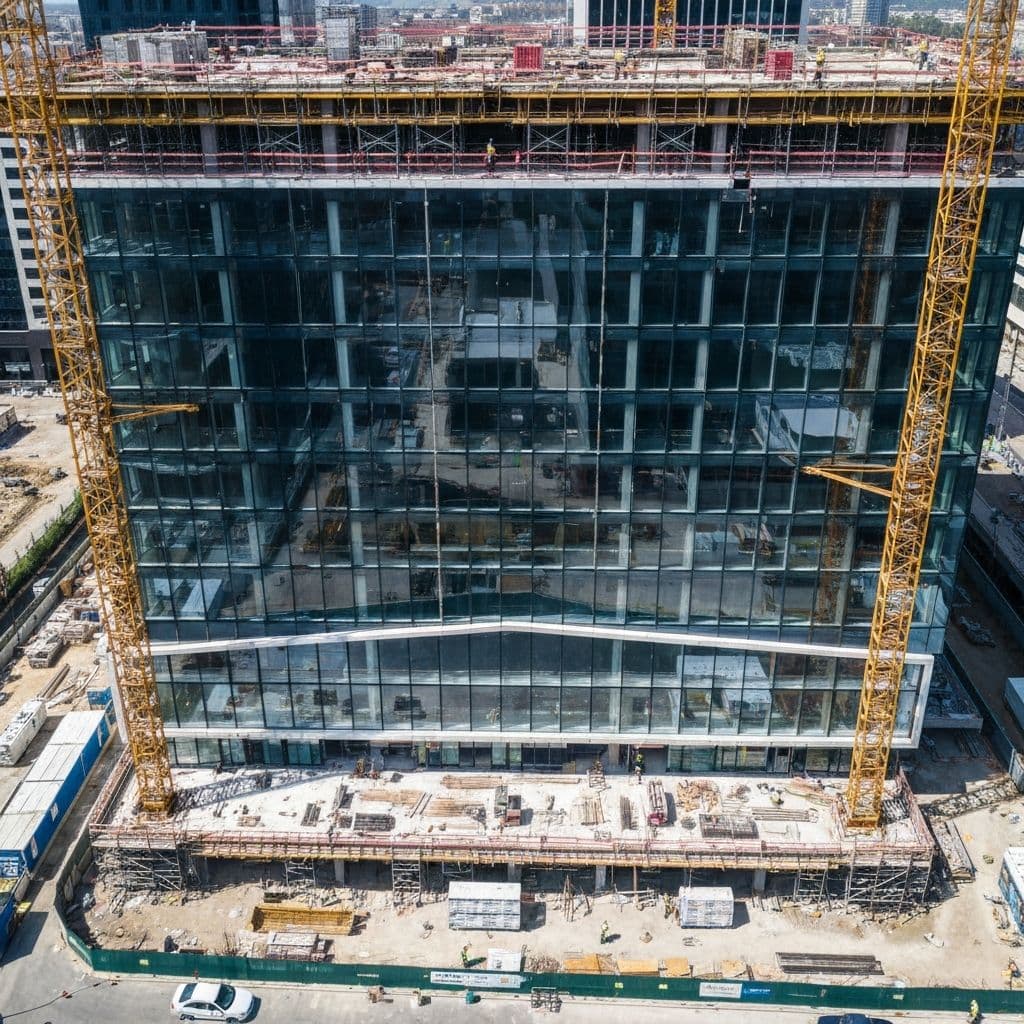
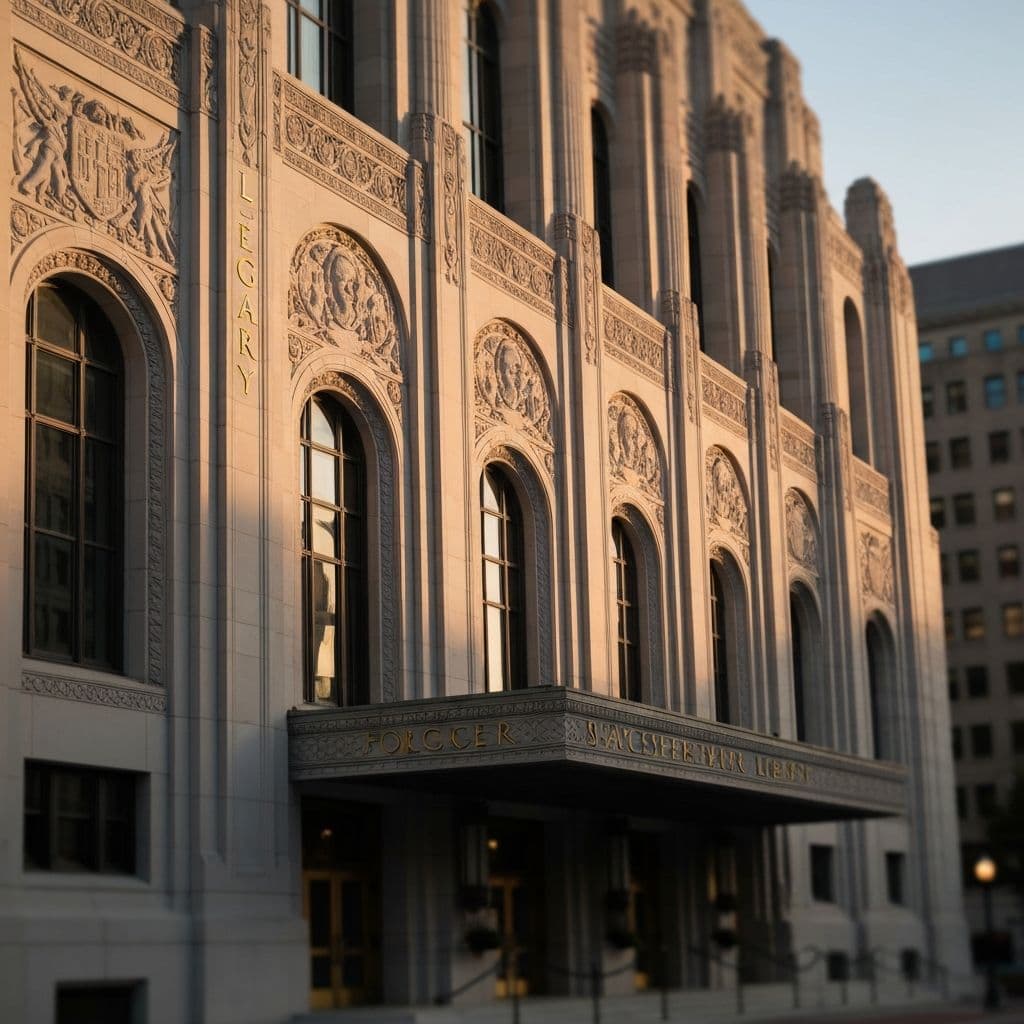
Construction in an active facility is not simply regular construction with some added inconvenience. It introduces a set of constraints that must be addressed through specialized planning, detailed phasing, and disciplined execution. Projects like the Folger Shakespeare Library renovation demonstrate both the necessity and the complexity of maintaining operations during major construction.
Why Active Facility Construction Fails
When construction in active facilities goes wrong, the root cause is almost always inadequate planning. The most common failures include:
Unrealistic phasing plans that look logical on paper but fail to account for the actual operational requirements of the facility. A phasing plan that requires a hospital to close its emergency department, even temporarily, is not a plan — it is a fantasy.
Insufficient separation between construction and operations. Dust, noise, vibration, and construction traffic that intrude on occupied areas create safety hazards, operational disruption, and stakeholder complaints. Containment systems must be designed, installed, and maintained to a standard that goes well beyond what typical construction projects require.
Utility disruption without adequate planning. Every occupied building depends on continuous utility service — power, water, HVAC, telecommunications, fire protection. Construction that requires utility interruptions must be planned with extreme care, executed during periods of minimal impact, and backed up with temporary systems where necessary.
Communication failures between construction and operations teams. When the construction team and the facility operations team do not communicate effectively, conflicts emerge daily. Deliveries block building access. Noise disrupts critical activities. Construction workers enter secure areas without authorization. These incidents erode institutional tolerance for the project and can lead to demands for accelerated schedules or scope reductions that compromise the outcome.
Planning for Operational Continuity
Effective planning for construction in active facilities begins with a comprehensive understanding of how the facility operates. Before any design work begins, the project team must document:
- Operational hours and peak periods — when is the facility most active, and when are windows of reduced activity available for disruptive work?
- Critical functions and dependencies — which operations cannot tolerate any interruption, and what are their specific environmental and utility requirements?
- Traffic patterns — how do occupants, visitors, and service providers move through the building, and how will construction alter these patterns?
- Security requirements — what security protocols must be maintained during construction, and how will construction access be controlled?
- Seasonal and cyclical variations — how do facility operations change throughout the year, and how should the construction schedule align with these changes?
This operational analysis becomes a design constraint — as important as building codes or structural requirements. The construction management approach must be built around these constraints, not imposed on top of them.
Phasing as a Design Discipline
In active facility construction, phasing is not a scheduling exercise — it is a design discipline. Each phase must be planned as a self-contained scope of work that:
- Can be physically separated from occupied areas with appropriate containment
- Has independent utility connections or provisions for maintaining service to occupied areas
- Includes complete life safety provisions — fire protection, egress, emergency systems — for both the construction zone and the occupied areas
- Addresses the relocation of any functions displaced by the construction phase
- Has a defined start condition and completion condition that are verifiable
The number of phases directly affects project cost and duration. More phases mean more mobilization and demobilization, more temporary separations, more utility connections and disconnections. Fewer phases mean larger areas out of service for longer periods. Finding the right balance requires close collaboration between the project team and the facility's operational leadership.
Containment and Environmental Separation
The physical separation between construction and occupied areas must be engineered, not improvised. Depending on the facility type and the sensitivity of its operations, containment systems may need to provide:
- Acoustic isolation — rated wall and ceiling assemblies that reduce construction noise to acceptable levels in occupied areas
- Air quality separation — negative air pressure in construction zones, sealed barriers, and HEPA filtration to prevent dust migration
- Vibration isolation — monitoring systems and construction method restrictions to keep vibration below thresholds that could affect sensitive equipment, collections, or operations
- Visual screening — maintaining an appropriate appearance for public-facing facilities during construction
For cultural institutions and educational facilities, these containment requirements may be significantly more stringent than for commercial environments. The cost of containment must be included in the project budget from the outset — it is not an optional add-on.
Communication and Coordination Protocols
The interface between the construction team and the facility operations team requires a structured communication protocol. Ad hoc communication leads to missed messages, conflicting instructions, and operational surprises.
Effective protocols include:
- Daily coordination meetings between the construction superintendent and the facility operations contact
- Weekly look-ahead schedules shared with all affected departments, highlighting upcoming disruptive activities
- Advance notification requirements for utility shutdowns, loud work, and area closures — typically 48 to 72 hours minimum
- Emergency communication channels for immediate issues that cannot wait for scheduled meetings
- Incident reporting procedures for construction impacts on facility operations
These protocols should be established during planning and incorporated into the construction contract as contractual obligations, not voluntary guidelines.
Special Considerations by Facility Type
Different facility types present distinct challenges for occupied construction:
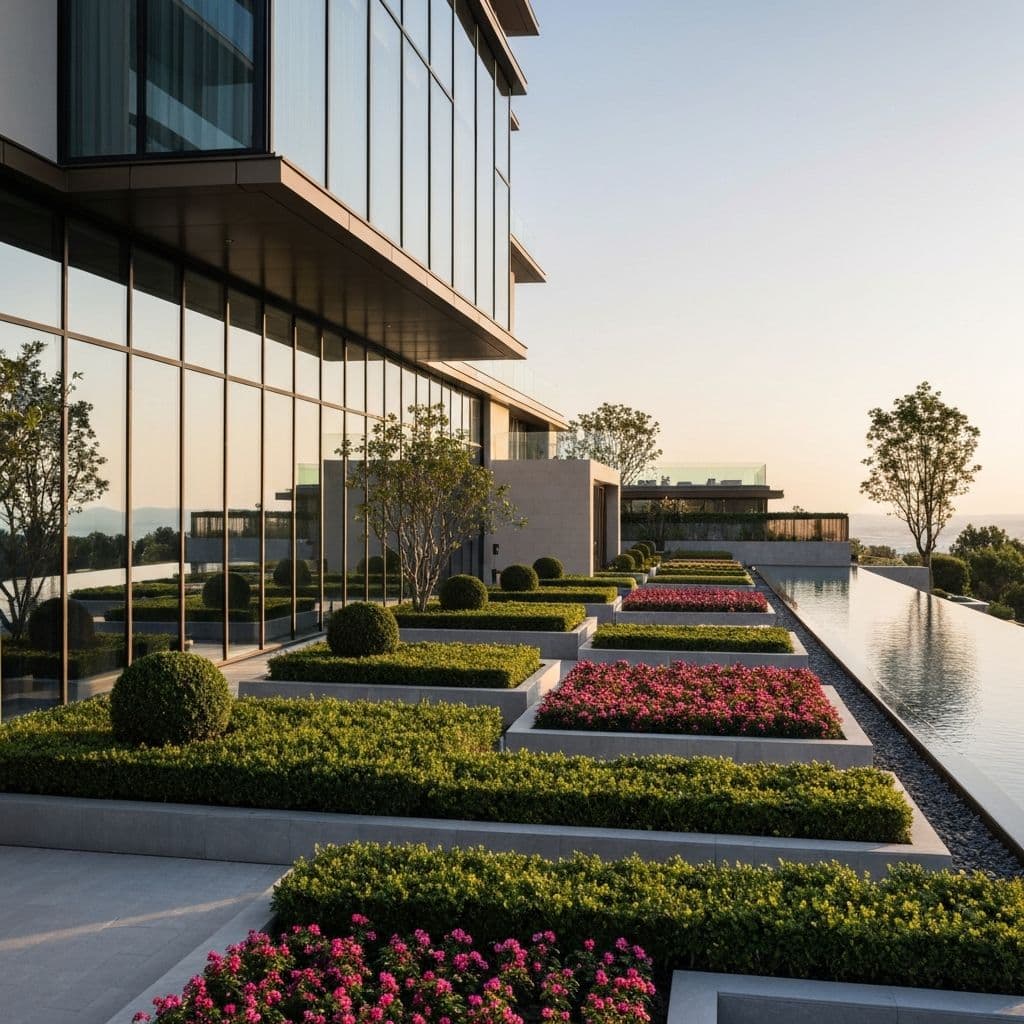
Hospitality properties require construction to be invisible to guests. Noise, dust, and visual disruption in guest-facing areas are unacceptable. Construction hours are often restricted to late night, and access is typically through service corridors. Hospitality and tourism renovation projects require contractors experienced in hotel-environment construction.
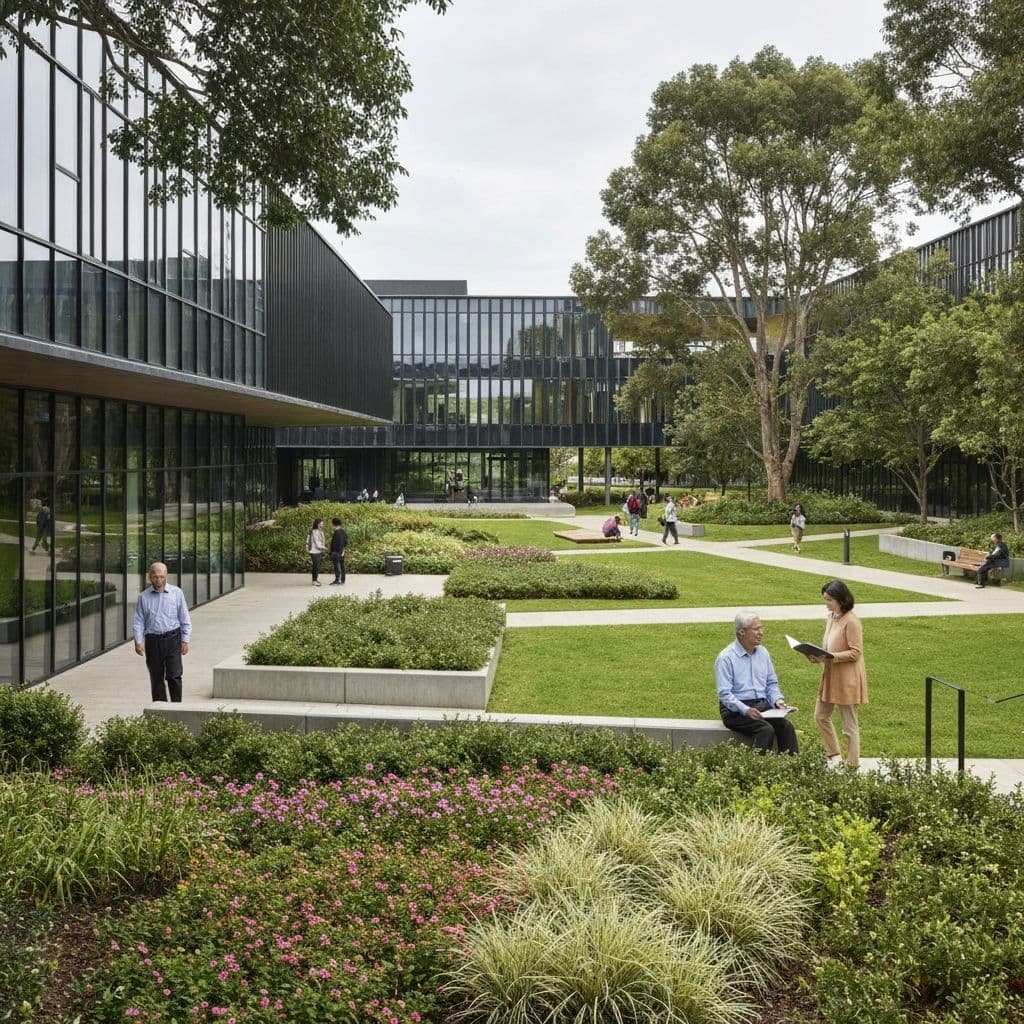
Educational facilities are governed by the academic calendar. Major disruptive work is concentrated during summer and winter breaks. Work during the academic year must be planned around class schedules, exam periods, and special events.
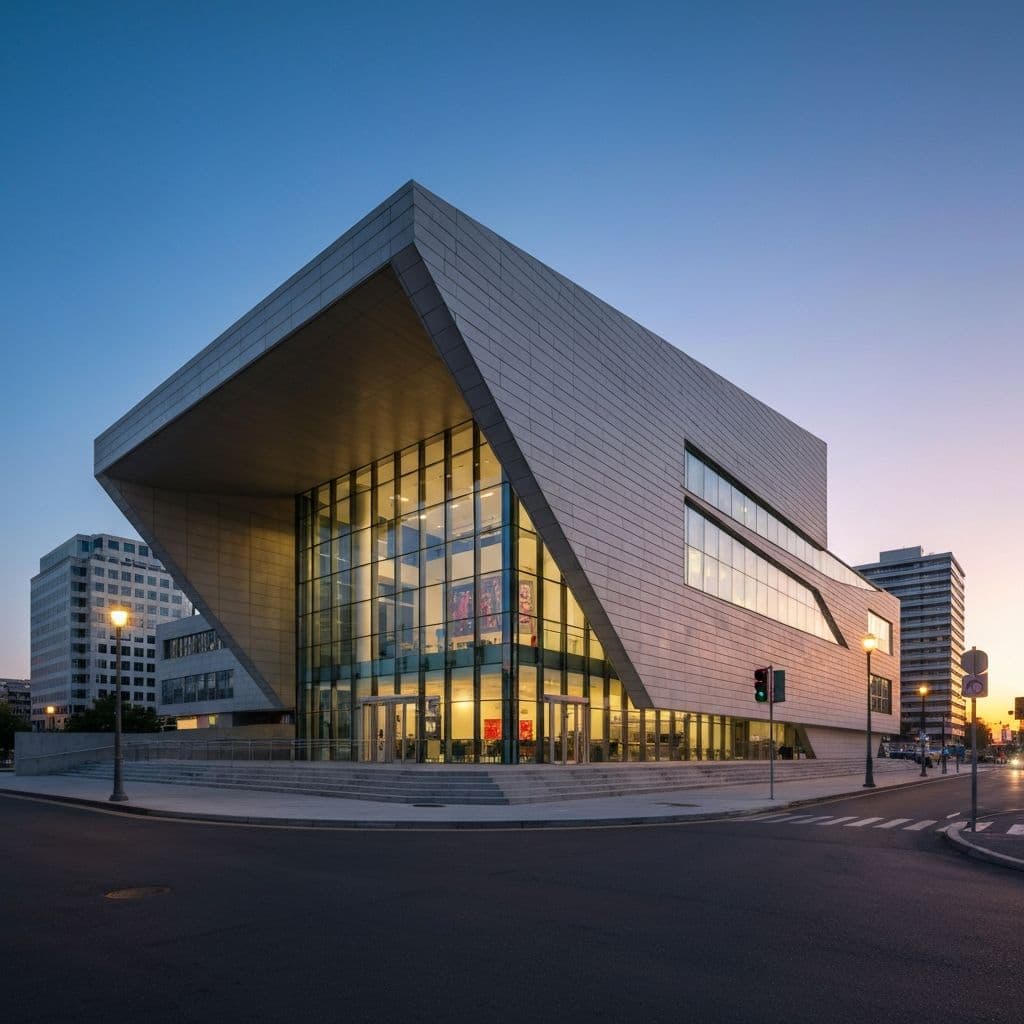
Cultural institutions must protect collections while maintaining public access. Environmental controls, security, and visitor experience are non-negotiable constraints.
Each facility type demands a tailored approach that reflects its specific operational priorities and tolerance for disruption.
Conclusion
Construction in active facilities is a discipline that requires specialized planning, experienced project teams, and rigorous coordination between construction and operations. The institutions that manage this challenge successfully are those that treat operational continuity as a fundamental project requirement — not an inconvenience to be managed reactively. For organizations planning a renovation or expansion in an occupied facility, investing in thorough upfront planning is the single most effective way to protect both the project outcome and ongoing operations.