The Coordination Challenge
Mixed-use developments are fundamentally coordination projects. They combine multiple building types, tenant requirements, infrastructure systems, and delivery timelines into a single development — each with different stakeholders, codes, and success criteria.
Key Coordination Dimensions
Programming Alignment
Mixed-use districts must balance competing programming needs:
- Retail tenants need visibility and foot traffic
- Residential components need privacy and quiet
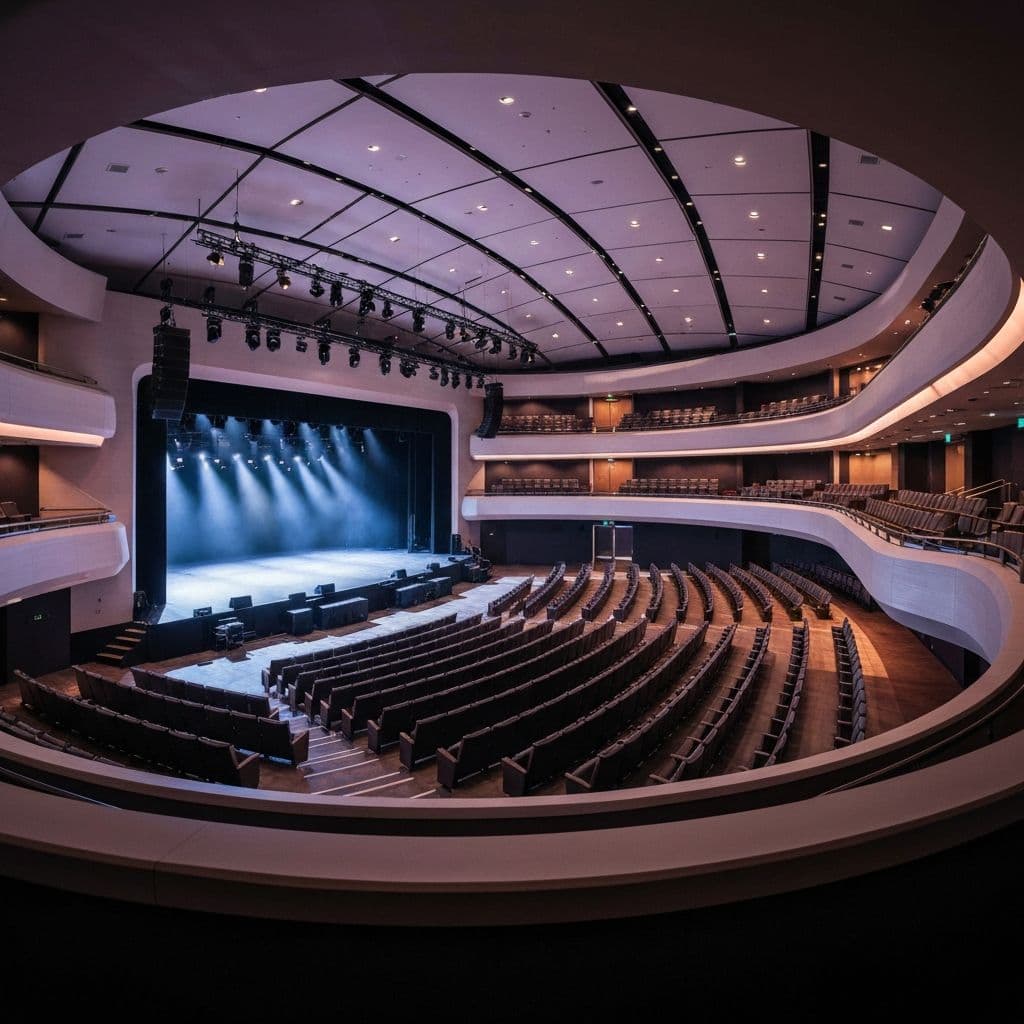
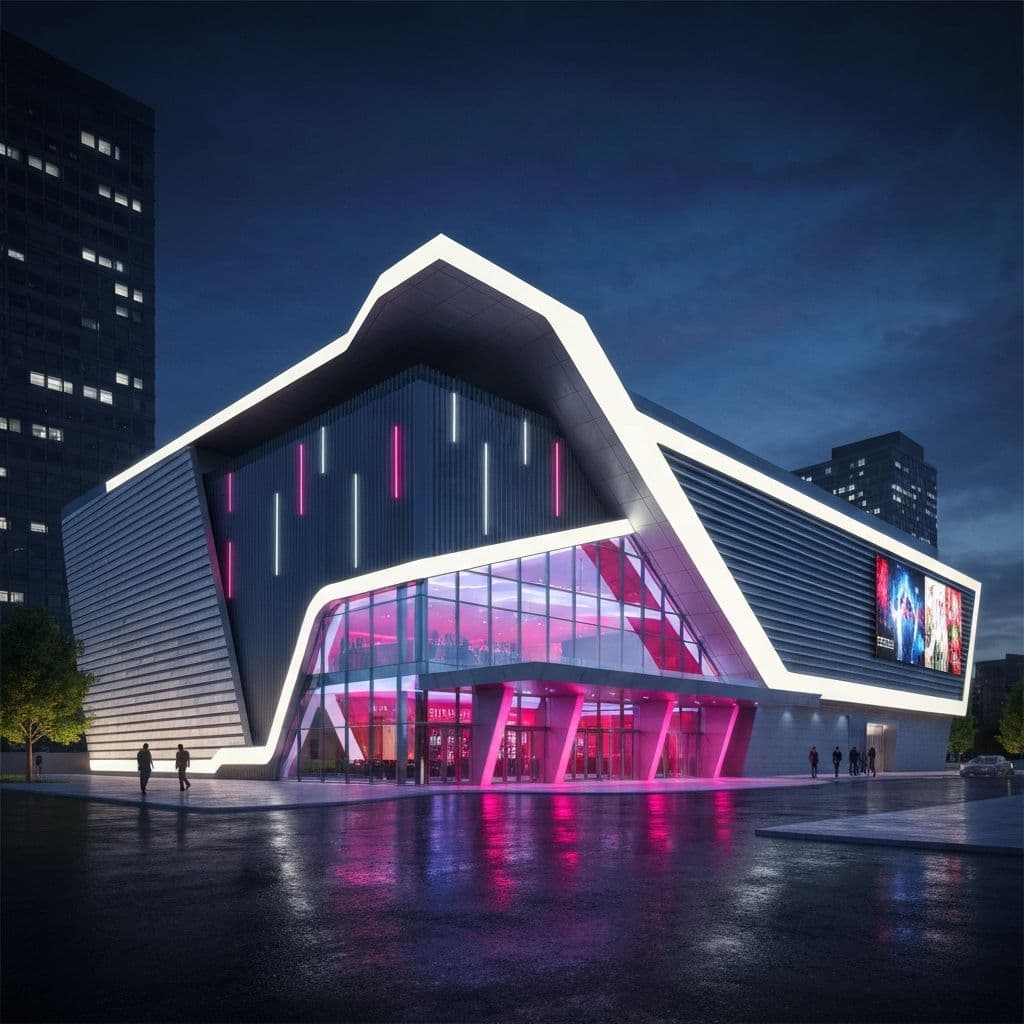
- Entertainment venues need load-in access and noise mitigation
- Hospitality anchors need arrival sequences and service logistics
Infrastructure Integration
Shared infrastructure systems require early and continuous coordination:
- Utility sizing for diverse load profiles
- Parking structures serving multiple uses with different peak demand patterns
- Stormwater and site drainage across large development footprints
- Shared amenity spaces requiring maintenance agreements
Phased Delivery
Most mixed-use developments deliver in phases. Effective phasing requires:
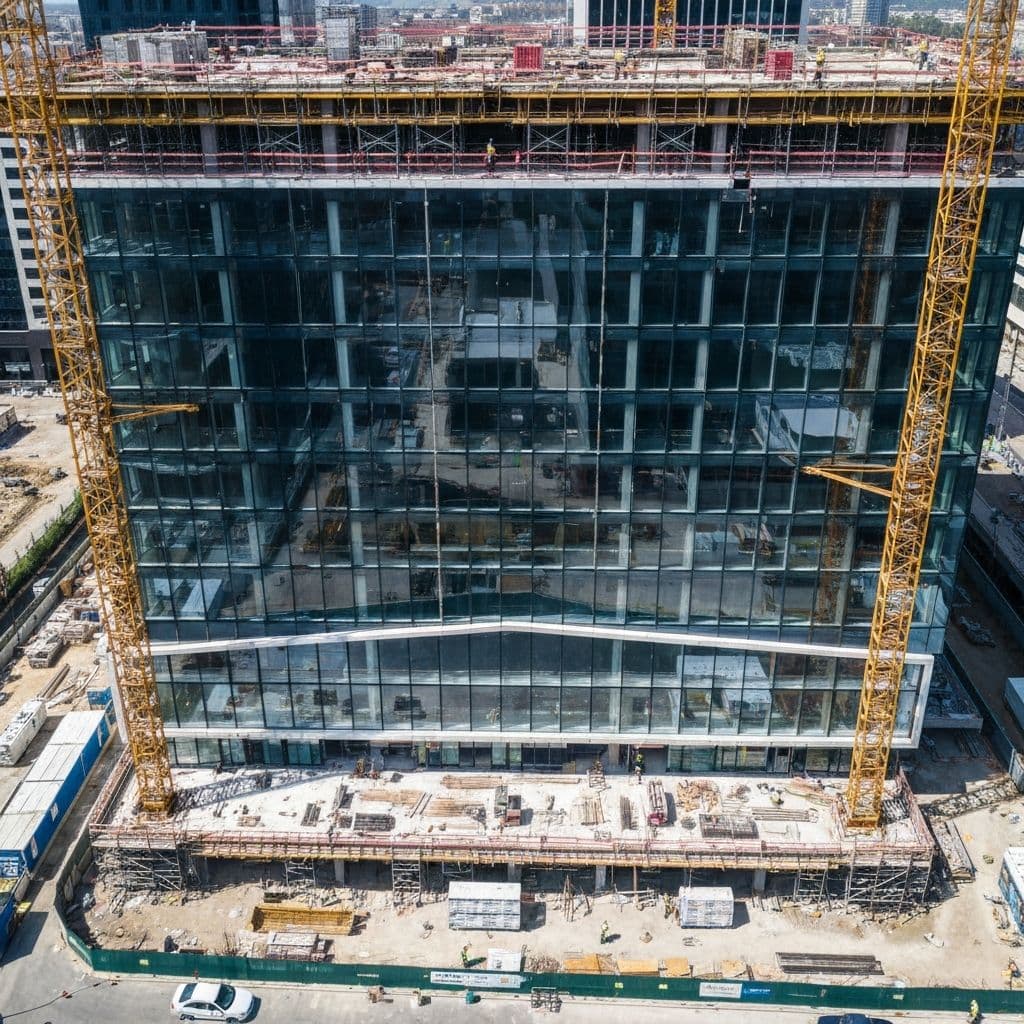
- Clear construction sequencing that minimizes disruption to operating components
- Temporary infrastructure strategies during intermediate phases
- Tenant coordination across overlapping construction and fit-out schedules
Stakeholder Management
Mixed-use projects typically involve:
- Developer leadership and investment partners
- Municipal planning and permitting authorities
- Anchor tenants with approval rights
- Community stakeholders and adjacent property owners
- Multiple design and engineering teams working in parallel
Best Practices
- Establish a master development schedule — not just a construction schedule
- Define stakeholder decision frameworks early — who approves what, and when
- Create shared design standards across the development to maintain coherence
- Plan infrastructure for full buildout even when delivering in phases
Conclusion
The most successful mixed-use developments are those where coordination is treated as a primary discipline, not an afterthought. Experienced project leadership provides the structured oversight necessary to align diverse stakeholders and deliver complex, multi-component developments.