
The Stakeholder Challenge in Institutional Construction
Every construction project has stakeholders. But institutional construction projects — for museums, universities, government agencies, and cultural organizations — have stakeholder environments of a complexity that commercial projects rarely encounter. A corporate office renovation may need to satisfy the CEO, the CFO, and the facilities director. A museum renovation may need to satisfy the board of trustees, the director, curatorial staff, conservation specialists, exhibition designers, operations teams, donors, government regulators, historic preservation agencies, the visiting public, and the surrounding community.
Each stakeholder group brings legitimate interests, specific expertise, and — often — strong opinions about how the project should proceed. Managing this environment is not a soft skill or a secondary concern. It is a core project management discipline that, when executed well, prevents the most common causes of project failure.
How Stakeholder Misalignment Creates Project Problems
The consequences of poor stakeholder coordination are concrete and measurable:
Scope changes. When stakeholders are not aligned on project scope before design begins, their competing priorities surface as design revisions, added requirements, and scope expansions throughout the project. Each change carries cost and schedule impact. A single late-stage scope change from a board member or donor can add weeks to the schedule and hundreds of thousands of dollars to the budget.
Decision delays. When decision-making authority is unclear, decisions stall. Design teams wait for direction. Contractors wait for approvals. Each week of delay during construction can cost tens of thousands of dollars in general conditions alone — money that is spent without advancing the project.
Rework. When stakeholders review and reject work that has already been completed — because they were not consulted at the appropriate time — the project pays for the work twice. This is one of the most wasteful outcomes in construction, and it is almost always the result of communication failures, not design failures.
Institutional conflict. Construction projects create stress within organizations. When that stress is compounded by stakeholder misalignment — departments competing for space, donors questioning design decisions, board members second-guessing costs — the resulting conflict can damage institutional relationships that extend well beyond the project itself.
The Stakeholder Coordination Framework
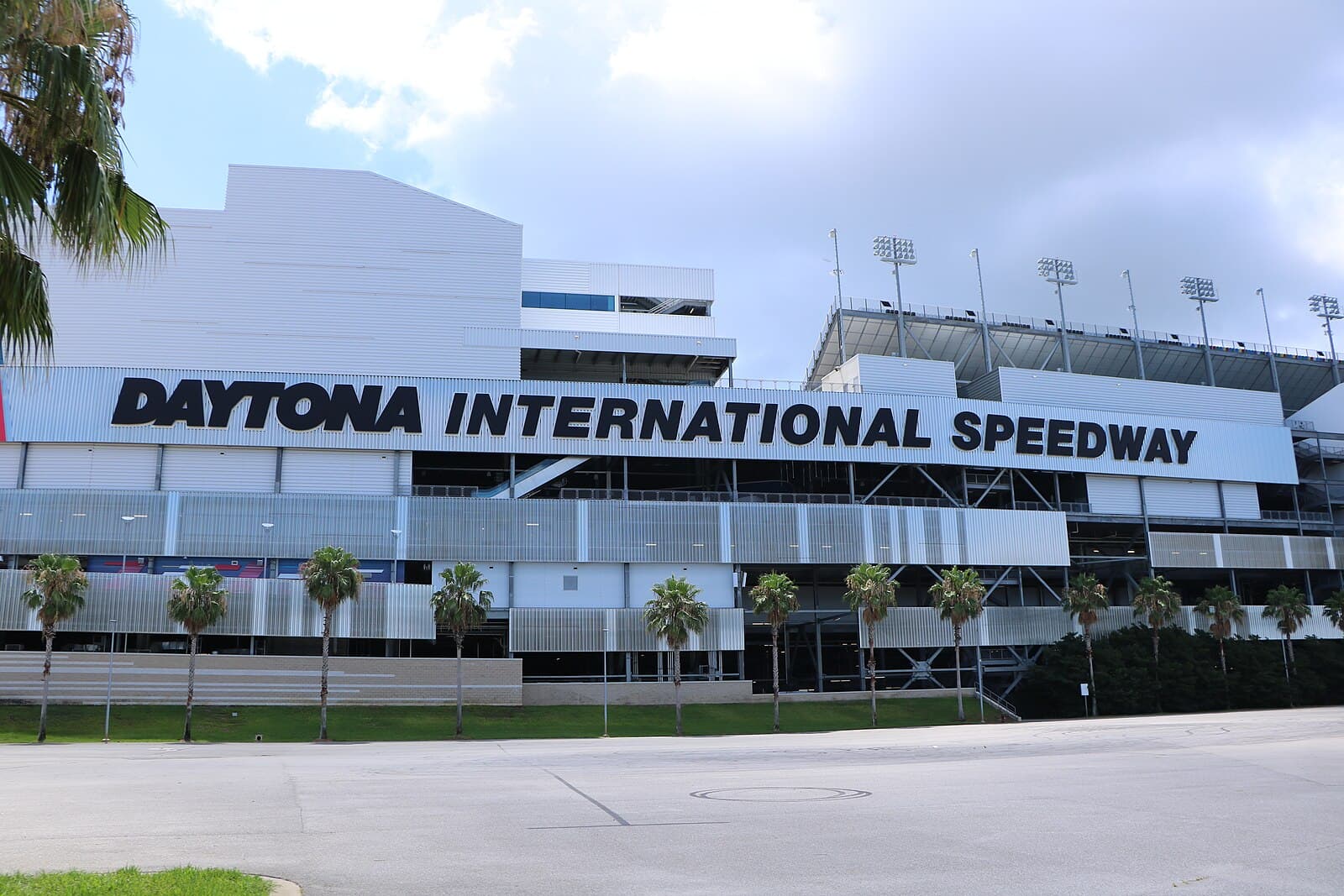
Effective stakeholder coordination is not about holding more meetings or sending more emails. It is about establishing a structured framework that ensures the right people are involved in the right decisions at the right time. Our experience on complex projects like the Museum of the Bible and ONE DAYTONA has shown that this framework must address four dimensions.
Identification and Mapping
Before a project begins, the project leadership team must identify all stakeholders and understand their interests, influence, and information needs. This stakeholder map should document:
- Who has formal decision-making authority and over what scope
- Who has informal influence that can affect project decisions
- Who needs information to support the project but does not make decisions
- Who may be affected by the project and could become a source of opposition if not engaged
This mapping exercise reveals the stakeholder landscape and informs the communication and engagement strategy that follows.
Governance Structure
The governance structure defines how decisions are made. For institutional projects, this typically involves several levels:
- Project team — day-to-day decisions about design and construction execution
- Project steering committee — strategic decisions about scope, budget, and schedule
- Executive or board oversight — milestone approvals and major financial decisions
- Regulatory authorities — code compliance, preservation review, and permitting decisions
Each level must have a clearly defined scope of authority. Strategic planning that establishes this governance structure during the project's earliest phase prevents the authority confusion that causes delays later.
The governance structure should also define escalation pathways. When disagreements arise — and they will — there must be a clear process for resolving them without stalling the project.
Communication Protocols
Different stakeholder groups need different types of communication at different frequencies. A board committee may need quarterly progress reports with financial summaries. The operations team may need weekly coordination meetings with the construction superintendent. Donor representatives may need periodic design presentations. Regulatory agencies may need formal submissions at defined milestones.
The communication plan should specify:
- What information each stakeholder group receives
- How frequently they receive it
- In what format it is delivered
- Who is responsible for preparing and delivering it
- How feedback and questions are channeled back to the project team
Effective communication is proactive, not reactive. Stakeholders who learn about problems from the project team before they hear about them through other channels are far more likely to be supportive and constructive in their response.
Engagement Timing
Perhaps the most critical aspect of stakeholder coordination is timing — engaging each stakeholder group at the point in the project lifecycle when their input can be most effectively incorporated. Early engagement captures requirements and preferences. Late engagement produces demands for changes to work already completed.
Curatorial staff should be engaged during programming, not after gallery layouts are fixed. Operations teams should review mechanical and maintenance access during design, not during commissioning. Donors should be consulted about naming and recognition during schematic design, not after construction documents are issued.
Contract administration processes should also formalize stakeholder engagement timing, ensuring that required reviews and approvals are built into the project schedule as defined milestones with realistic durations.
Common Stakeholder Coordination Mistakes
Several recurring mistakes undermine stakeholder coordination in institutional construction:
Treating all stakeholders equally. Not all stakeholders have equal authority or equal impact on the project. The coordination strategy must be differentiated — investing the most effort in the stakeholders with the greatest influence and the highest risk of disruptive intervention.
Confusing information with engagement. Sending monthly status reports is information. Seeking input, discussing tradeoffs, and making decisions collaboratively is engagement. Stakeholders who receive reports but are never engaged feel excluded and are more likely to intervene disruptively.
Avoiding difficult conversations. When the project faces budget challenges, schedule risks, or scope conflicts, the instinct is to delay communicating bad news. This always makes the situation worse. Stakeholders who are informed early about problems have time to contribute to solutions. Stakeholders who are surprised by problems demand accountability.
Underestimating community stakeholders. For civic and mixed-use projects, community stakeholders — neighbors, advocacy groups, local officials — can significantly impact project approvals, schedules, and costs. Community engagement must be planned and managed with the same rigor as internal stakeholder coordination.
The Role of the Owner's Representative
In complex stakeholder environments, the owner's representative serves as the coordination hub — the single point of contact that manages information flow, facilitates decision-making, and ensures that stakeholder engagement is proactive rather than reactive. This role requires not only project management expertise but also political awareness, communication skills, and the judgment to know when to facilitate and when to escalate.
The owner's representative translates between stakeholder groups that speak different languages. They help curatorial staff understand construction constraints. They help construction teams understand institutional priorities. They help board members understand technical tradeoffs. This translation function is invisible when it works well and painfully obvious when it is absent.
Conclusion
Stakeholder coordination is not a peripheral activity in institutional construction — it is the activity that determines whether the project's technical capabilities are deployed effectively or wasted on rework, delays, and disputes. Organizations that invest in structured stakeholder coordination during the planning phase build the foundation for project success. Those that treat stakeholder management as an afterthought pay for it throughout delivery — in cost overruns, schedule delays, and institutional friction that can take years to repair.
For institutions preparing for complex capital projects, our team provides the experienced project leadership needed to navigate even the most challenging stakeholder environments.