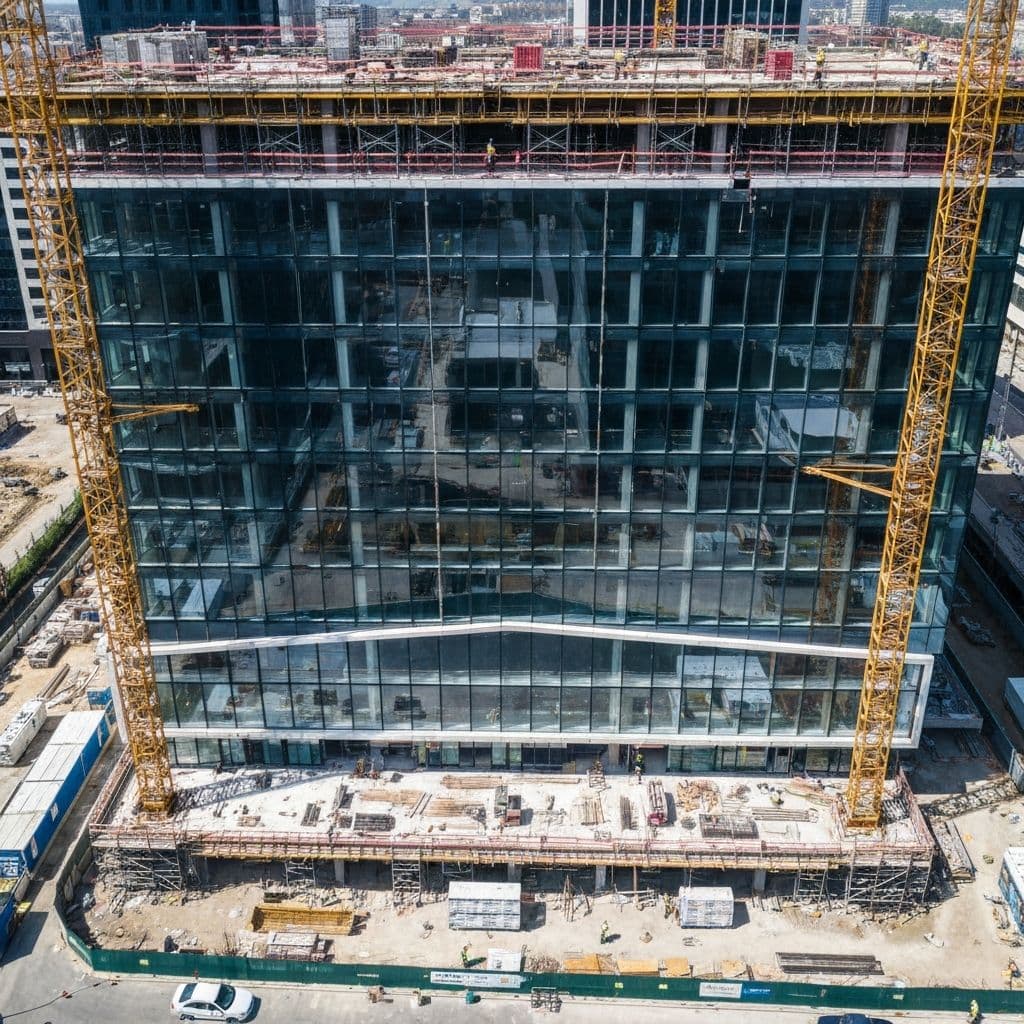
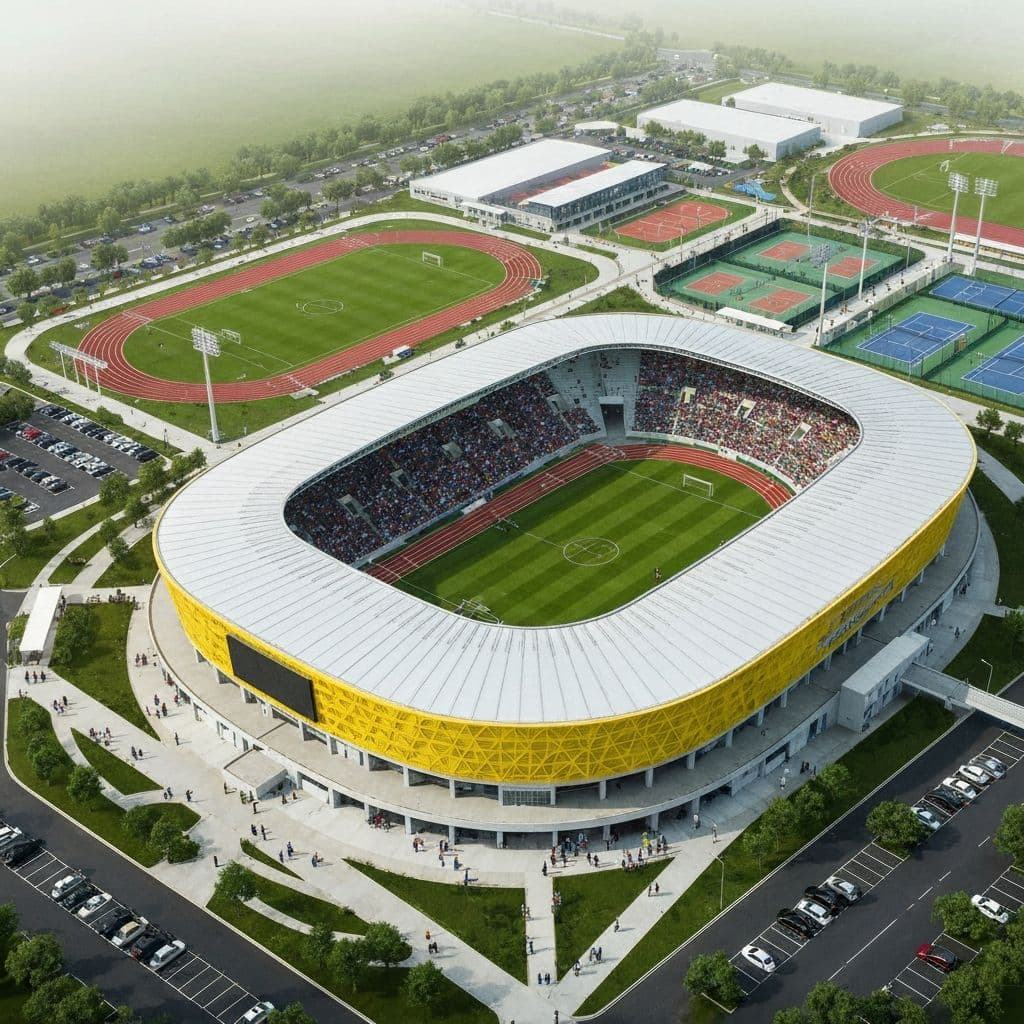
Replacing a playing surface reads as a procurement: select a system, award to an installer, schedule it for the offseason. It is one of the least forgiving projects an athletics department runs.
The deadline is fixed and public. The work is weather-dependent. And the condition of what sits under the surface — the base, the drainage, the subgrade — is usually unknown until the old surface comes off, at which point there is no schedule left to absorb a surprise.
Investigate Before You Scope
The single highest-value step is investigating existing conditions before the project is defined. That means understanding the base material and its condition, the drainage system and whether it functions, subgrade stability, and the field's actual grades and elevations.
Fields fail from below far more often than from above. A surface installed over a compromised base or a clogged drainage system will underperform and wear unevenly regardless of the quality of the system installed on top of it, and the warranty will frequently not cover it.
Investigation costs relatively little and it converts the largest unknown into either a priced scope item or a documented non-issue. Without it, the owner is bidding a project whose most consequential variable is unmeasured — and change orders discovered after demolition arrive with no time to negotiate them properly.
The Deadline Governs Everything
Most projects have some tolerance. This one has a first home event on a published date, with ticketing, broadcast, and travel commitments already made.
That reality should drive several decisions:
- Award early enough for materials. Synthetic systems, infill, and specialty base materials have manufacturing and delivery lead times. Award timing should be set backward from installation, with the lead times confirmed rather than assumed.
- Build in weather float. Base work and many installation steps are weather-dependent. A schedule with no allowance for lost days is a schedule that assumes a dry season.
- Define the contingency plan. If the surface is not ready, what happens? Playing elsewhere, delaying, or partial use all have costs and lead times of their own. Deciding this under pressure in week eleven is worse than deciding it in planning.
- Know the decision date. There is a point after which the contingency plan can no longer be executed. That date should be identified at the start and treated as a milestone.
Specify Performance, Then Verify It
Modern playing surfaces are specified against measurable performance characteristics — shock absorption, energy restitution, traction, and infill depth among them, depending on the system and the governing body involved.
Two owner-side requirements follow. First, the specification should state the performance criteria and the applicable standards, rather than naming a product and assuming the rest. Second, independent field testing after installation should verify those criteria before acceptance, and the contract should say who pays for retesting if the first test fails.
Testing performed only by the installer is the same self-verification problem that appears throughout construction. Independent verification is inexpensive relative to a surface that does not meet specification and is already installed.
Warranty Terms Deserve Attention
Surface warranties frequently contain conditions the owner must satisfy: specified maintenance activities, documented grooming, usage limits, and sometimes manufacturer-approved maintenance equipment.
An institution that does not read these at award may void coverage through ordinary operations. The maintenance obligations should be handed to the grounds staff who will actually perform them, with a documented schedule, before the first event — and the cost of that maintenance belongs in the operating budget from year one.
It is also worth confirming what the warranty actually covers. Surface warranties commonly exclude base and drainage failure, which is precisely the failure mode that the pre-project investigation was meant to prevent.
Coordinate the Rest of the Work
Field projects rarely occur alone. Goal posts, netting, irrigation, field lighting, markings and logos, sideline infrastructure, and drainage connections all interact with the surface work and often involve separate vendors.
Someone has to own the coordination between them. Where that responsibility is unassigned, it defaults to the owner, usually during the week when everyone is on site at once.
The same sequencing discipline that governs any offseason venue project applies: build the schedule with every vendor's work on it, identify the interfaces, and hold a single party accountable for the whole.